7 Best Sugar Substitute for Weight Loss Options in 2025
Trying to cut down on sugar for weight loss often feels like a battle against cravings. You know that reducing sugar intake is a cornerstone of shedding pounds, but the desire for something sweet can derail even the most determined efforts. This is where sugar substitutes step in, offering the sweetness you crave without the calories and blood sugar spikes that hinder your progress. However, not all sweeteners are created equal, and choosing the wrong one can lead to digestive issues, unsatisfying flavors, or even stalled results.
Finding the best sugar substitute for weight loss is about more than just cutting calories. It’s about understanding how different options affect your body, from your gut health to your insulin response. A smart swap can help manage cravings, stabilize energy levels, and make your weight loss journey feel sustainable rather than restrictive. While choosing the right sugar substitute is a key component, it's often part of a larger dietary strategy. To understand more about holistic approaches, consider these scientifically-backed effective diets for weight loss.
This guide cuts through the confusion. We will break down the top seven sugar substitutes, providing a clear, evidence-backed look at each one. You will learn:
- How each substitute impacts your calorie intake and glycemic index.
- The specific pros and cons for weight management.
- Practical ways to use them in your daily coffee, baking, and cooking.
- Actionable tips for making the switch seamless, including how to integrate them with habit-tracking tools like the StopSugar app.
Our goal is to give you the specific information you need to select the right sweetener for your goals, taste preferences, and lifestyle, turning your sweet tooth into an asset on your path to a healthier you.
1. Stevia
Stevia is a natural, zero-calorie sweetener extracted from the leaves of the Stevia rebaudiana plant. This plant, native to South America, has been used for centuries as a natural sweetener. Because it is 200-300 times sweeter than regular table sugar, you only need a tiny amount to achieve the same level of sweetness, making it an excellent tool for reducing overall calorie intake.

The active compounds, called steviol glycosides, are not absorbed in the upper gastrointestinal tract. This means they pass through without being converted into calories, making stevia a true zero-calorie option. This process is key to why it's considered one of the best sugar substitutes for weight loss; it satisfies a sweet tooth without contributing to your daily energy consumption.
Calorie & Glycemic Impact
- Calories: 0
- Glycemic Index (GI): 0
Stevia does not raise blood glucose or insulin levels. This stability is crucial for weight management as it helps prevent the energy crashes and subsequent cravings often triggered by sugar-induced blood sugar spikes.
Why Stevia is a Great Choice for Weight Loss
Stevia's primary benefit for weight loss is its ability to reduce calorie consumption without sacrificing sweetness. By replacing high-calorie sugar in drinks, snacks, and meals, you can create a significant calorie deficit over time, which is fundamental to losing weight.
Key Insight: A 2017 study in the journal Appetite found that when participants consumed stevia before a meal, they did not compensate by eating more food later. They reported similar levels of fullness as those who consumed regular sugar, suggesting stevia can help control appetite and calorie intake effectively.
Actionable Tips for Using Stevia
Ready to swap sugar for stevia? Here’s how to do it right:
- Start Small and Adjust: Due to its intense sweetness, begin with a very small amount. A common complaint is a slightly bitter aftertaste, which often results from using too much.
- Choose the Right Form:
- Liquid Stevia: Best for coffee, tea, smoothies, and other beverages. It dissolves instantly and is easy to measure precisely.
- Powdered/Granulated Stevia: Ideal for baking, but look for blends specifically formulated for this purpose (often mixed with erythritol) to achieve better texture and volume.
- Read the Labels: Many stevia products (like Truvia or Pure Via) are blends that include other sugar alcohols or fillers. Be aware of these additional ingredients, especially if you have digestive sensitivities.
- Track Your Swaps with an App: Using an app like StopSugar can help you log your sugar swaps and monitor your progress. Set a goal in the app to replace one sugary drink with a stevia-sweetened alternative each day and track how it impacts your overall sugar consumption.
By making simple, consistent swaps, you can harness the power of this natural sweetener to support your health goals. For a deeper dive into how different sugar alternatives stack up, you can explore more options for weight loss.
2. Erythritol
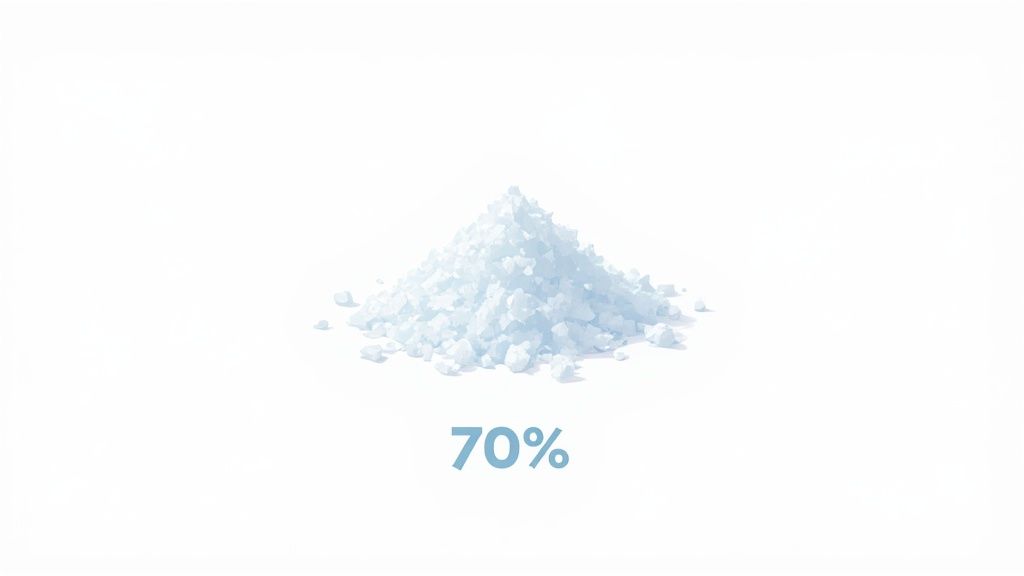
Erythritol is a sugar alcohol, also known as a polyol, that occurs naturally in some fruits like grapes and pears. It has about 70% of the sweetness of sugar but contains almost no calories, making it a popular choice for weight management. Its unique chemical structure allows it to provide sweetness without being metabolized by the body for energy.
Unlike other sugar alcohols, over 90% of erythritol is absorbed into the bloodstream before it reaches the large intestine and is then excreted in the urine unchanged. This absorption process is why it doesn't cause the significant digestive issues often associated with other polyols, while still delivering a satisfyingly sweet taste. Because it isn't broken down for energy, it’s an excellent sugar substitute for weight loss.
Calorie & Glycemic Impact
- Calories: 0.24 calories per gram (negligible)
- Glycemic Index (GI): 0
Erythritol has no effect on blood sugar or insulin levels. This makes it a fantastic option for anyone looking to manage their weight, as it avoids the sharp blood glucose spikes that can lead to increased hunger and fat storage.
Why Erythritol is a Great Choice for Weight Loss
The primary advantage of erythritol for weight loss is its bulk. Since it has a similar texture and volume to sugar, it can be substituted in a 1:1 ratio in many recipes, making it easy to cut calories without drastically changing your favorite dishes. This allows you to enjoy sweetened foods and drinks while maintaining the calorie deficit necessary for weight loss.
Key Insight: A 2020 review published in Foods highlighted that erythritol is well-tolerated and non-caloric. The review concluded that its ability to replace sugar's bulk and sweetness without affecting blood glucose makes it a valuable tool for reducing energy intake and supporting weight management goals.
Actionable Tips for Using Erythritol
Ready to incorporate erythritol into your diet? Here’s how to do it effectively:
- Combine It: Erythritol is often blended with more intense sweeteners like stevia or monk fruit (as seen in brands like Lakanto or Swerve). This combination provides a more sugar-like sweetness and masks any potential aftertaste from the other sweeteners.
- Be Aware of the Cooling Effect: Some people notice a mild "cooling" sensation on the tongue, similar to mint. This is normal and can be minimized by combining it with a small amount of fat, like in keto desserts or creamy beverages.
- Start Gradually: While it's better tolerated than other sugar alcohols, consuming very large amounts can still lead to digestive discomfort for some. Introduce it into your diet slowly to see how your body responds.
- Log Your Sugar Swaps in an App: Use a tool like StopSugar to track your substitutions. Start by setting a simple goal: swap the sugar in your morning coffee for erythritol for one week. The app can help you visualize the calories saved and reinforce your new, healthier habit.
3. Monk Fruit Sweetener
Monk fruit sweetener is another natural, zero-calorie option derived from the juice of the luo han guo fruit. Native to Southern China, this small, green gourd has been used in traditional Eastern medicine for centuries. Its intense sweetness comes from antioxidant compounds called mogrosides, which are about 150-200 times sweeter than regular sugar.
The mogrosides are processed by the body differently than simple sugars. They are not absorbed in the upper gastrointestinal tract, meaning they contribute no calories or carbohydrates. This makes monk fruit sweetener a fantastic sugar substitute for weight loss, as it allows you to sweeten foods and drinks without adding to your daily calorie count.
Calorie & Glycemic Impact
- Calories: 0
- Glycemic Index (GI): 0
Like stevia, monk fruit sweetener does not affect blood glucose or insulin levels. This makes it a safe choice for individuals with diabetes and a powerful tool for anyone looking to manage their weight by avoiding the blood sugar rollercoaster that drives hunger and cravings.
Why Monk Fruit Sweetener is a Great Choice for Weight Loss
Monk fruit's main advantage for weight loss is its ability to provide sweetness with zero caloric consequences. This direct calorie reduction can lead to a significant energy deficit over time, which is essential for losing weight. Many users prefer its flavor profile over stevia, describing it as having a cleaner taste with less potential for a bitter aftertaste.
Key Insight: A 2016 review published in Future Science OA highlighted the non-caloric and non-glycemic properties of mogrosides. It noted their potential role in managing obesity and diabetes, confirming that replacing sugar with monk fruit can be an effective strategy for reducing overall energy intake without sacrificing taste.
Actionable Tips for Using Monk Fruit Sweetener
Thinking about making the switch? Here’s how to incorporate monk fruit into your routine:
- Check the Ingredients: Pure monk fruit extract is very potent and expensive. Most commercial products, like Lakanto, are blends of monk fruit extract and erythritol. This combination creates a 1:1 sugar replacement ratio perfect for baking and general use but be aware of the added sugar alcohol if you are sensitive.
- Choose the Right Form:
- Liquid Drops: Excellent for sweetening coffee, tea, yogurt, and oatmeal. They mix easily and offer precise sweetness control.
- Granulated Blends: Ideal for baking cookies, cakes, and muffins. The erythritol in these blends helps provide the bulk and texture that sugar normally would.
- Start with Drinks: A great way to test your taste preference is by adding a few drops to a cold beverage like iced tea or a smoothie. Its clean sweetness often shines in these applications.
- Track Your Sugar Savings: Use an app like StopSugar to monitor how replacing sugar with monk fruit impacts your daily goals. For instance, log your morning coffee swap in the app to visualize your progress and stay motivated. Seeing the sugar grams and calories you’ve saved can be a powerful reinforcement for your new habit.
4. Allulose
Allulose is a rare type of sugar, known as a monosaccharide, that is naturally found in small amounts in foods like wheat, figs, and raisins. What makes it a standout choice is that it tastes and behaves almost exactly like regular table sugar but provides about 90% fewer calories. Because of its sugar-like properties, it has become a favorite in the keto and low-carb communities, especially for baking.
The human body absorbs allulose but does not metabolize it, meaning it's excreted largely unchanged and contributes virtually no calories. This unique metabolic pathway allows it to provide the satisfying taste and texture of sugar without impacting energy intake, making it an effective sugar substitute for weight loss.
Calorie & Glycemic Impact
- Calories: ~0.4 per gram (negligible)
- Glycemic Index (GI): 0
Allulose has no effect on blood glucose or insulin levels. This characteristic is vital for weight management, as it helps you avoid the blood sugar rollercoaster that can lead to cravings and overeating.
Why Allulose is a Great Choice for Weight Loss
Allulose’s biggest advantage for weight loss is its remarkable similarity to sugar in both taste and function, minus the calories. It browns, caramelizes, and provides the same bulk and mouthfeel as sucrose, making it an easy 1:1 replacement in most recipes. This allows you to recreate your favorite treats without the caloric load, making a low-sugar lifestyle feel less restrictive and more sustainable.
Key Insight: A 2018 study published in Nutrients found that consuming allulose increased fat oxidation (the body's process of burning fat for energy) and reduced carbohydrate oxidation after a meal. This suggests allulose may not only reduce calorie intake but could also promote a metabolic state more conducive to fat loss.
Actionable Tips for Using Allulose
Ready to give allulose a try? Here’s how to incorporate it effectively:
- Use it as a 1:1 Replacement: For most recipes, you can swap sugar for allulose in equal amounts. This makes it incredibly user-friendly for baking, cooking, and sweetening beverages.
- Perfect for Baking & Candy Making: Allulose is one of the best sugar substitutes for creating soft-baked goods like cookies and cakes because it retains moisture. It also caramelizes beautifully, making it ideal for sauces, glazes, and homemade candies.
- Combine with Other Sweeteners: Allulose can be more expensive than other sweeteners. To manage costs, consider blending it with erythritol or monk fruit to achieve the perfect balance of taste, function, and affordability.
- Track Your Baking Swaps: Use the StopSugar app to log when you substitute allulose in a recipe. You can use the app's progress tracker to see how much sugar and calories you're saving over time, helping you stay motivated.
By using allulose, you can significantly cut calories from your diet without sacrificing the quality of your favorite foods. To discover more about its applications, explore these healthy sugar alternatives for baking.
5. Xylitol
Xylitol is a type of sugar alcohol that is naturally found in small amounts in various fruits and vegetables. It has a sweetness level almost identical to regular sugar but contains about 40% fewer calories, making it a powerful tool for reducing your overall energy intake without sacrificing taste. Its popularity stems from its sugar-like flavor and significant dental health benefits.

Unlike sugar, xylitol is not fully absorbed by the body. This incomplete absorption process is why it provides fewer calories. This characteristic makes it one of the best sugar substitutes for weight loss, as it allows for a satisfying sweet taste while contributing significantly less to your daily calorie count.
Calorie & Glycemic Impact
- Calories: 2.4 per gram
- Glycemic Index (GI): 7
Xylitol has a very low glycemic index, meaning it causes only a minimal rise in blood glucose and insulin levels. This stability is crucial for weight management because it helps prevent the sharp blood sugar fluctuations that can lead to energy crashes and powerful cravings for more sugary foods.
Why Xylitol is a Great Choice for Weight Loss
Xylitol's primary advantage for weight loss is its 1:1 sweetness ratio with sugar, coupled with a 40% calorie reduction. This makes it incredibly easy to swap into recipes and daily routines. You can cut a significant number of calories from your diet effortlessly, which supports the calorie deficit needed to lose weight over time. Plus, its minimal impact on blood sugar helps maintain stable energy and appetite control.
Key Insight: A review published in Nutrients highlighted that low-calorie sweeteners like xylitol can be effective in weight management by helping reduce added sugar and overall calorie consumption. Its slow absorption also promotes a feeling of satiety, which can help in controlling portion sizes and reducing hunger between meals.
Actionable Tips for Using Xylitol
Ready to give xylitol a try? Here's how to integrate it safely and effectively:
- Introduce It Slowly: Sugar alcohols can cause digestive discomfort, like gas or bloating, if you consume too much too soon. Start with a small amount (e.g., one teaspoon in your coffee) and gradually increase your intake as your body adjusts.
- Use It as a Direct Sugar Swap: Xylitol can be substituted for sugar in a 1:1 ratio in most recipes, including coffee, tea, and smoothies. It’s also great for sweetening yogurt or oatmeal.
- Be Cautious with Baking: While it works well in many baked goods, xylitol doesn't caramelize like sugar and it absorbs more moisture. This can sometimes affect the texture, making items softer or denser than expected.
- Keep It Away from Pets: This is critically important. Xylitol is extremely toxic to dogs, causing a rapid release of insulin and life-threatening hypoglycemia. Even a small amount can be fatal.
- Log Your Calorie Savings: Use an app like StopSugar to track how many calories you save by swapping sugar for xylitol. Seeing the cumulative effect of these small changes can be a powerful motivator for your weight loss journey.
6. Sucralose (Splenda)
Sucralose is a widely used artificial, zero-calorie sweetener best known by the brand name Splenda. It is created through a chemical process that modifies sucrose (table sugar), making it approximately 600 times sweeter. Because the body does not metabolize it, sucralose passes through the digestive system largely unabsorbed, contributing no calories or sugar.
This intense sweetness means that only a minuscule amount is needed to sweeten foods and drinks, from diet sodas to low-calorie yogurts. Its heat stability also makes it a popular choice for cooking and baking. Since its FDA approval in 1998, sucralose has become one of the most common sugar substitutes found in thousands of processed "diet" and "sugar-free" products.
Calorie & Glycemic Impact
- Calories: 0
- Glycemic Index (GI): 0
Like other non-nutritive sweeteners, sucralose does not impact blood glucose or insulin levels. This makes it a suitable option for managing weight and blood sugar, as it helps avoid the sharp spikes and crashes associated with regular sugar consumption that can lead to increased hunger and cravings.
Why Sucralose is a Great Choice for Weight Loss
The main advantage of sucralose for weight loss is its calorie-free nature combined with its intense sweetness. This allows for a significant reduction in the energy density of foods and beverages without compromising on taste. Swapping sugar-laden items for sucralose-sweetened versions can easily create a calorie deficit, which is essential for losing weight.
Key Insight: A review published in Nutrition and Cancer noted that replacing sugar with low-calorie sweeteners like sucralose can lead to modest but significant reductions in body weight, body mass index (BMI), and fat mass. This supports its role as a practical tool in a broader weight management strategy.
Actionable Tips for Using Sucralose
Ready to incorporate sucralose into your diet? Here’s how to do it effectively:
- Start with a Small Amount: Because it's 600 times sweeter than sugar, a tiny pinch is often enough. Overusing it can lead to an overly artificial or chemical taste.
- Use It in Beverages: Sucralose dissolves perfectly in both hot and cold liquids, making it ideal for sweetening coffee, iced tea, and protein shakes without adding calories.
- Bake with Blends: For baking, pure sucralose lacks the bulk of sugar. Use a product like Splenda Sugar Blend or Splenda Baking Blend, which combines sucralose with sugar or bulking agents to provide better volume and texture in recipes.
- Be Mindful of Gut Health: While generally recognized as safe, some studies suggest high doses of artificial sweeteners could potentially alter gut bacteria. To learn more, you can explore the ongoing discussion about potential health considerations of artificial sweeteners.
- Log Your Swaps in an App: Use the StopSugar app to track your transition from sugary snacks to sucralose-sweetened alternatives. For example, set a goal to swap your daily can of regular soda for a diet version and monitor how this one change lowers your total weekly sugar and calorie intake.
7. Acesulfame Potassium (Ace-K)
Acesulfame potassium, often shortened to Ace-K, is an artificial, calorie-free sweetener approved by the FDA in 1988. It is approximately 200 times sweeter than regular table sugar, meaning a very small amount is needed to sweeten foods and drinks. Its intense sweetness is often combined with other sweeteners like sucralose or aspartame to create a more sugar-like taste and mask any potential aftertaste.
Ace-K passes through the body undigested and is excreted unchanged, which is why it contributes no calories. Because it remains stable at high temperatures, it is a versatile ingredient used in a wide range of products, from diet sodas and sports drinks to sugar-free candies and baked goods. Its ability to provide sweetness without energy makes it a common choice in products designed for weight management.
Calorie & Glycemic Impact
- Calories: 0
- Glycemic Index (GI): 0
Like other non-nutritive sweeteners, Acesulfame Potassium does not affect blood glucose or insulin levels. This makes it a suitable sugar substitute for individuals managing their weight or blood sugar, as it avoids the sharp energy spikes and crashes associated with consuming regular sugar.
Why Ace-K is a Great Choice for Weight Loss
The main advantage of Ace-K for weight loss lies in its calorie-free nature. By choosing products sweetened with Ace-K instead of sugar, you can significantly lower your daily calorie intake. This swap is particularly effective for high-sugar items like soft drinks, which can be a major source of hidden calories in many diets.
Key Insight: Many studies confirm the safety and utility of low-calorie sweeteners. The American Heart Association and American Diabetes Association have stated that, when used judiciously, non-nutritive sweeteners like Ace-K can help with weight management and control of caloric intake.
Actionable Tips for Using Ace-K
Ace-K is rarely sold on its own for home use, so you'll primarily encounter it in pre-packaged products. Here’s how to incorporate it wisely:
- Read Ingredient Labels: Since Ace-K is often part of a blend, check the ingredients list on "sugar-free" or "diet" products. You’ll frequently find it listed alongside sucralose or aspartame in popular items like Diet Mountain Dew or Sprite Zero.
- Focus on Beverages: The easiest way to leverage Ace-K is by swapping sugary drinks for their diet counterparts. This single change can eliminate hundreds of calories from your daily consumption without sacrificing the sweet taste you enjoy.
- Use for Cooking and Baking: If you find a blend containing Ace-K formulated for baking (like certain Splenda varieties), it can be a good option because it is heat-stable and won’t break down in the oven.
- Monitor Your Intake with an App: Use an app like StopSugar to track your consumption of diet drinks or sugar-free snacks. This helps you stay mindful and ensures you are using these substitutes as a tool to reduce overall sugar intake, not as a license to overindulge in other high-calorie foods.
7-Item Comparison: Sugar Substitutes for Weight Loss
| Sweetener | Implementation/Use Complexity 🔄 | Resource / Cost ⚡ | Expected Outcomes ⭐ / Impact 📊 | Ideal Use Cases | Key Advantages 💡 |
|---|---|---|---|---|---|
| Stevia | 🔄 Low–Medium — requires recipe conversion | ⚡ Moderate — pricier than sugar | ⭐⭐⭐⭐ — zero calories, no BG spike; good for weight/glucose control 📊 | Beverages, tabletop sweetening, low‑calorie recipes | Natural, zero carbs, heat‑stable; mix with erythritol for baking |
| Erythritol | 🔄 Low — simple subbing, may need slightly more volume | ⚡ Moderate — more costly than sugar | ⭐⭐⭐⭐ — near‑zero calories, minimal glycemic effect 📊 | Baking, beverages, keto desserts (blend for sweetness) | Clean taste, well‑tolerated digestively; heat stable |
| Monk Fruit | 🔄 Low–Medium — often blended; potency varies | ⚡ Moderate–High — pure forms can be costly | ⭐⭐⭐⭐ — zero calories, no glycemic impact 📊 | Beverages, cold recipes, blends for baking | Natural, clean sweetness; non‑GMO appeal; no digestive effects |
| Allulose | 🔄 Low — 1:1 sugar replacement, behaves like sugar | ⚡ High — most expensive and less available | ⭐⭐⭐⭐⭐ — closest to sugar for taste/texture; browns/caramelizes 📊 | Baking, caramelizing, candy, pastries where texture matters | 1:1 use, excellent mouthfeel and browning; minimal glycemic effect |
| Xylitol | 🔄 Low — 1:1 swap but monitor tolerance | ⚡ Moderate — widely available, mid‑priced | ⭐⭐⭐ — fewer calories, dental benefits; some glycemic effect 📊 | Sugar‑free gum, dental products, some baking/beverages | Equal sweetness to sugar; proven dental benefits |
| Sucralose (Splenda) | 🔄 Low — use much less; conversion needed | ⚡ Low — very affordable and widely available | ⭐⭐⭐ — zero calories, very sweet; variable taste perception 📊 | Beverages, commercial foods, tabletop use | Extremely potent and stable; broad commercial use |
| Acesulfame Potassium (Ace‑K) | 🔄 Low — typically used in blends for balance | ⚡ Low — cost‑effective for manufacturers | ⭐⭐ — effective sweetening, best in blends 📊 | Diet sodas, beverages, blended sweeteners | Heat stable, synergistic with other sweeteners; cost‑efficient |
Making Your Sweet Swaps Stick: A Final Action Plan
Navigating the world of sweeteners can feel overwhelming, but you've now explored a comprehensive list of the top contenders. From plant-derived options like stevia and monk fruit to sugar alcohols such as erythritol, each substitute offers a unique way to reduce your sugar intake and support your weight loss journey. The key takeaway is that finding the best sugar substitute for weight loss isn't about a single "magic bullet" but about finding the right tools for your personal health toolkit.
We've covered how zero-calorie sweeteners can help create a calorie deficit, the cornerstone of weight loss, by satisfying your sweet tooth without the energy load of sugar. We also examined how their low glycemic index prevents the blood sugar spikes and subsequent crashes that often lead to cravings and overeating. This stability is crucial for maintaining steady energy levels and making more mindful food choices throughout the day.
Your Path Forward: From Knowledge to Action
Simply knowing the options isn't enough; lasting change comes from consistent, deliberate action. As you move forward, focus on a gradual and mindful approach to integration. Abruptly eliminating all sugar can lead to feelings of deprivation and eventual burnout. Instead, concentrate on making small, sustainable swaps that feel manageable and enjoyable.
Your next steps should be practical and personalized. Here is a simple, actionable plan to help you put this knowledge into practice and make your new habits stick.
- Start with One Swap: Don't try to change everything at once. Pick one daily habit to tackle first. If you have two spoonfuls of sugar in your morning coffee, try replacing it with a few drops of liquid stevia or a packet of monk fruit sweetener. Master this one change for a week before moving on to the next.
- Experiment in the Kitchen: Each sweetener has a different taste profile and performs differently in cooking and baking. Buy small quantities of two or three different substitutes, like erythritol and allulose, to see which you prefer. Use them in simple recipes first, such as a smoothie or a batch of muffins, to understand their unique properties. This experimentation is vital for finding what truly works for your palate.
- Listen to Your Body: Pay close attention to how your body responds to each substitute. As we've discussed, sugar alcohols like xylitol can cause digestive discomfort for some individuals if consumed in large amounts. Notice any changes in your digestion, energy levels, or cravings. This self-awareness will help you tailor your choices to what makes you feel your best.
Key Insight: True success lies not in finding the perfect sweetener, but in building a flexible system of sweeteners that you can use in different situations without feeling restricted.
Creating a Sustainable Low-Sugar Lifestyle
Integrating these sweeteners is a powerful strategy, but it's most effective as part of a holistic approach to your health. Your goal should be to reduce your overall reliance on intense sweetness, whether from sugar or substitutes. This helps reset your taste buds, allowing you to appreciate the natural sweetness in whole foods like fruits and vegetables.
For many, navigating these dietary shifts and understanding the nuances of a personalized nutrition plan can be challenging. To effectively implement these dietary changes and maximize your weight loss success, consider seeking guidance from specialized personal nutrition coaching programs that can offer tailored advice and support. A professional can help you build a comprehensive plan that aligns with your specific goals, preferences, and lifestyle.
Ultimately, your journey to reduce sugar is a marathon, not a sprint. The substitutes we've detailed are powerful aids designed to make that journey more pleasant and sustainable. By choosing wisely, experimenting patiently, and listening to your body, you can successfully reduce your sugar intake, manage your weight, and unlock a new level of well-being. You have the knowledge and the tools; now it’s time to take that first, sweet step.