A Realistic Guide to Breaking a Sugar Addiction for Good
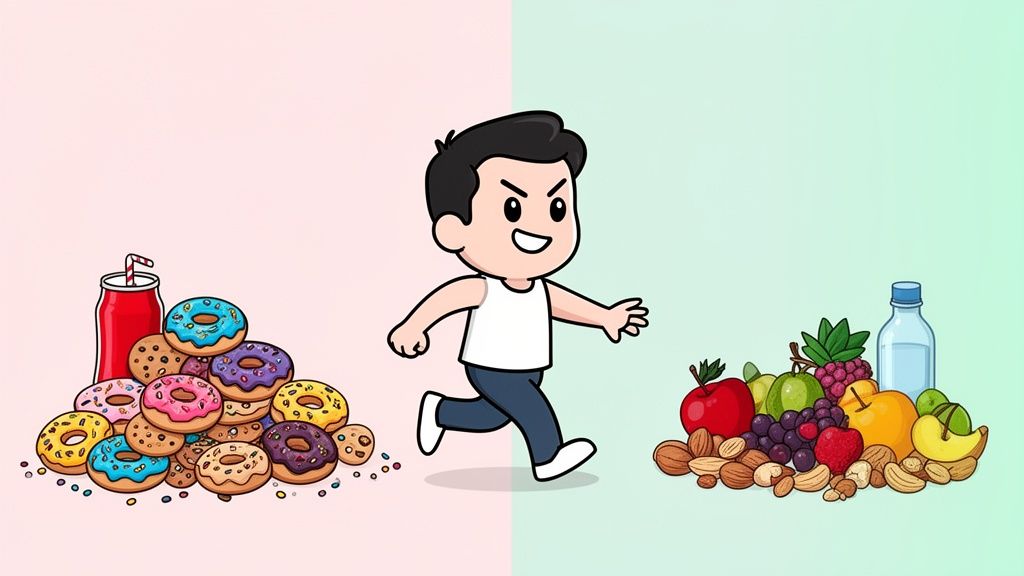
If you're trying to break up with sugar, the first thing to know is that it’s not just about willpower. This is a real, biological challenge. Kicking a sugar habit means you have to retrain your brain and body by slowly cutting back, keeping your blood sugar steady, and building new, healthier routines. It all starts with understanding why sugar has such a tight grip on you in the first place.
Why Is Sugar So Incredibly Hard to Quit?
Ever promised yourself you'd skip dessert, only to find yourself hunting for a cookie by mid-afternoon? You're definitely not alone. This isn't a moral failing or a lack of self-control; you're up against some powerful brain chemistry.
When you eat sugar, your brain releases a flood of dopamine. This is the "feel-good" chemical that lights up your brain's reward center. It's the same system that gets activated by things we find intensely pleasurable, and unfortunately, by addictive substances too.
Your brain quickly makes the connection: sugar equals reward. This creates a powerful feedback loop that drives cravings. Before long, you need more and more sugar to get that same happy rush, which is the classic sign of dependency. To get a better handle on the science behind these intense urges, it’s worth exploring why you crave sugar in the first place.
We’re Drowning in a Sea of Sugar
This biological pull is made a thousand times harder by the world we live in. Sugar is everywhere, hidden in foods you'd never expect, making it almost impossible to avoid.
The numbers are staggering. In 2023, the world consumed an eye-watering 200.1 million metric tons of sugar. Here in the U.S., the average person eats around 126 grams of sugar every single day—that's more than double the recommended daily limit. If you want to see the full picture, you can discover more dietary sugar statistics.
This constant exposure keeps that dopamine cycle spinning, making breaking a sugar addiction feel like you're swimming against a tidal wave.
Finding Your Starting Point
Before you can map out a path forward, you need to know exactly where you're starting from. Getting honest about your current habits is the most important first step. It’s not about judgment; it’s about gathering the data you need to create a plan that actually works for you.
Let's do a quick self-check.
Your Starting Point Quick Assessment
| Symptom or Habit | Frequency (Never, Sometimes, Often, Always) | What This Might Mean |
|---|---|---|
| Do you get energy crashes in the afternoon? | Your blood sugar might be on a rollercoaster. | |
| Do you eat sweets when you're stressed, sad, or bored? | You may be using sugar for emotional comfort. | |
| Do you feel sluggish or foggy after a sugary meal? | This is a common sign of a "sugar hangover." | |
| Do you need something sweet after every meal? | This can be a sign of a deeply ingrained habit. | |
| Do you hide your sugar consumption from others? | This points to a more complicated relationship with sugar. |
This little assessment isn’t a diagnosis, but it gives you a snapshot of your relationship with sugar. Seeing it laid out like this can be a real eye-opener and helps you pinpoint the specific areas you'll want to focus on first.
A Practical Plan for Moving Forward
Understanding the brain science behind your cravings is liberating. It moves the focus away from self-blame and onto smart, effective strategies. This guide is not about punishing yourself or feeling deprived. It's a realistic plan designed to work with your body, not against it.
By taking small, consistent steps, you can slowly reset your brain's reward system, dial down the cravings, and build a much healthier relationship with food. This is about empowerment, not guilt.
We’ll walk you through actionable tactics and show you how tools like the StopSugar app can support you every step of the way. Now that you have a better idea of your starting point, we can start building your personalized roadmap to freedom.
How to Build Your Personal Sugar Reduction Plan
There’s no magic bullet for breaking up with sugar, because your life isn't a one-size-fits-all template. A plan that actually works has to fit you—your personality, your schedule, and the unique ways sugar has woven itself into your daily routine. This is where we shift from just understanding the problem to building a real strategy to solve it.
Let's start with a simple, practical exercise I call a "Sugar Audit." This isn't about judgment or making you feel guilty; it's purely about gathering intel. For the next two or three days, just pay close attention to everything you eat and drink. Your mission is to spot all the places sugar shows up, especially where it’s hiding in plain sight (I'm looking at you, ketchup and salad dressing).
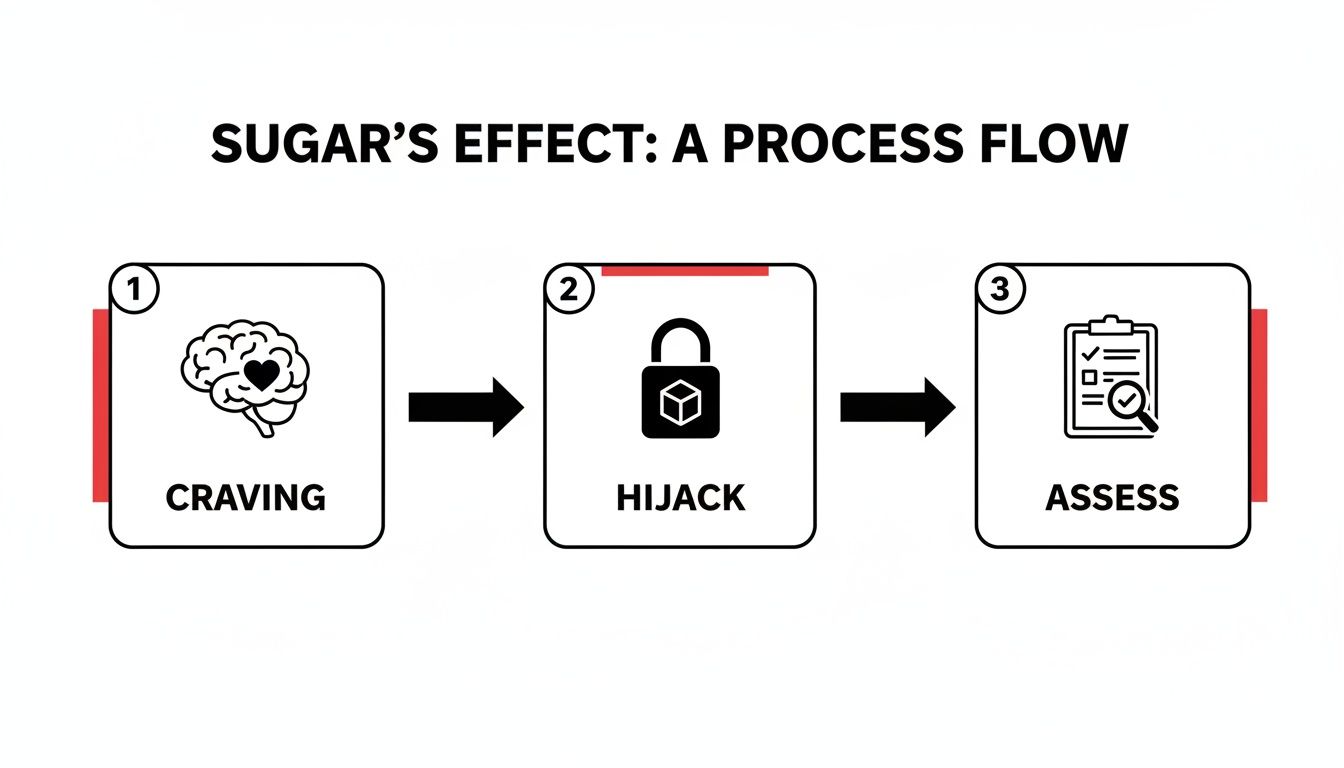
Seeing this cycle—craving, hijack, assess—is a game-changer. It shows you exactly how sugar short-circuits your brain's reward system. Once you understand this pattern, you can start building a plan to interrupt it right where you're most vulnerable.
Choose Your Path: Gradual Taper vs. Cold Turkey
Okay, now that you have a better idea of your starting point, you’ve got a big decision to make. How are you actually going to cut back? There are two main schools of thought here, and being brutally honest with yourself about what you can handle is the key to making this stick.
The Gradual Taper Method
This is all about slowly dialing back your sugar intake over several weeks. It’s a gentler approach that gives your body and mind time to adjust, which can feel way more manageable for a lot of people.
- Who it's for: This is perfect if you have a deeply ingrained sugar habit, feel overwhelmed by the thought of a massive change, or know from past experience that going all-in just leads to burnout.
- How it works: You start by tackling the easiest wins. Maybe in week one, you just swap your daily soda for sparkling water. The next week, you might switch from that sugary breakfast cereal to protein-rich oatmeal with a few berries.
- Pros: You'll likely experience fewer intense withdrawal symptoms like headaches or mood swings. It also lets your taste buds recalibrate slowly, so healthier foods actually start tasting better over time.
- Cons: This method demands patience and consistency. It’s easy to let things slide if you aren’t actively tracking your progress.
The Cold Turkey Method
This is the rip-the-band-aid-off approach. You commit to eliminating all added sugars from your diet for a set period, like 21 or 30 days.
- Who it's for: This often works wonders for people motivated by clear, black-and-white rules and a defined finish line. If you have an "all or nothing" personality, this might just be your style.
- How it works: You go all-in. For the next month, you read every single label and cut out everything from obvious desserts to sneaky sources like flavored yogurt and pasta sauce.
- Pros: After the initial rough patch, this can lead to faster results in terms of reduced cravings and a noticeable energy boost. The clean break can feel incredibly empowering.
- Cons: That first week can be a real beast. You're far more likely to deal with withdrawal symptoms, and it can be socially tricky if you haven't prepared for it.
No matter which path you choose, the end goal is the same: to break your body's dependence on sugar and put you back in the driver's seat. Neither method is better than the other; the best one is the one you will actually follow through with.
Using Tools to Support Your Plan
Deciding on a method is one thing, but sticking with it when a craving hits at 3 PM is another story entirely. This is where a good tool can make all the difference. Relying on sheer willpower is like trying to build a house without a hammer—you might get there, but it’s going to be unnecessarily difficult.
The StopSugar app, for example, is designed to support you no matter which path you choose. Its daily check-in feature lets you log your sugar-free days, which is a huge motivator. Watching that streak grow gives you a tangible sense of accomplishment that you can look at when you feel like giving in.
The app's mood tracker is another essential tool. It helps you connect the dots between what you eat and how you feel. After a few days with less sugar, you'll probably notice your energy is more stable and your mood is better. Seeing that data right there in front of you is powerful reinforcement.
Make Your Plan Real and Actionable
A plan is just a wish until you write it down and break it into concrete actions. So let's make this tangible.
Grab a notebook or open a new note on your phone. Looking at your Sugar Audit and your chosen method, write down three simple, specific changes you will commit to this week.
- Vague plan: "Eat less sugar." (This is a recipe for failure.)
- Actionable plan (Taper Method): "This week, I will replace my 2 PM candy bar with a handful of almonds and one square of 85% dark chocolate."
- Actionable plan (Cold Turkey Method): "This week, I will remove all sodas and juices from my house and drink only water, black coffee, or unsweetened tea."
These small, specific goals are the building blocks of real, lasting change. For a deeper dive into making new habits stick, our guide on behavioral change strategies is packed with powerful insights to support your plan. Turning an overwhelming challenge into a series of small, achievable wins is how you succeed.
Winning the Day-to-Day Battle with Cravings
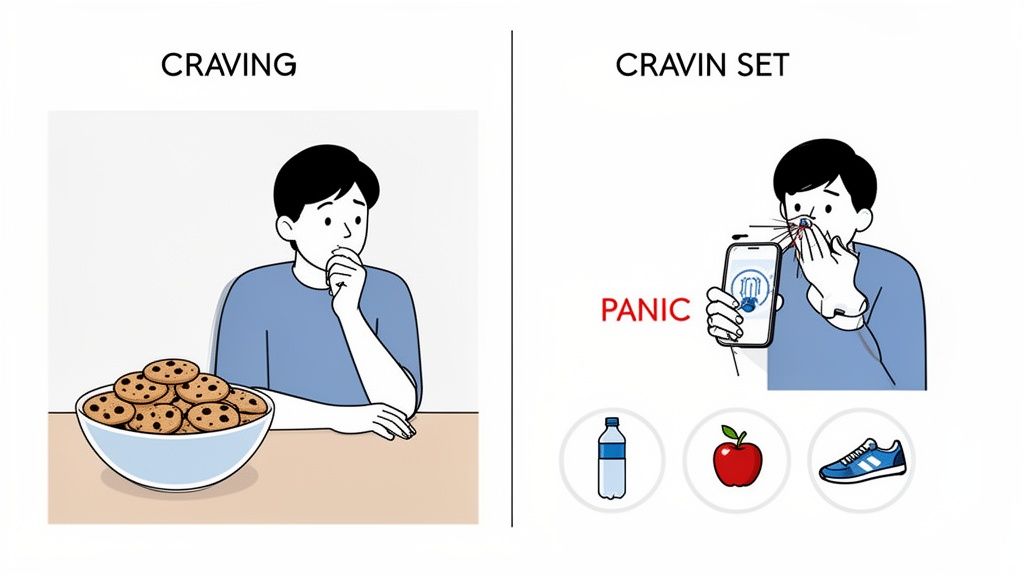
This is where the real work happens. It’s not about grand, heroic gestures but about the small choices you make every single day. Having a plan is your foundation, but your daily habits are what truly build lasting success. Winning this battle means having a smart, practical toolkit ready for when those inevitable cravings strike.
The first goal is to create an environment where the healthy choice is the easy choice. That starts with stabilizing your blood sugar. Think of it this way: when your blood sugar is on a rollercoaster, your cravings are in the driver's seat. Keeping it stable is the key to preventing those desperate energy crashes that send you running for the nearest sugary snack.
Setting Yourself Up for Success
You can't rely on willpower alone to get you through a tough afternoon slump. The most effective way to handle intense cravings is to prevent them from getting out of control in the first place. It's all about being proactive, not reactive.
Your two best friends here are protein and fiber. These nutrients digest slowly, giving you a steady release of energy that keeps you feeling full and your blood sugar stable. Unlike a sugary donut that gives you a quick spike followed by a hard crash, protein and fiber offer sustained fuel for your body and brain.
Try starting your day with a protein-rich breakfast, like eggs or Greek yogurt with berries. This one simple change can set a positive tone for the entire day, quieting cravings before they even have a chance to show up.
Your In-the-Moment Cravings Toolkit
Look, even with the best preparation, intense cravings are going to happen. They’re a completely normal part of this process. The trick is to have a plan for what to do in that moment of crisis. I call this a "panic button" strategy—a set of pre-planned actions you can take immediately to ride out the craving.
Cravings are like ocean waves. They build in intensity, crest, and then recede. Most research shows that an intense craving only lasts about 15 minutes. Your job isn't to fight the wave but to find a way to stay afloat until it passes.
This is where having a tool like the StopSugar app becomes a lifeline. The Panic Button feature is designed for these exact moments, offering instant, actionable alternatives to distract you and reset your brain. Whether you use an app or a mental checklist, having a go-to response is crucial.
Let's walk through a couple of real-world scenarios you're almost guaranteed to face.
Scenario 1: The 3 PM Office Slump
It's mid-afternoon, your energy has tanked, and the office snack drawer is calling your name. This is a classic trigger, driven by a dip in blood sugar and plain old habit.
Your Panic Button Response:
- Drink a big glass of water. Seriously, do it right now. We often mistake mild dehydration for hunger or a need for quick energy.
- Take a five-minute walk. A quick change of scenery and some light movement can boost blood flow to your brain, increase your energy, and serve as a powerful distraction.
- Have your pre-planned snack ready. This is non-negotiable. Keep a small bag of almonds, an apple with peanut butter, or a hard-boiled egg at your desk. It's so much easier to reach for your healthy option when it’s right there.
Scenario 2: The Social Gathering Sabotage
You’re at a birthday party, and you're surrounded by cake, cookies, and other desserts. Between the festive atmosphere and the social pressure, it can feel almost impossible to say no.
Your Panic Button Response:
- Bring your own healthy option. Offer to bring a beautiful fruit platter or a delicious low-sugar dessert. That way, you guarantee there's something you can enjoy without derailing your progress.
- Nurse a healthy drink. Hold a glass of sparkling water with lime or a cup of herbal tea. Just having something in your hands makes you less likely to mindlessly grab a sugary treat.
- Focus on the people. The real reason you're there is to connect, not just to eat. Shift your focus to the conversations and the experience itself.
Building a Bulletproof Snack Strategy
Having the right snacks on hand can truly make or break your journey. Your goal is to choose foods that give you sustained energy and satisfaction. For a deeper dive, check out our detailed guide on foods that curb sugar cravings.
Here are a few powerhouse options to keep with you:
- Nuts and Seeds: A handful of almonds, walnuts, or pumpkin seeds delivers healthy fats, protein, and fiber to keep you full.
- Plain Greek Yogurt: It's packed with protein. Add a few berries or a sprinkle of cinnamon for a touch of natural sweetness.
- Hard-Boiled Eggs: The perfect portable source of high-quality protein.
- Avocado: Mash half an avocado with a pinch of salt and pepper for a creamy, satisfying snack loaded with healthy fats.
For more comprehensive strategies, learning how to stop sugar cravings naturally by focusing on blood sugar stabilization can be a game-changer. Mastering this day-to-day battle is all about being prepared, proactive, and kind to yourself along the way.
Discovering a World of Flavor Beyond Sugar
Let's be honest, the thought of quitting sugar can feel like you're about to give up everything good. But what if I told you it's not about deprivation at all? It's actually an invitation to discover a whole world of incredible flavors that have been hiding behind a wall of sweetness.
This is your chance to retrain your taste buds. When you're constantly eating sugary foods, your palate gets a little lazy—it stops noticing the subtle, complex flavors in real food. Cutting back is like hitting a reset button. Suddenly, you'll taste the bright, tangy sweetness of a real strawberry or the warm, comforting spice of cinnamon in a way you haven't before. It's a game-changer.
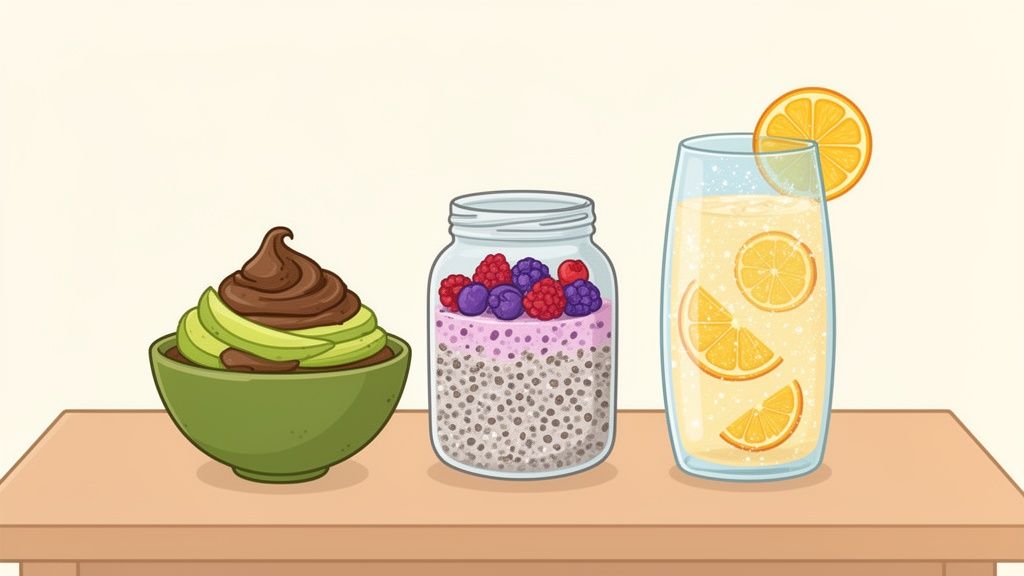
Smart Swaps for Your Biggest Cravings
The key to success isn't just white-knuckling it through a craving. It's about having a plan. When you know exactly what to reach for, you can satisfy that urge without the sugar crash. This is where a tool like the Alternatives feature in the StopSugar app becomes your best friend, giving you instant, healthy swaps right when you need them.
Here are a few common cravings and some delicious ways to tackle them:
- You crave something sweet & creamy: Instead of ice cream, grab a bowl of full-fat Greek yogurt. Top it with a handful of fresh berries and a dash of cinnamon. The protein and fat will fill you up, and the berries add just enough natural sweetness.
- You crave something fizzy: Kicking a soda habit is tough. Try swapping it for sparkling water with fresh mint and a squeeze of lime, or even a few muddled raspberries. You get all the bubbly satisfaction, none of the sugar.
- You crave something rich & comforting: That afternoon chocolate bar calling your name? Have a single square of 85% dark chocolate instead. It's surprisingly decadent, lower in sugar, and full of good-for-you antioxidants.
As you start making these changes, incorporating mindful eating practices can really help you tune into your body's cues and truly savor the natural flavors in your food.
A Mini-Cookbook for Delicious Freedom
Getting into the kitchen is one of the best things you can do. When you cook for yourself, you're in complete control. Here are a couple of ridiculously easy recipes to get you started on making treats that are both nourishing and feel totally indulgent.
Rich Avocado Chocolate Mousse
I know, avocado in a dessert sounds weird, but trust me on this one. It creates an unbelievably creamy, rich texture, and you won't even taste it behind the deep chocolate flavor.
Ingredients:
- 1 ripe avocado
- ¼ cup unsweetened cocoa powder
- 2-3 tablespoons of pure maple syrup (or to taste)
- ¼ cup unsweetened almond milk
- 1 teaspoon vanilla extract
- A pinch of sea salt
Instructions:
- Toss everything into a blender or food processor.
- Blend until it's perfectly smooth and creamy.
- Let it chill for at least 30 minutes before you dig in.
For perspective, a single store-bought chocolate pudding cup can pack over 20 grams of added sugar. This homemade mousse has less than half of that, plus all the healthy fats and fiber from the avocado.
Creamy Vanilla Chia Seed Pudding
This is the ultimate make-ahead breakfast or snack. It's loaded with fiber and protein, so it will actually keep you full and satisfied for hours.
Ingredients:
- 3 tablespoons chia seeds
- 1 cup unsweetened almond or coconut milk
- ½ teaspoon vanilla extract
- 1 teaspoon pure maple syrup (optional)
- Fresh berries for topping
Instructions:
- In a jar or bowl, whisk all the ingredients together (hold off on the berries).
- Let it sit for 5 minutes, then give it one more good whisk to prevent clumps.
- Cover it up and pop it in the fridge for at least 4 hours, or overnight.
- When you're ready to eat, just top it with your favorite fresh berries.
Your average flavored yogurt from the store can have 15-25 grams of sugar. This chia pudding, even with a little maple syrup, comes in at under 5 grams and gives you a huge fiber boost.
Success isn't about sucking the joy out of your diet. It's about discovering a new, more vibrant kind of joy—one that comes from nourishing your body with real, delicious food that makes you feel amazing.
How to Handle Setbacks and Stay on Track for Good
Let's get one thing straight right off the bat: having a slip-up does not make you a failure. It doesn't mean you have to throw in the towel or that all your progress is gone.
Real life gets in the way, and setbacks aren't just possible—they're pretty much guaranteed. The real key to long-term success isn't about being perfect. It’s about being resilient.
Think of a setback as just a piece of data. It’s a clue telling you something important about your triggers, your environment, or how you were feeling in that moment. Instead of beating yourself up, try to see it as a powerful chance to learn. This mental shift is absolutely critical if you're serious about breaking a sugar addiction for good. The goal is consistency over time, not a perfect, unbroken streak.
Turning a Slip-Up into a Strategy
So, you found yourself at the bottom of a pint of ice cream after a really stressful day. It happens. The very first thing to do is take a deep breath and ditch the guilt. Judging yourself isn't helpful, but being curious is. It’s time to play detective and figure out what went down, minus the emotional baggage.
Ask yourself a few simple questions to get to the root of it:
- What was the situation? Were you at a birthday party? In a movie theater? Was it that classic 3 PM slump at your desk?
- Who were you with? Sometimes the people around us, even with the best intentions, can be a major trigger.
- What were you feeling right before it happened? This is the big one. Were you bored? Stressed? Lonely? Tired?
This is exactly where a tool like the mood tracker in the StopSugar app can be a game-changer. When you start logging how you feel, you'll begin to see clear patterns. Maybe you’ll notice your cravings don't spike when you're hungry, but when you're completely overwhelmed at work. Naming that trigger—stress—is the first step to building a better way to cope with it next time.
Navigating Tricky Social Situations
Let's be honest, one of the toughest parts of this process is the social minefield. Holidays, dinners with friends, and office parties are practically built around sugary foods. It’s hard to stick to your plan without feeling like you're being a buzzkill or isolating yourself.
But you can absolutely handle these events with confidence if you have a game plan.
- Eat before you go. Never, ever show up to a party starving. A small snack with some protein and healthy fat will curb your hunger and make you way less likely to dive into the dessert tray.
- Bring a safe option. Heading to a potluck? Offer to bring a healthy dish you know you love. A beautiful fruit platter or a tasty low-sugar dessert ensures you have something great to eat.
- Plan your treat. If you know you want to indulge a little, decide what it will be ahead of time. Maybe it's a small slice of your friend’s birthday cake. Making a conscious choice puts you in the driver's seat, which feels totally different from mindlessly caving to a craving.
The ultimate goal is to get to a place where you control sugar, not the other way around. It’s about making deliberate choices that support your health, instead of being driven by old habits and emotional triggers.
This whole journey is about building a new, healthier relationship with food. It takes patience, a lot of self-compassion, and the willingness to learn from your own experiences. Every single time you ride out a craving or bounce back from a slip-up, you're building that resilience muscle and paving the way for lasting change. You've got this.
Got Questions About Quitting Sugar? We've Got Answers
Stepping away from sugar can feel like a big leap, and it’s natural to have a lot of questions. Getting them answered upfront can clear the fog and give you the confidence to dive in. Let's tackle some of the most common things people wonder about when they decide to break up with sugar for good.
So, How Long Does This Actually Take?
This is the million-dollar question, isn't it? The honest answer is that it varies from person to person. The really intense physical stuff—we're talking headaches, major cravings, and feeling seriously grumpy—usually hits its peak in the first week and then starts to fade.
But the real work is about changing your habits and rewiring your brain. That part of the process can take a solid month or even longer. You're waiting for your taste buds to reset and for your new, healthier choices to become second nature. Be patient with yourself. This is a marathon, not a sprint.
What Am I In For With Sugar Withdrawal?
Let's be real: sugar withdrawal is a thing, but it won't last forever. As your body cleans house and adjusts, you might run into a few bumps in the road. Think of them as signs that you're on the right track.
- Headaches: Your body is switching fuel sources, and this is a common side effect.
- Moodiness: Your brain is missing its usual easy fix of dopamine from sugar, so you might feel a bit irritable.
- Fatigue: It's normal to feel sluggish while your system learns to run on more stable energy.
The key to getting through this is simple: drink a ton of water, make sleep a non-negotiable priority, and load up on protein and healthy fats. These will keep your blood sugar from going on a rollercoaster.
Is the Sugar in Fruit Okay?
This is a great question and a source of a lot of confusion. The short answer is a resounding yes—the sugar in whole fruit is not the villain here. There's a world of difference between the added sugars pumped into processed foods and the natural sugars you get in an apple or a handful of berries.
When you eat whole fruit, that natural sugar comes bundled with fiber, water, and a ton of nutrients. That fiber is the hero—it slows down how quickly the sugar hits your bloodstream, which prevents the crazy energy spikes and crashes you get from a cookie.
So, please, keep enjoying whole fruits! They're a perfect, healthy way to satisfy a sweet tooth.
Does This Mean I Can Never Have Dessert Again?
Absolutely not. Let's get one thing straight: the point isn't to banish joy from your life forever. This is about taking back the driver's seat.
The goal is to move away from being controlled by mindless cravings and toward making mindful, intentional choices. After you’ve reset your palate, you’ll probably find that a small, amazing piece of dark chocolate or a slice of cake on your birthday is perfectly satisfying—and it won't send you spiraling. It’s all about intentional enjoyment, not permanent deprivation.