10 Surprising Foods With Hidden Sugars to Avoid in 2026
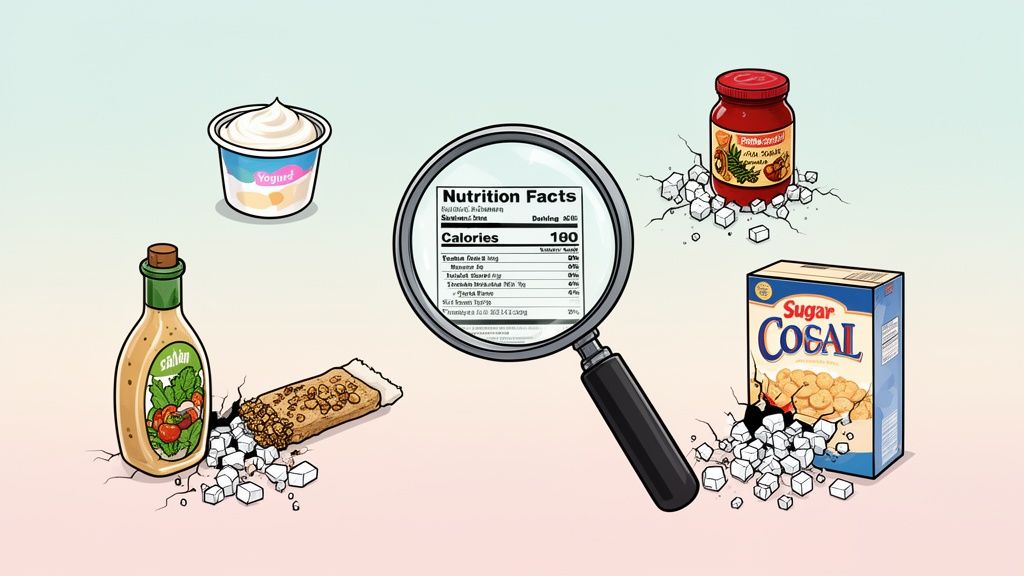
You diligently track your calories, choose 'whole grain' bread, and pick the 'healthy' yogurt, yet you still battle afternoon energy crashes and stubborn weight. The problem likely isn't your willpower; it’s the pervasive, invisible sugar hiding in your everyday diet. Many foods we believe are nutritious are packed with sweeteners, derailing our health goals without us even realizing it. This isn't about the obvious culprits like cookies and soda. This is about the deceptive foods with hidden sugars that line grocery store aisles, from salad dressings and protein bars to pasta sauces and supposedly healthy breakfast cereals. These products are masterfully marketed to appear wholesome while secretly contributing to sugar cravings, inflammation, and chronic health issues.
This guide is designed to pull back the curtain on this sweet deception. We will expose 10 of the most common offenders, detailing just how much sugar they contain and identifying the sneaky names food manufacturers use to disguise it on ingredient labels. You will get more than just a list; you'll receive a practical toolkit for navigating the grocery store with confidence. We’ll provide actionable tips for spotting sugar, offer simple and delicious alternatives for each item, and show you how tools like the StopSugar app can help you track your intake and make sustainable changes. It’s time to stop guessing and start knowing what’s really in your food. Let's unmask the hidden sugars and empower you to take definitive control of your health, energy, and well-being.
1. Flavored Yogurt
Often positioned as a healthy, convenient breakfast or snack, flavored yogurt is one of the most surprising sources of hidden sugars in the modern diet. While yogurt itself offers protein and beneficial probiotics, the "flavor" almost always comes from a significant amount of added sugar, turning a nutritious food into a dessert in disguise. A single 150ml (about 5.3 oz) serving can contain anywhere from 15 to 30 grams of sugar, which is equivalent to 3 to 7 teaspoons.
The problem is that consumers associate yogurt with gut health and wellness, making it easy to overlook the high sugar content. Brands like Yoplait and Dannon often feature fruit on the packaging, but the sweetness usually comes from added sugars and fruit concentrates, not just whole fruit. Even Greek yogurt, known for its high protein content, can be a sugar trap; flavored Chobani varieties, for example, can still pack 13-15 grams of sugar per serving. This makes flavored yogurt a key item to watch when looking for foods with hidden sugars.
How to Make a Healthier Choice
The good news is that enjoying yogurt without the sugar crash is simple. The key is to take control of the ingredients yourself.
- Go Plain: Start with plain, unsweetened yogurt (regular or Greek). It contains only naturally occurring sugars (lactose) and provides a clean slate for flavor.
- Add Your Own Toppings: Mix in fresh berries, a sprinkle of cinnamon, or a small amount of chopped nuts and seeds. This adds natural sweetness, fiber, and healthy fats for sustained energy.
- Check the Label: When buying any yogurt, make it a habit to check the nutrition facts panel. Aim for options with 5 grams of sugar or less per serving. Understanding the label is your best defense. For a complete guide, explore our article on how to read nutrition labels.
- Use an App for Tracking: The StopSugar app can help you scan barcodes and quickly see the sugar content, making it easier to identify high-sugar yogurts and track your daily intake.
2. Breakfast Cereals & Granola
Marketed as a quick and nutritious start to the day, many breakfast cereals and granolas are actually loaded with hidden sugars. These products capitalize on morning convenience, but they often function more like a sugary dessert than a balanced meal. A standard 30-45g serving of a popular cereal can pack anywhere from 9 to 18 grams of sugar, while seemingly healthy granola can contain 8-12 grams from ingredients like honey, dried fruit, and various syrups.
The issue is that consumers trust brands that promote "whole grains" or "added vitamins," overlooking the high sugar content that leads to a mid-morning energy crash and fuels afternoon cravings. Brands like General Mills and Kellogg's are masters of this, with products like Honey Nut Cheerios containing 12 grams of sugar per cup and Raisin Bran packing a surprising 18 grams. Even granola from seemingly wholesome brands like Nature Valley often contains 8-10 grams per serving, making breakfast cereals a major contributor when it comes to foods with hidden sugars.
How to Make a Healthier Choice
Reclaiming your morning routine from a sugar overload is easier than you think. It's all about choosing whole foods and reading labels carefully.
- Check the Label First: Before putting any cereal in your cart, check the nutrition panel. Aim for options with less than 5 grams of sugar per serving and a high fiber content to keep you full.
- Switch to a Whole-Food Base: Opt for unsweetened oatmeal or plain steel-cut oats. You can boost the protein and flavor by adding protein powder, fresh fruit, cinnamon, or a handful of nuts.
- Pair with Protein and Fat: If you do have a low-sugar cereal, balance it with a source of protein and healthy fat, like eggs or a side of nuts. This helps stabilize your blood sugar and provides sustained energy.
- Scan with an App: Use the StopSugar app to scan barcodes in the cereal aisle. The app’s alternative suggestions feature can help you find low-sugar replacements and track your morning intake effortlessly.
3. Flavored Coffee Drinks & Lattes
The daily coffee run is a cherished ritual for many, but it often represents one of the most insidious sources of hidden sugars. That morning latte or mid-afternoon frappuccino can easily contain more sugar than a can of soda, transforming a simple caffeine boost into a major sugar bomb. A single 16oz flavored coffee drink can deliver a shocking 30 to 50 grams of sugar, which is equivalent to 7 to 12 teaspoons.
This habit is particularly problematic for professionals who rely on these drinks daily, quickly accumulating a sugar intake that far exceeds recommended limits. Brands like Starbucks and Dunkin' have popularized these sweet beverages, with a medium McDonald's Mocha containing 40 grams of sugar and a Starbucks Caramel Macchiato hitting 34 grams. Often, the culprits behind hidden sugars in these drinks are the flavored coffee syrups used to create vanilla, caramel, or seasonal tastes, making these coffee drinks a key category to watch for foods with hidden sugars.
How to Make a Healthier Choice
You can still enjoy your coffee ritual without the inevitable sugar crash. The key is to be mindful of what goes into your cup and make simple swaps.
- Go Simple: Switch to black coffee, Americano, or espresso. If you prefer a creamier texture, add a splash of unsweetened almond milk or regular milk instead of sweetened creamers.
- Request Sugar-Free: Most coffee shops, including Starbucks, offer sugar-free syrup options, typically for vanilla. This simple request can reduce the sugar in your drink to zero without sacrificing the flavor you enjoy.
- Track Your Intake: Use the StopSugar app to log your daily coffee purchases. Seeing the cumulative sugar impact over a week can be a powerful motivator to change your habits. You can also explore our guide on how to drink without sugar for more ideas.
- Gradually Reduce: If you can't go cold turkey, ask the barista for fewer pumps of syrup. Start with three pumps instead of four, then reduce to two over a few weeks to wean yourself off the sweetness.
4. Salad Dressings
Salad dressings represent a classic health paradox. People choose salads to make a nutritious choice, only to unknowingly douse their greens in a significant amount of sugar. Commercial dressings, especially "light" or "fat-free" varieties, often use sugar, high-fructose corn syrup, and other sweeteners to compensate for the lack of fat and to balance the acidity of vinegar. A seemingly small two-tablespoon serving can contain anywhere from 3 to 9 grams of sugar, quickly turning a healthy meal into a sugar trap.
The issue is that dressings are seen as a mandatory part of a salad, not a potential source of empty calories. Brands like Kraft, Wishbone, and Hidden Valley dominate store shelves with options that quietly add to your daily sugar intake. A Kraft Asian Sesame dressing has 4 grams of sugar per serving, while even a simple balsamic vinaigrette can pack 3 to 5 grams. This makes bottled salad dressing a key culprit when looking for foods with hidden sugars, sabotaging the efforts of health-conscious diners.
How to Make a Healthier Choice
The best way to enjoy a flavorful salad without the unwanted sugar is to take control of what goes on top. Ditching the bottle for a simple homemade alternative is both easy and far healthier.
- Make Your Own: The simplest dressing is often the best. Whisk together extra virgin olive oil, a vinegar of your choice (like apple cider or balsamic), and your favorite herbs and spices. This homemade version contains zero added sugar and tastes incredibly fresh.
- Read the Label Meticulously: If buying a bottled dressing, always check the nutrition facts. Look for options with less than 1 gram of sugar per serving and scan the ingredients list for sweeteners like corn syrup, dextrose, or maltodextrin.
- Control Your Portions: When eating out, always ask for the dressing on the side. This allows you to control exactly how much you use, often revealing that you need far less than the restaurant would have served. Aim for 1-2 tablespoons instead of the usual 3-4.
- Log It Before You Eat: Use the StopSugar app to quickly scan the barcode of a store-bought dressing or log your serving size at a restaurant. This simple step provides instant feedback on the sugar content, helping you make a more informed decision on the spot.
5. Protein & Granola Bars
Often grabbed as a post-workout refuel or a healthy on-the-go snack, protein and granola bars are one of the most deceptive sources of hidden sugars. Marketed to fitness enthusiasts and health-conscious consumers, many of these bars are essentially candy bars disguised with a health halo. The promise of "protein" or "whole grains" masks the fact that a single bar can deliver a dessert-sized sugar load, leading to the exact energy crash you were trying to avoid.
For example, a popular Clif Bar can pack 24-25 grams of sugar, while a seemingly "natural" Larabar often contains 20-24 grams. Even brands positioned as healthier, like Nature Valley Protein bars, can still have 12-14 grams of sugar. This high sugar content, often from syrups and fruit juice concentrates, spikes blood sugar and triggers further cravings, making these bars a key culprit when looking for foods with hidden sugars.
How to Make a Healthier Choice
Choosing a convenient snack doesn't have to mean choosing a sugar bomb. With a little label-reading and a shift in perspective, you can find options that provide sustained energy without the crash.
- Check the Label: This is non-negotiable. Aim for bars with under 5 grams of sugar per serving. Be wary of high sugar alcohol content (like in Quest Bars), which can cause digestive issues for some.
- Prioritize Whole Foods: Whenever possible, opt for a snack made of whole foods. A handful of almonds paired with a hard-boiled egg or a small apple with a scoop of nut butter provides protein, fiber, and healthy fats with minimal sugar. For more ideas, explore our guide to no-sugar healthy snacks.
- Build Your Own: Combine a scoop of low-sugar protein powder with a small handful of nuts and seeds. This DIY snack gives you about 20 grams of protein with only 2-3 grams of sugar and puts you in complete control.
- Use an App for Insight: The StopSugar app's barcode scanner instantly reveals a bar's sugar content. You can also use its mood tracker to see the correlation between eating a high-sugar bar and your subsequent energy levels and cravings.
6. Reduced-Fat & 'Diet' Foods
The "diet" food aisle can be one of the most misleading places in the grocery store. Driven by the well-intentioned goal of reducing fat intake, many consumers opt for reduced-fat or fat-free products, believing they are making a healthier choice. However, when manufacturers remove fat, they often add significant amounts of sugar, high-fructose corn syrup, or other sweeteners to compensate for the loss of flavor and texture. This creates a paradoxical situation where a "healthier" product is often metabolically worse than its full-fat original.
This practice is widespread in products marketed by major brands like Kraft Heinz and J.M. Smucker. For example, a serving of reduced-fat peanut butter can contain 8-10 grams of sugar, compared to just 2-3 grams in the full-fat version. Similarly, fat-free salad dressings can pack 3-9 grams of sugar, while their full-fat counterparts often contain less than one gram. This makes these seemingly healthy options a major contributor to the list of foods with hidden sugars, sabotaging weight loss and energy management goals.
How to Make a Healthier Choice
Navigating the world of "diet" foods requires a shift in mindset: focusing on ingredient quality over fat content alone. Embracing healthy fats in moderation is often a better strategy than consuming low-fat, high-sugar alternatives.
- Choose Full-Fat Versions: Don't fear fat. Opt for the full-fat versions of products like peanut butter, salad dressing, and yogurt. The healthy fats will help you feel fuller longer, and you'll avoid the sugar spike.
- Compare Labels Side-by-Side: When in doubt, grab both the reduced-fat and regular versions of a product and compare the nutrition labels. Pay close attention to the "Added Sugars" line to see the real difference.
- Track with an App: Use the StopSugar app to scan barcodes of both regular and "diet" foods. The app makes it easy to visualize the sugar content and identify which option is genuinely healthier for your goals.
- Prioritize Whole Foods: The best way to avoid this trap is to make your own versions at home. A simple vinaigrette made with olive oil, vinegar, and herbs is far healthier than any store-bought, low-fat dressing.
7. Plant-Based & 'Health' Snacks
The wellness market is booming, and "plant-based" has become a powerful marketing term. Consumers often equate labels like "vegan," "organic," or "natural" with "healthy," but many of these snacks are loaded with hidden sugars. Brands capitalize on this "health halo" effect, selling products that sound nutritious but contain as much sugar as a conventional candy bar, making them a key category for foods with hidden sugars.
These snacks often rely on concentrated fruit, syrups, or natural sweeteners to achieve their flavor. For instance, a single LÄRABAR, marketed for its simple, fruit-based ingredients, can contain up to 20 grams of sugar. Other popular options like RXBARs contain around 8-10 grams, and even premium "healthy" chocolate like Hu can have 5-8 grams per serving. This shows how easily a well-intentioned snack choice can contribute significantly to your daily sugar intake.
How to Make a Healthier Choice
Navigating the world of "health" snacks requires you to look past the front-of-package claims and focus on the actual ingredients.
- Trust the Label, Not the Buzzword: Ignore front-of-pack claims like "plant-powered" or "all-natural." Turn the package over and read the nutrition facts panel. Look for added sugars and aim for snacks with 5 grams of total sugar or less.
- Prioritize Whole Foods: The best plant-based snacks are the simplest. A handful of almonds, walnuts, or seeds provides protein and healthy fats with virtually no sugar. Pairing them with a piece of whole fruit gives you natural sweetness with fiber.
- Make Your Own: Control the sugar content completely by making your own snacks. Mix nuts, seeds, and a small amount of unsweetened coconut flakes for a simple, satisfying trail mix that contains 0-2 grams of sugar.
- Use an App to See Through the Hype: The StopSugar app is a powerful tool for this. Scan the barcode of a "healthy" snack to instantly see its sugar content, helping you identify misleading products and find genuinely low-sugar alternatives. You can also track your energy levels after eating these snacks to see how their hidden sugars affect you.
8. Fruit Juices & Smoothies
Marketed as the pinnacle of health, fruit juices and commercial smoothies are often concentrated sugar bombs that can contain more sugar than a can of soda. While they come from fruit, the processing strips away the beneficial fiber, leaving you with a beverage that causes a rapid blood sugar spike. A single 16oz smoothie can compress the sugar from 4 to 5 servings of fruit into a drinkable form, leading to energy crashes and afternoon cravings.
Many popular brands are major contributors to this hidden sugar problem. A small 8oz glass of Tropicana Orange Juice contains 26 grams of sugar, while popular Jamba Juice or Starbucks smoothies can pack a staggering 50 to 65 grams of sugar into a 16oz serving. This makes fruit juice one of the most deceptive foods with hidden sugars, especially for professionals who replace meals with these drinks, only to find themselves tired and unfocused hours later.
How to Make a Healthier Choice
You don't have to give up the convenience or flavor of a smoothie; you just need to regain control over its contents. Making smarter choices can prevent the sugar overload.
- Eat, Don't Drink, Your Fruit: The best alternative is to eat whole fruit. The fiber slows down sugar absorption, keeps you full longer, and supports digestive health.
- DIY Smoothies: If you love smoothies, make them at home. Blend one serving of whole fruit with plain Greek yogurt, a handful of spinach, and water or unsweetened milk. This combination provides protein, fiber, and healthy fats for sustained energy with only 8-12 grams of sugar.
- Dilute Your Juice: If you can't give up juice, try diluting it with a 50/50 mix of water or sparkling water. This simple trick cuts the sugar content in half without completely sacrificing the flavor.
- Track Your Intake: Use the StopSugar app to track the sugar from your beverages. Seeing how quickly the grams add up can be a powerful motivator to switch to healthier alternatives like water or herbal tea.
9. Whole Grain & 'Healthy' Bread Products
Whole grain bread is a staple in healthy eating, marketed as a superior choice for its fiber and nutrients. However, many so-called "healthy" breads are significant sources of hidden sugars. To improve the taste and texture of whole grain flour, manufacturers often add sweeteners like high-fructose corn syrup, molasses, or honey. A single slice of popular whole grain bread can contain 2 to 5 grams of sugar, meaning a simple sandwich could have more sugar than some candy bars.
This is a common trap for professionals and health-conscious individuals trying to build a balanced lunch. They believe they are making a good choice, but the accumulated sugar leads to an unexpected energy crash later in the day. Brands like Dave's Killer Bread often contain 4-5 grams of sugar per slice, while Nature's Own and many store brands fall in the 2-4 gram range. This makes whole grain bread a deceptive but important item to check when searching for foods with hidden sugars.
How to Make a Healthier Choice
You can still enjoy bread as part of a healthy diet by being more selective and mindful of the sugar content. The goal is to find options that prioritize whole grains without the added sweetness.
- Read the Label: This is your most powerful tool. Look for bread with 1 gram of sugar or less per slice. Check the ingredients list for added sweeteners like corn syrup, cane sugar, or molasses. Genuinely low-sugar options like Ezekiel Sprouted Bread often have 0-1 gram per slice.
- Pair with Protein and Fat: When you do eat bread, pair it with a source of protein and healthy fat, like avocado, nut butter, or lean meat. This helps stabilize blood sugar and prevents the energy spike and crash associated with refined carbs and sugar.
- Consider Alternatives: For some meals, think beyond the sandwich. Use large lettuce leaves as wraps for a crunchy, carb-free alternative, or build a bowl with your sandwich fillings over a bed of greens.
- Track Your Intake: Use the StopSugar app to scan barcodes and quickly see the sugar content of different bread brands. Logging your meals can reveal how much sugar is coming from your "healthy" bread choices and help you find lower-sugar alternatives.
10. Tomato-Based Products & Sauces
Seemingly savory and wholesome, tomato-based products like pasta sauce, marinara, and ketchup are major culprits when it comes to foods with hidden sugars. Manufacturers often add significant amounts of sweeteners to balance the natural acidity of tomatoes, turning a vegetable-based condiment into a surprising sugar source. A single half-cup serving of a popular marinara sauce like Prego Traditional can contain up to 12 grams of sugar, while just one tablespoon of Heinz Ketchup packs 4 grams.
Because these sauces are used as a base for entire meals (like pasta) or applied generously (like ketchup on fries), the sugar adds up quickly. A professional eating a quick lunch might easily exceed their daily sugar limit without ever touching a dessert. Consumers perceive these as simple vegetable products, making it easy to overlook their contribution to daily sugar intake and subsequent energy crashes. This makes them a critical item to scrutinize for anyone looking to reduce hidden sugars in their diet.
How to Make a Healthier Choice
Avoiding the sugar in tomato-based products doesn't mean giving up your favorite Italian dishes or family barbecues. It's about making more conscious choices and taking back control of the ingredients.
- Read the Label: Always check the ingredients list for added sugars like "high-fructose corn syrup," "sugar," or "dextrose." Compare nutrition labels and opt for brands with 4 grams of sugar or less per serving.
- Make Your Own: The best way to control sugar is to make your own sauce. Sautéing garlic and onions with canned crushed tomatoes, herbs, and spices creates a delicious, sugar-free sauce in minutes.
- Look for "No Sugar Added" Versions: Many brands now offer versions of their sauces with no added sugar. These are an excellent and convenient alternative to traditional, high-sugar options.
- Track Your Intake: Use the StopSugar app to scan barcodes at the grocery store and instantly see the sugar content. This helps you quickly identify healthier sauces and track the cumulative sugar from condiments throughout your day.
Hidden Sugars — 10 Foods Compared
| Item | 📊 Hidden sugar & impact | 🔄 Ease to reduce/avoid (complexity) | ⚡ Cost & convenience | 💡 Ideal use cases / quick tip | ⭐ Key advantages |
|---|---|---|---|---|---|
| Flavored Yogurt | 15–30g per 150ml — high sugar, regular consumption risk | 🔄 Medium — swap to plain or mix your own fruit | ⚡ High convenience (single-serve); alternatives need prep | 💡 Choose plain Greek + berries; check labels for ≤5g | ⭐ Contains probiotics; quick breakfast |
| Breakfast Cereals & Granola | 9–18g per serving — common morning sugar source | 🔄 Medium — switch to unsweetened oats or low-sugar cereals | ⚡ Very convenient; long shelf life | 💡 Pair with protein (eggs/nuts); pick <5g cereals | ⭐ Fortified with vitamins; quick prep |
| Flavored Coffee Drinks & Lattes | 30–50g per medium — often exceeds daily limits | 🔄 High — habitual purchase and taste dependency | ⚡ Very convenient; costly if daily ($5–7 each) | 💡 Move to black coffee or sugar-free syrup gradually | ⭐ Social ritual; masks coffee bitterness |
| Salad Dressings | 3–9g per 2 tbsp (12–36g per salad) — hidden in “healthy” meals | 🔄 Low — use oil + vinegar or make homemade | ⚡ High convenience (packets/bottles) | 💡 Request dressing on the side; use 1–2 tbsp | ⭐ Improves palatability; shelf-stable |
| Protein & Granola Bars | 12–25g per bar — marketed as healthy but often sugary | 🔄 Medium — choose low-sugar bars or whole-food snacks | ⚡ Very portable; often more expensive per serving | 💡 Opt for bars <5g sugar or snack: nuts + cheese + fruit | ⭐ Portable, provides protein for recovery |
| Reduced-Fat & "Diet" Foods | Typically 2–4× more sugar than full-fat counterparts | 🔄 Low — compare labels; prefer full-fat in moderation | ⚡ Widely available; marketed as convenient | 💡 Read full-fat vs reduced-fat sugar values before buying | ⭐ Lower calories claimed; perceived healthier |
| Plant-Based & "Health" Snacks | 8–15g per serving — “natural” ≠ low-sugar | 🔄 Medium — check labels or make homemade snacks | ⚡ Convenient packaging; often premium-priced | 💡 Don’t assume vegan/organic = low sugar; compare labels | ⭐ Plant nutrients (seeds/nuts); aligns with values |
| Fruit Juices & Smoothies | 30–65g per 16oz — concentrated fruit sugar > soda | 🔄 High — habit and meal-replacement perception | ⚡ Very convenient; widely available | 💡 Replace with whole fruit + yogurt for fiber + satiety | ⭐ Provides vitamins/micronutrients |
| Whole Grain & "Healthy" Bread | 2–5g per slice — can add up in sandwiches | 🔄 Low — choose low-sugar breads (e.g., Ezekiel) | ⚡ Very convenient; common staple | 💡 Pick breads ≤1g sugar per slice; add protein/fat | ⭐ More fiber than white bread; sustained energy |
| Tomato-Based Products & Sauces | Marinara 6–12g per ½ cup; ketchup ≈4g/tbsp — pervasive hidden sugar | 🔄 Low — use homemade or low-sugar versions | ⚡ Highly convenient pantry staple | 💡 Make no-added-sugar sauce or use small portions | ⭐ Provides lycopene/antioxidants; versatile base |
Your Action Plan for a Low-Sugar Lifestyle Starts Now
Navigating the modern food landscape can feel like walking through a minefield, especially when it comes to sugar. As we've uncovered, supposedly "healthy" choices like flavored yogurt, whole-grain bread, and even salad dressings are often packed with sweeteners that undermine your health goals. The key takeaway is simple: awareness is your greatest ally. Understanding the many names for sugar and knowing where to look for these foods with hidden sugars is the first, most crucial step toward regaining control over your diet.
But knowledge without action remains just an idea. The true power lies in applying what you've learned to your daily choices, transforming information into a sustainable, healthier lifestyle.
From Awareness to Action: Your Next Steps
The goal isn't to achieve perfection overnight or to eliminate every gram of sugar from your diet. That approach often leads to burnout and frustration. Instead, focus on making small, consistent, and manageable changes. This strategy builds momentum and creates lasting habits.
Here is a practical, step-by-step plan to get you started:
- Pick One, Win the Week: Don't try to overhaul your entire pantry at once. Look back at the list of ten items we covered. Which one do you consume most often? Is it the morning granola, the lunchtime salad dressing, or the afternoon protein bar? Choose just one of these items to focus on for the next seven days.
- Execute the Swap: Your mission is simple: find a better alternative. If you chose flavored yogurt, switch to plain Greek yogurt and add your own fresh fruit. If it was pasta sauce, check labels and find a brand with no added sugar, or better yet, make your own simple version with canned tomatoes, garlic, and herbs.
- Become a Label Detective: Make a new habit of reading the nutrition facts and ingredients list for everything you buy. Look beyond the "sugars" line and scan the ingredients for words ending in "-ose" (like fructose or dextrose), as well as syrup, cane juice, or fruit concentrate. This skill is non-negotiable for anyone serious about reducing hidden sugar intake.
- Track Your Progress: You can't manage what you don't measure. For the first few weeks, consider using a tool to monitor your daily sugar consumption. This isn't about judgment; it's about data. Seeing the numbers can be a powerful motivator and will highlight where most of your sugar is coming from.
Leveraging Technology for Success
Making these changes can feel overwhelming, but you don't have to do it alone. This is where a dedicated tool like the StopSugar app becomes an invaluable partner. It's designed to simplify the process and support you every step of the way.
Key App Features to Utilize:
- Sugar Tracker: Log your meals to get a clear picture of your daily intake and identify surprising sources of sugar.
- 'Panic Button' for Cravings: Feeling an intense urge for something sweet? This feature provides immediate strategies and alternatives to help you navigate cravings without giving in.
- Discovery Hub: Find delicious, pre-vetted low-sugar recipes and product swaps directly within the app, taking the guesswork out of healthy eating.
The Bigger Picture: A Healthier, More Energetic You
Reducing your intake of foods with hidden sugars is about so much more than just a number on the scale. It's about unlocking a new level of well-being. Imagine waking up with stable energy that lasts all day, experiencing fewer mood swings, and feeling clear-headed and focused. These are the real rewards of cutting back on excess sugar. This mindful approach to eating is a cornerstone of many successful health strategies. To further support your journey towards a healthier diet, exploring effective weight loss tips often emphasizes the importance of mindful eating and avoiding processed foods.
You now have the map and the tools. The journey from being unconsciously controlled by hidden sugars to consciously choosing your nourishment starts with a single, deliberate choice. Take that first small step today. Your future self will thank you for it.