How to overcome sugar addiction: Break Free Today
Breaking a sugar habit often feels like a full-blown battle, and for good reason. It’s not about a lack of willpower; it’s a biological tug-of-war happening inside your brain. The first real step to winning is to understand exactly how sugar has you in its grip and to pinpoint your personal triggers. That clarity is where you start to take back control.
Why You Feel So Hooked on Sugar
Have you ever finished a perfectly good meal and immediately started thinking about dessert? You’re definitely not alone. That intense pull isn't just a fleeting thought—it's a deep-seated response in your brain's chemistry. Getting a handle on this is the key to figuring out how to stop sugar cravings for good.
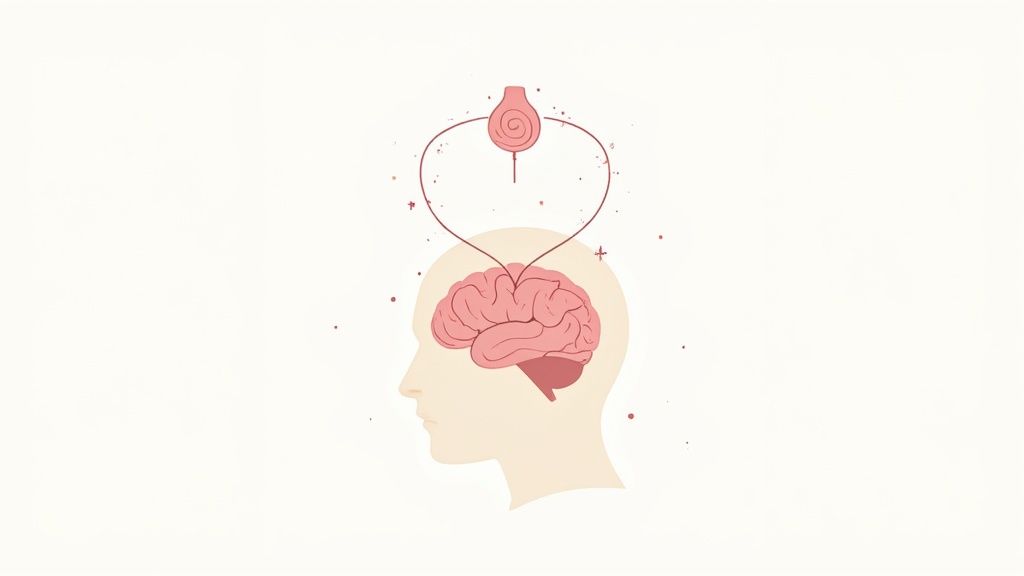
When you eat something sugary, your brain gets a hit of dopamine, the "feel-good" neurotransmitter linked to pleasure and reward. It’s the same chemical that lights up when you do anything enjoyable, giving you that little buzz of satisfaction.
The brain is wired to seek out and repeat actions that trigger this dopamine release. The trouble is, the processed foods we eat today are packed with more sugar than our bodies were ever meant to handle. This creates a massive dopamine flood that your brain quickly learns to chase, locking you into a powerful feedback loop.
The Cycle of Craving and Reward
It’s a simple but powerful process. You eat a cookie, your brain releases dopamine, and you feel great for a moment. The next time you feel stressed, tired, or just plain bored, your brain nudges you, saying, "Hey, remember how good that cookie made us feel? Let's do that again."
This kicks off a cycle that’s hard to break:
- Trigger: It starts with a cue—maybe stress from a long day at work or just seeing a tempting ad for ice cream.
- Craving: Your brain fires off an intense desire for sugar to get that familiar dopamine rush.
- Consumption: You give in and eat the sugary food, which just reinforces that reward pathway in your brain.
- Crash: After that initial high, your blood sugar nosedives. You're left feeling tired, cranky, and foggy, which often becomes a new trigger to reach for more sugar.
Over time, your brain actually starts to dial down its natural dopamine response. This means you need more and more sugar to get that same feeling of pleasure, which is the classic sign of any addiction.
Hidden Triggers That Fuel the Habit
It's not just brain chemistry, either. Your environment and daily routines play a huge part in keeping you stuck. For many of us, sugar is deeply tied to comfort, celebration, or just plain habit.
Think about it. Is it the donut you always grab with your morning coffee? The 3 p.m. candy bar to beat the afternoon slump? Or the bowl of ice cream that’s become a non-negotiable part of your nightly TV routine? These actions become so automatic that breaking them takes real, conscious effort.
On top of that, stress and a lack of sleep are major culprits. They mess with the hormones that control your appetite and cravings, making you far more likely to reach for something sweet. You can dive deeper into this by exploring our article on why you crave sugar and how to start managing it.
If this feels like a personal failing, it’s not. It’s a massive challenge shared by millions. Global sugar consumption hit a staggering 200.1 million metric tons in 2023. This is fueled by the sheer volume of added sugar hiding in our food supply, which makes it incredibly hard to avoid.
Realizing you’re up against a powerful mix of brain chemistry, ingrained habits, and a sugar-saturated world is the first and most empowering step you can take. It’s from here that you can start making real, lasting change.
So, you're ready to break up with sugar? Let's talk about how to do it without the drama. Going cold turkey sounds brave, but I’ve seen it backfire more times than I can count. It often leads to wicked cravings and a quick retreat to old habits.
A smarter, more sustainable approach is to ease into it. Think of it as gently retraining your body and taste buds. Over time, you'll find you don't even miss that intense, artificial sweetness.
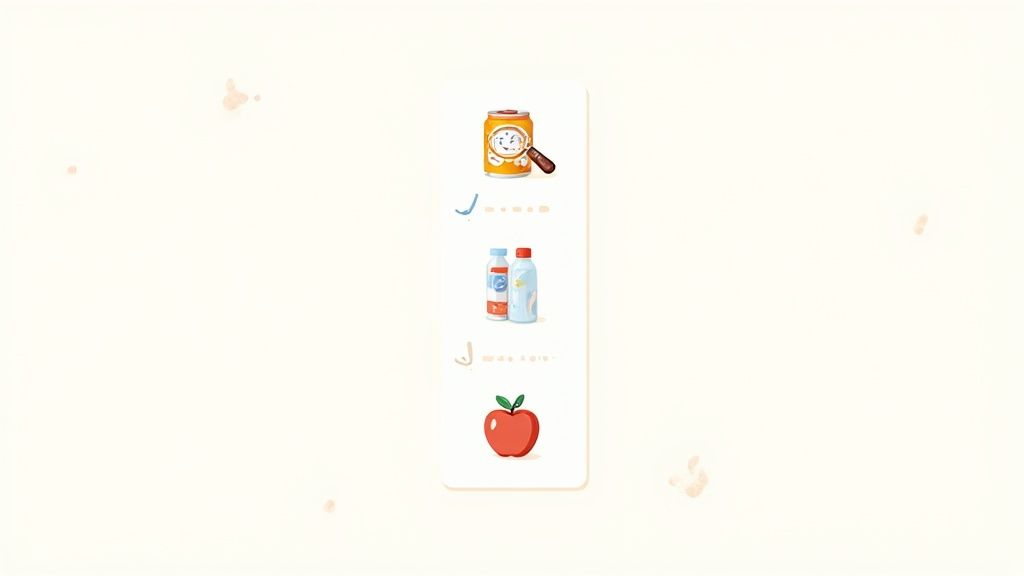
Start by Playing Detective
The first step is to figure out where all the sugar is hiding. It’s not just in the candy aisle. Sneaky sugars are lurking in roughly 75% of packaged foods, even the ones that scream "healthy."
Get in the habit of flipping over packages and reading labels. Look for "Added Sugars" on the nutrition panel first. Then, scan the ingredient list for sugar’s many disguises.
Common aliases to watch for:
- High-fructose corn syrup
- Dextrose, fructose, sucrose, and maltose
- Cane juice or cane syrup
- Brown rice syrup
- Barley malt
You'll be shocked to find these in your bread, pasta sauce, salad dressings, and savory snacks. This isn't about making you feel guilty; it's about giving you the power to make better choices.
Target the Biggest Offenders First
Okay, now that you're a sugar detective, it's time to act on your intel. Don't try to eliminate everything at once. Just focus on the "easy wins"—the things that deliver a huge sugar punch with almost zero nutritional value. For most people, that means sugary drinks.
Sodas, sweetened iced teas, sports drinks, and those fancy coffee shop concoctions are often the biggest source of added sugar in our diets. Just swapping one of these a day for water, seltzer, or unsweetened tea can make a massive difference.
This is a much more manageable way to start. If you want a deeper dive, our guide on how to wean off sugar has even more practical tips.
Make Smart Swaps, Not Sacrifices
Cutting back on sugar doesn't mean your food has to taste like cardboard. The real secret is making smart swaps that are just as satisfying. It’s about trading up, not giving up.
The goal isn't deprivation; it's substitution. By finding delicious, low-sugar alternatives for your favorite treats, you build a sustainable lifestyle that doesn't feel like you're constantly missing out.
For example, do you love that flavored yogurt in the morning? Try plain Greek yogurt with a handful of fresh berries and a dash of cinnamon. You get the creaminess and a touch of natural sweetness, saving yourself 15-20 grams of sugar right at the start of your day.
To help you get started, here are a few simple swaps you can make this week.
Your First Week Sugar Reduction Swaps
| High-Sugar Item | Healthy Swap | Why It Works |
|---|---|---|
| Sugary Breakfast Cereal | Oatmeal with Fruit & Nuts | The fiber in oats keeps you full, while fruit provides natural sweetness and nutrients. |
| Can of Soda (39g sugar) | Sparkling Water with Lemon | This swap provides the same fizziness and flavor without any added sugar or calories. |
| Candy Bar (25g sugar) | A Handful of Almonds & a Square of Dark Chocolate (>70%) | Almonds provide protein and healthy fats for satiety, while dark chocolate offers antioxidants with minimal sugar. |
| Flavored Yogurt (20g sugar) | Plain Greek Yogurt with Berries | Berries add natural sweetness and fiber, and Greek yogurt is packed with protein to keep you full longer. |
Making these simple changes is a fantastic first step.
Understanding the Bigger Picture
It helps to know what you’re up against. In the United States, for example, the average person consumes over 300% of the recommended daily amount of added sugar. That adds up to about 66 pounds of added sugar per person, per year.
The American Heart Association suggests no more than 25 grams of added sugar per day for women and 38 grams for men. Yet, most people are blowing past that with an average of 82 grams daily.
I'm not sharing these numbers to scare you, but to empower you. Knowing the scale of the problem helps you see that every small change you make is a real victory. Each healthy swap is a step in the right direction, and those steps really do add up.
How to Win the Battle Against Cravings
This is where the real work begins. You can have a perfect plan, but when a powerful craving hits or you’re navigating a social event, you need a solid toolkit to stay on track. Winning this battle isn’t about sheer willpower; it's about having smart, proactive strategies ready to deploy at a moment's notice.
Sudden urges are a totally normal part of breaking a habit, especially one as deeply ingrained as sugar. The trick is to have a few go-to techniques that can diffuse a craving before it completely takes over. Think of these as your first line of defense.
Taming Sudden Sugar Cravings
When an intense desire for something sweet strikes, it can feel like it’s all you can think about. Instead of trying to fight it head-on, your best bet is to distract and redirect your brain.
One of the simplest and most effective tactics is just to hydrate. Seriously. Our brains often mistake thirst for hunger or a sugar craving. Before you grab a snack, try drinking a large glass of water and just waiting 10-15 minutes. You’d be surprised how often that urge just melts away.
If water doesn't do the trick, a short burst of activity can work wonders. A quick walk around the block, a few simple stretches, or even putting on a good song and dancing for a couple of minutes can shift your focus entirely. It’s a great way to boost your mood and disrupt the craving cycle.
A craving is just a thought, and it will pass. The initial intense wave typically lasts only 3-5 minutes. Your goal is to find a healthy way to ride out that short wave without caving.
If you find yourself dealing with stubborn urges all the time, our in-depth guide offers more techniques to help you effectively https://stopsugar.app/blog/reduce-sugar-cravings.
Navigating Tricky Social Situations
Let's be honest—sometimes the hardest challenges come from other people. Birthday parties, office celebrations, and family dinners can feel like a minefield of sugary temptations and well-meaning peer pressure. Having a game plan is absolutely essential.
One of my favorite strategies is to eat beforehand. If you show up to an event already feeling satisfied from a protein-rich meal, it’s so much easier to politely pass on the dessert table. You won't be fighting both hunger and cravings.
It also helps to have a few polite "scripts" ready so you're not caught off guard.
Example Scenarios and Scripts
- At a Birthday Party:
- Them: "You have to try this cake! I saved you a huge slice."
- You: "It looks amazing! I'm honestly so full from dinner right now, but I'd love a cup of coffee if you have some."
- At the Office:
- Them: "Donuts in the breakroom!"
- You: "Thanks so much for the offer! I actually brought my own snack today, but I really appreciate you thinking of me."
- At a Family Dinner:
- Them: "I made your favorite dessert! You can't say no."
- You: "That is so sweet of you! Everything was delicious. I'm going to pass on dessert tonight, but thank you."
You don’t owe anyone a long-winded explanation. A simple, polite "no, thank you" is almost always enough. This is your health journey, and you have every right to set your own boundaries.
Proactive Strategies to Stay in Control
The absolute best way to handle cravings is to keep them from getting overwhelming in the first place. This all comes down to being proactive with your daily habits and your environment.
- Keep Healthy Alternatives Handy: Stock your kitchen, car, and workspace with go-to snacks like nuts, seeds, fruit, or Greek yogurt. When a craving hits, having a satisfying, healthy option within arm's reach makes all the difference.
- Identify Your Triggers: Start paying attention to what sets off your cravings. Is it stress after a long meeting? Boredom in the evening? Use the StopSugar app's mood tracker to log how you feel when cravings strike. Seeing these patterns is the first step to breaking them.
- Use the 'Panic Button': For those moments when you feel truly stuck and tempted, the app's Panic Button offers instant support. It can give you a quick distraction, a motivational quote, or a simple breathing exercise to help you pause and reset.
A huge part of this journey is retraining your palate and mind to actually want healthier foods. You can learn more about how to start craving healthy food instead of junk food to build a foundation where better choices become your new normal.
By combining these in-the-moment tactics with some forward-thinking planning, you'll be ready to handle any situation with confidence.
Building a Diet That Keeps Cravings Away
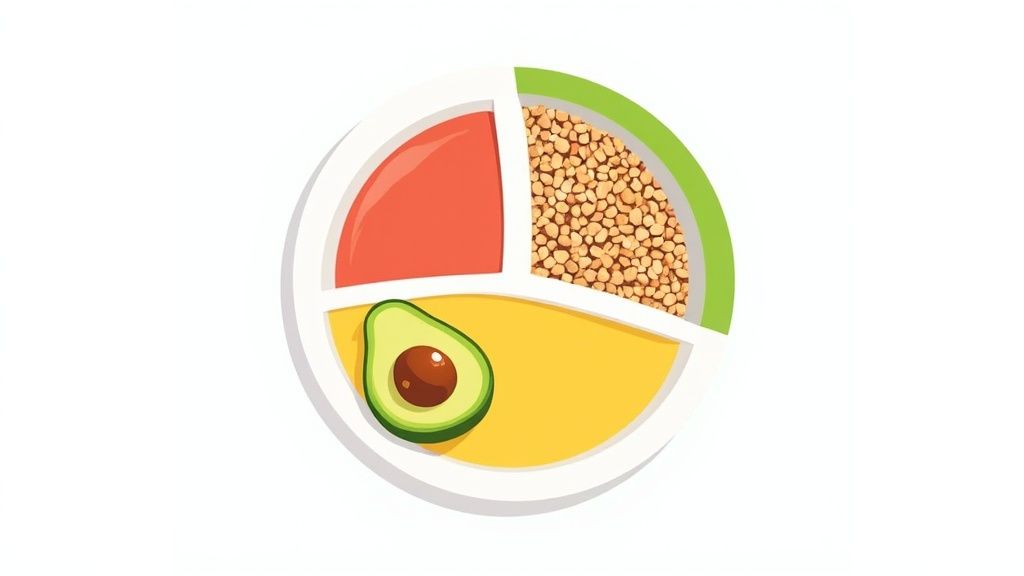
Trying to beat a sugar habit with sheer willpower is a losing battle. You might hold out for a while, but that intense pressure from cravings almost always wins. A much smarter approach? Build a diet that satisfies you so completely that cravings just don't stand a chance.
The real trick is to shift your focus from what you're cutting out to what you're adding in. When you start building your meals around whole foods that keep your blood sugar stable, you'll naturally sidestep the dramatic energy crashes that send you reaching for the nearest sweet treat.
The Foundation of a Craving-Proof Diet
If you want to get off the energy roller coaster, your new best friend is blood sugar balance. This is what takes you from frantic highs and lows to a state of calm, steady energy throughout the day. And the way to get there is by making sure three core nutrients are on your plate at every meal.
This power trio includes:
- Protein: This is what keeps you feeling full. It digests slowly, so you stay satisfied for hours instead of getting hungry an hour after you eat.
- Healthy Fats: I'm talking about things like avocados, nuts, seeds, and olive oil. Fats are also key for slowing digestion, and they're essential for absorbing nutrients and keeping your hormones happy.
- Fiber: Found in all your favorite vegetables, fruits, and whole grains, fiber slows down how quickly sugar enters your bloodstream. No more sharp energy spikes.
Combine these three, and you’ve got a meal that delivers a slow, steady stream of energy. This simple formula is what eliminates that desperate, gnawing hunger that hits after a meal heavy on refined carbs or sugar.
A well-balanced plate is your best defense. When your body is properly nourished with protein, fat, and fiber, it stops sending out emergency signals for quick energy in the form of sugar.
Building Your Meals for Lasting Energy
So, what does this actually look like on a plate? It's way easier than you might think. Just aim to shift your meals away from being centered on refined carbs and consciously add good sources of protein and healthy fats.
Think about breakfast. Instead of a sugary cereal that guarantees a 10 a.m. energy crash, try a couple of scrambled eggs (protein and fat) with half an avocado (fat) and a slice of whole-grain toast (fiber). That combination will keep you focused and firing on all cylinders all morning.
Here are a few more easy ideas to get you started:
- Lunch: A big salad loaded with grilled chicken or a can of chickpeas (protein), tons of colorful veggies (fiber), and a simple vinaigrette made with olive oil (healthy fat).
- Dinner: A piece of baked salmon (protein and fat) with a side of roasted broccoli (fiber) and some quinoa (fiber and a bit of protein).
- Snack: An apple (fiber) with a big spoonful of almond butter (protein and fat).
See the pattern? Each one has a component from our power trio. This isn't about counting calories; it’s just about mindfully building a better, more balanced plate.
Understanding the Global Sugar Challenge
It’s also helpful to remember that you're not in this fight alone—this is a global issue. As countries develop, diets tend to shift toward more processed foods, and sugar is everywhere. In fact, sugar is now found in up to 75% of packaged foods in some places.
This trend is especially powerful in developing nations. According to the OECD-FAO Agricultural Outlook, global sugar consumption is expected to grow by 1.2% every year, reaching a staggering 202 million metric tons by 2034. This just goes to show how tough it can be to avoid sugar when it's become a default ingredient. You can dig into more insights about global sugar trends on OECD.org.
Smart Hydration and Food Swaps
Don't forget about what you're drinking. Sugary drinks are one of the biggest culprits for empty calories and blood sugar spikes. Just swapping soda, juice, or sweetened iced tea for water, herbal tea, or seltzer can make an incredible difference in how you feel.
And when a craving does strike, try reaching for a handful of almonds or a small bowl of berries with some plain Greek yogurt instead of a candy bar. These snacks give your body the actual nutrients it needs to rebalance, which effectively turns off that craving signal. Learning how to overcome sugar addiction is less about restriction and more about making these kinds of smart, nourishing substitutions.
Lifestyle Habits That Support Your Journey
Breaking free from sugar isn’t just about what you cut from your diet. It's about what you add to your life. The real, lasting changes come from building a foundation of healthy habits that make it easier to say no to cravings and stick with your goals.
When you’re well-rested, calm, and feeling good, you’re far less likely to reach for sugar as a quick fix. Think of this as building your resilience from the inside out. Small tweaks to your daily routine can make a massive difference in taming the biological and emotional triggers that drive you toward sugar.
Prioritize Restorative Sleep
Ever notice how after a bad night's sleep, all you want are carbs and sweets? That's not just in your head. Sleep deprivation throws your appetite hormones—ghrelin and leptin—completely out of whack, leaving you feeling constantly hungry and never quite full.
This hormonal mess is the perfect recipe for intense sugar cravings. The best defense is a good offense: aim for 7-9 hours of quality sleep each night. Creating a relaxing wind-down ritual, maybe with some calming teas for bedtime, can seriously boost your willpower the next day.
A well-rested mind is a disciplined mind. Prioritizing sleep is one of the most effective, yet often overlooked, strategies for managing sugar cravings and maintaining control over your food choices.
Manage Stress in the Moment
Let’s be honest, stress is a huge trigger for emotional eating. When you’re frazzled, your body pumps out cortisol, a hormone that screams for high-sugar, high-fat "comfort" foods. Finding a healthy way to hit the brakes on stress is crucial.
This doesn't mean you need a complicated, hour-long meditation practice. Simple, in-the-moment techniques are often the most effective.
- Take Five Deep Breaths: When you feel that wave of stress rising, just stop. Inhale slowly, exhale slowly. Do it five times. This simple act tells your nervous system to calm down, lowering cortisol almost instantly.
- Use a Mindful Pause: Step away from whatever is stressing you out for just two minutes. What do you see? What can you hear? This quick reset helps break the knee-jerk reaction to grab a sugary snack.
Embrace Gentle Movement
You don't have to become a marathon runner to get the benefits of exercise. Physical activity is an incredible tool for naturally boosting your mood and keeping your energy stable, which is exactly what you need when you're cutting out sugar.
Gentle movement provides a natural dopamine hit, satisfying the reward-seeking part of your brain so it stops looking for it in a cookie.
Try a brisk 20-minute walk on your lunch break, a light yoga session to start your day, or even just a few minutes of stretching. It gets your blood flowing and releases endorphins, creating a natural high that makes healthier choices feel a whole lot easier.
Got Questions About Quitting Sugar? We've Got Answers
Stepping away from sugar can feel like venturing into the unknown. You're bound to have questions pop up, wondering what’s normal, how to handle the inevitable bumps in the road, and if you’re even on the right track. Let’s clear up some of the most common worries so you can move forward with confidence.
Knowing what's coming makes the whole process feel less intimidating. Instead of being caught off guard by a challenge, you can see it coming and have a plan ready.
How Long Does It Really Take to Break a Sugar Addiction?
This is the big one, isn't it? The honest-to-goodness answer is that it's different for everyone. Your own body, your old sugar habits, and your daily routines all have a say in the timeline. That said, most people follow a pretty predictable pattern.
You can expect the most intense, can't-think-about-anything-else cravings to fade significantly after about two to four weeks. The first week is usually the toughest—that's when your body is going through withdrawal. You might feel grumpy, sluggish, or just plain off. Hang in there, because that feeling doesn't last.
Getting to a place of true freedom, where you’re not constantly fighting the urge for something sweet, can take a few months.
It's not about just white-knuckling it for a few weeks. The real win is when you get to a point where healthy food tastes great and you're no longer a slave to cravings. Patience is everything.
Should I Quit Cold Turkey or Ease Into It?
Going cold turkey has a certain dramatic appeal, but for most of us, it’s a recipe for disaster. The withdrawal can be brutal—think pounding headaches, exhaustion, and wild mood swings. When you feel that bad, it's incredibly tempting to throw in the towel and grab the nearest donut.
A gradual, step-by-step approach is almost always more successful in the long run. It gives your body and brain time to adjust without the shock to the system, which makes it much more likely you'll stick with it.
Here’s a simple way to ease into it:
- Week 1: Your only job is to stop drinking your sugar. No more sodas, sweet teas, or sugary lattes.
- Week 2: Now, let's tackle the obvious desserts—cookies, candy, ice cream, you know the drill.
- Week 3: Time to become a detective. Start reading labels and hunting down the hidden sugars in things like ketchup, salad dressing, and pasta sauce.
This approach lets you build momentum one small win at a time.
What Happens If I Mess Up and Eat Sugar?
First, take a deep breath. Do not—I repeat, do not—beat yourself up. A slip-up is just part of the process when you're changing a habit this deep-seated. It’s not a failure; it's just feedback.
The most important thing you can do is get right back on track with your next meal. Don't let one misstep convince you the whole day (or week) is ruined. That "all-or-nothing" thinking is a trap.
Take a second to think about what led to the slip. Were you super stressed? Didn't get enough sleep? At a party? Use that information. Now you know a trigger, and you can come up with a better game plan for the next time you're in that situation. Every mistake is a lesson that makes you smarter for the next round.