Your Ultimate Low Glycemic Index Foods List for 2025
Navigating nutrition can feel complex, but understanding the Glycemic Index (GI) is a game-changer for mastering your energy and cravings. Unlike diets that focus only on calories, a low-GI approach helps you choose foods that provide steady, sustained fuel. This prevents the sharp blood sugar spikes and subsequent crashes that often lead to mid-afternoon slumps, irritability, and a relentless cycle of sugar cravings. This guide is designed to be a practical toolkit, not just another generic list.
We’ll break down the best food groups to focus on, explaining not just what to eat but also how to incorporate these foods into your daily routine. To truly succeed in mastering your blood sugar and embracing a low-GI lifestyle, it is essential to equip yourself with accurate information and be aware of common nutrition misconceptions that can derail your progress.
Whether you're managing a health condition or simply aiming to feel your best, this categorized low glycemic index foods list will empower you to build balanced, satisfying meals that work for your body, not against it. We'll provide specific examples, serving-size guidance, and actionable tips to lower the glycemic impact of your meals. Let’s dive into the foods that will help you regain control and feel fantastic.
1. Legumes and Pulses
Legumes and pulses, including beans, lentils, and chickpeas, are cornerstones of any effective low glycemic index foods list. Their impressive combination of high fiber, plant-based protein, and resistant starch works together to slow down digestion. This gradual process prevents the rapid spikes in blood glucose often caused by refined carbohydrates, providing a steady, sustained release of energy.
Their consistently low GI scores make them a reliable choice for blood sugar management. For example, red lentils have a GI of just 21, while chickpeas are around 28 and black beans are near 30. This makes them excellent for creating filling, nutrient-dense meals that keep you feeling full and energized for hours.
How to Add Legumes to Your Diet
Incorporating these foods is simple and versatile. They can serve as the base for soups, stews, salads, and curries. Rinsing canned beans is a quick way to add protein and fiber to a meal, while cooking dried varieties from scratch can improve texture and reduce sodium.
- Start small: If you're new to a high-fiber diet, add legumes gradually to allow your digestive system to adjust.
- Pair wisely: Mix them with non-starchy vegetables or a small portion of whole grains to create a balanced meal.
- Add acidity: A squeeze of lemon juice or a splash of vinegar can slightly lower the overall glycemic impact of your meal.
For a deeper dive into stabilizing your glucose levels, explore our guide on foods that stabilize blood sugar.
2. Non-Starchy Vegetables
Non-starchy vegetables are a foundational part of any low glycemic index foods list, prized for their minimal impact on blood glucose. Foods like leafy greens, broccoli, and bell peppers are packed with vitamins, minerals, and fiber but contain very few digestible carbohydrates. This low carbohydrate density means they do not cause significant blood sugar spikes, making them ideal for stable energy levels.
The glycemic index for most non-starchy vegetables is so low, often below 15, that it is considered negligible. For example, spinach, cauliflower, and zucchini all have a GI of less than 15. Their high fiber and water content also promote fullness and aid in digestion, helping to manage appetite and support overall metabolic health. Consuming them liberally is a key strategy for nutrient-dense, low-GI eating.
How to Add Non-Starchy Vegetables to Your Diet
Maximizing your intake of these nutritional powerhouses is straightforward and can be applied to any meal of the day. They add bulk, color, and crucial phytonutrients without disrupting blood sugar balance, making them incredibly versatile.
- Fill your plate: Aim to make non-starchy vegetables a major component of every meal, ideally covering half your plate.
- Cook lightly: Consume them raw, steamed, or lightly sautéed to preserve their delicate nutrients and fiber structure.
- Buy frozen: Keep frozen varieties like broccoli, spinach, and bell peppers on hand for a convenient and budget-friendly option.
- Eat the rainbow: Rotate through different colored vegetables to ensure you get a wide spectrum of antioxidants and phytonutrients.
3. Whole Grains
Whole grains are a fantastic addition to a low glycemic index foods list because they are minimally processed, retaining their fiber-rich bran and nutrient-packed germ. This structure slows down the breakdown of carbohydrates into sugar, ensuring a gradual and steady release of energy instead of a sharp blood sugar spike.
Their GI scores are generally moderate, making them a smart carbohydrate choice. For example, hulled barley has a GI of just 28, steel-cut oats are around 52, and quinoa is about 53. By choosing these over refined grains like white bread or white rice, you support more stable blood sugar levels and stay fuller for longer.
How to Add Whole Grains to Your Diet
Making the switch to whole grains is simple and can be done gradually. Start by replacing one refined grain serving per day with a whole grain alternative, such as swapping white rice for quinoa or barley.
- Choose wisely: Opt for steel-cut or rolled oats over instant varieties, which often have a higher GI.
- Cook al dente: Cooking grains until they are "al dente" (firm to the bite) results in a lower glycemic response than cooking them until soft.
- Pair with protein and fat: Combine your whole grains with a source of protein like chicken or beans and a healthy fat like avocado to further lower the meal's overall GI.
For a complete understanding of how these foods are measured, you can get a better sense of what the glycemic index is and how to use it effectively.
4. Nuts and Seeds
Nuts and seeds like almonds, walnuts, and chia seeds are powerhouses of healthy fats, protein, and fiber, securing their spot on any low glycemic index foods list. This powerful nutritional trio slows down the absorption of carbohydrates, which helps prevent sharp increases in blood sugar. Their minimal carbohydrate content ensures a negligible impact on glucose levels.
With GI values often below 15, nuts and seeds are an exceptional choice for blood sugar regulation. For example, almonds, walnuts, flaxseeds, and chia seeds all have a GI so low it's often considered negligible. This makes them a smart and satisfying option for snacks or as a crunchy addition to meals, helping to maintain stable energy and curb hunger effectively.
How to Add Nuts and Seeds to Your Diet
Incorporating nuts and seeds is effortless due to their versatility. They can be sprinkled over yogurt or salads, blended into smoothies for added creaminess and nutrients, or simply enjoyed by the handful as a quick, stabilizing snack.
- Practice portion control: Stick to a measured portion, such as one ounce (about 23 almonds or a small handful), to manage calorie intake.
- Toast for flavor: Lightly toasting nuts in a dry pan can enhance their flavor without the need for added oils or salt.
- Pair with fruit: Combine a small portion of nuts or seeds with a piece of low-GI fruit, like an apple, for a balanced and satisfying snack.
5. Berries
Berries are a standout fruit category in any low glycemic index foods list, proving that sweetness doesn't have to come at the cost of blood sugar control. Despite their natural sugars, most berries have a surprisingly low GI, thanks to their high fiber content and potent plant compounds called polyphenols. This combination slows the absorption of sugar into the bloodstream, preventing sharp spikes and crashes.
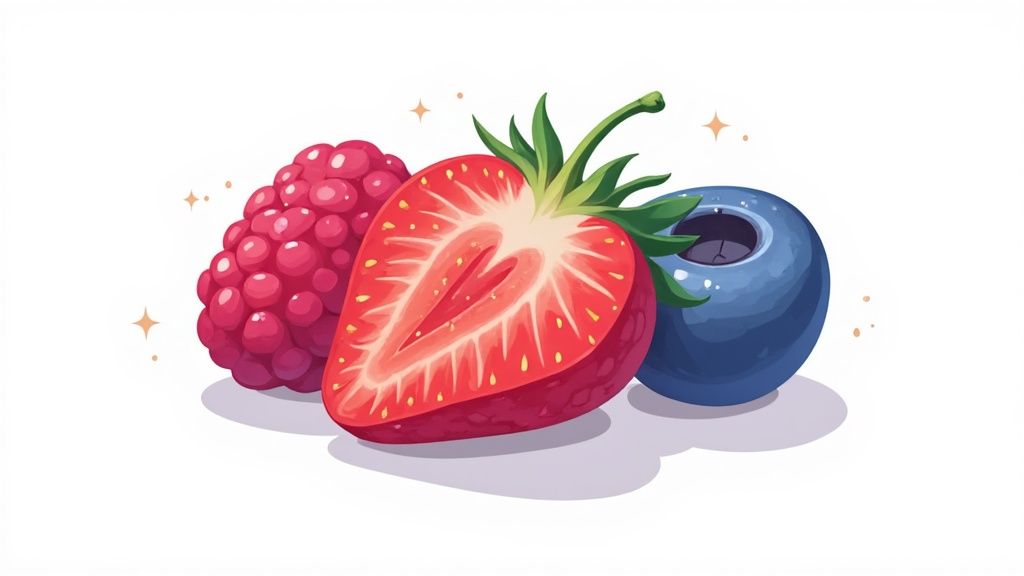
Their impressive GI scores make them a smart choice for a nutritious, sweet treat. For instance, raspberries have a GI of around 23, blackberries are near 25, and strawberries typically fall between 25 and 40. This makes them a reliable and delicious way to satisfy a sweet tooth while supporting stable energy levels.
How to Add Berries to Your Diet
Incorporating berries is both easy and enjoyable. They are perfect for adding to plain yogurt, steel-cut oats, smoothies, and salads, providing a burst of flavor, color, and nutrients. Choosing whole berries over juices or jams with added sugar is crucial for reaping their low-GI benefits.
- Buy frozen: Frozen berries are picked at peak ripeness and are often more affordable, making them available year-round for smoothies and cooking.
- Pair with protein or fat: Combine berries with a handful of almonds, walnuts, or a spoonful of chia seeds to further lower the meal's overall glycemic impact.
- Eat the skin: The skins of berries contain most of the fiber and antioxidants, so always consume them whole for maximum health benefits.
6. Proteins (Fish, Poultry, and Lean Meat)
Pure protein sources like fish, poultry, and lean meat are foundational to a low glycemic index foods list because they have a glycemic index of zero. Since they contain no carbohydrates, they do not raise blood sugar on their own. Including them in a meal effectively lowers the overall glycemic load, slowing the absorption of any carbohydrates consumed alongside them.
This stabilizing effect helps prevent energy crashes and supports sustained fullness. For example, pairing grilled chicken breast with a sweet potato results in a much more balanced blood glucose response than eating the sweet potato alone. Fatty fish like salmon and sardines offer the added benefit of heart-healthy omega-3 fatty acids, which further support overall wellness.
How to Add Lean Proteins to Your Diet
Incorporating high-quality protein is straightforward and can dramatically improve meal satisfaction. Focus on preparation methods that do not add unnecessary fats or sugars. When preparing low-GI protein sources like fish, having the right equipment can enhance your cooking experience; explore the best pans for cooking fish to perfect your seafood dishes.
- Choose wisely: Opt for lean cuts like chicken breast, turkey, and grass-fed beef. Aim to include fatty fish like salmon at least twice a week.
- Cook smartly: Grill, bake, poach, or steam proteins instead of frying to keep meals light and healthy.
- Avoid processed options: Steer clear of deli meats, sausages, and other processed meats, as they often contain hidden sugars, sodium, and unhealthy additives.
7. Dairy Products (Yogurt and Cheese)
Dairy products like plain yogurt and natural cheeses are excellent additions to a low glycemic index foods list. Their low GI scores are attributed to a high protein and fat content, with minimal carbohydrates. This combination significantly slows the absorption of glucose into the bloodstream, promoting stable energy levels and helping to manage hunger.
The key is to select unsweetened varieties. For instance, plain Greek yogurt has a GI of around 15, and hard cheeses like cheddar are often too low to even measure effectively (GI <15). Cottage cheese sits around 30. These foods provide a creamy, satisfying texture and a wealth of nutrients, including calcium and probiotics, without causing a blood sugar spike, making them ideal for snacks or as part of a balanced meal.
How to Add Dairy to Your Diet
Incorporating low-GI dairy is straightforward, but reading labels is crucial. Always check for added sugars, which can dramatically increase a product's glycemic impact.
- Choose plain: Opt for plain Greek yogurt or skyr and add your own low-GI toppings, such as berries or nuts, for flavor and texture.
- Portion cheese: While low in GI, cheese is calorie-dense. Stick to a serving size of 1-1.5 ounces to keep your meal balanced.
- Use as a swap: Substitute plain Greek yogurt for sour cream or mayonnaise in dips and dressings to lower the overall GI and boost the protein content of your meal.
- Look for cultures: Select yogurts with "live and active cultures" to support gut health, which plays a role in overall metabolic function.
8. Eggs
As one of the most nutrient-dense options on any low glycemic index foods list, eggs stand out with a glycemic index of zero. Because they contain virtually no carbohydrates, they have a negligible effect on blood sugar levels. Their combination of high-quality protein and healthy fats promotes satiety, helping to prevent overeating and subsequent glucose spikes.
Eggs are a powerhouse of essential nutrients, including choline for brain health and lutein for eye health. The complete protein profile ensures you get all the essential amino acids your body needs for muscle repair and metabolic function. This makes them a perfect food for stabilizing energy levels, particularly when eaten for breakfast, setting a stable metabolic tone for the entire day.
How to Add Eggs to Your Diet
Incorporating eggs is straightforward, as they can be prepared in countless ways to fit any meal. From a simple scramble to a topping for a salad, their versatility is a major advantage for blood sugar management.
- Choose wisely: Opt for pasture-raised or omega-3 enriched eggs when possible, as they offer a superior fatty acid profile.
- Cook gently: Prepare eggs at lower temperatures, such as poaching or scrambling on low heat, to preserve their delicate nutrients.
- Include the yolk: The yolk contains most of the vital nutrients, including choline, vitamin D, and healthy fats, so be sure to eat the whole egg.
- Pair with fiber: Combine eggs with non-starchy vegetables like spinach, bell peppers, or a side of avocado to create a balanced, low-GI meal.
9. Healthy Fats (Avocado, Olive Oil, and Coconut Oil)
Healthy fats like avocado, olive oil, and coconut oil are a unique and powerful addition to any low glycemic index foods list because they contain zero to minimal carbohydrates, giving them a glycemic index of virtually zero. Their primary role in blood sugar management is their ability to slow down gastric emptying. When included in a meal, they delay the digestion and absorption of carbohydrates, which helps prevent sharp increases in blood glucose.
This slowing effect is key to reducing the overall glycemic impact of your meal. For instance, extra virgin olive oil, avocado oil, and coconut oil all have a GI of 0. While avocado has a technical GI of around 15, its carbohydrate content is so low that its effect on blood sugar is negligible. These fats also provide lasting satiety, helping to control appetite and reduce the likelihood of snacking on high-sugar foods.
How to Add Healthy Fats to Your Diet
Incorporating healthy fats is a strategic way to add flavor, improve nutrient absorption, and manage blood sugar. They are versatile and can be added to almost any dish, from salads to cooked entrees, to enhance both taste and health benefits.
- Measure portions: Stick to a serving size of one to two tablespoons per meal to balance calorie intake.
- Enhance nutrient absorption: Drizzle olive oil over steamed vegetables to help your body absorb fat-soluble vitamins like A, D, E, and K.
- Swap ingredients: Use mashed avocado as a creamy and nutrient-dense substitute for mayonnaise on sandwiches or in dips.
- Choose quality oils: Opt for cold-pressed, extra virgin olive oil for the highest concentration of beneficial polyphenols and store it in a cool, dark place to prevent oxidation.
10. Sugar Alcohols and Artificial Sweeteners
For those seeking sweetness without the blood sugar consequences, sugar alcohols and natural sweeteners are essential tools in a low glycemic index foods list. Options like erythritol, xylitol, stevia, and monk fruit offer a sweet taste with a minimal or zero glycemic index, preventing the glucose spikes associated with regular sugar. This makes them valuable for sweetening foods and beverages while adhering to a blood sugar-conscious diet.
Their near-zero impact on blood glucose makes them a strategic choice. Erythritol, stevia, and monk fruit all have a GI of 0, while xylitol is very low at 7. This allows you to enjoy a hint of sweetness in your coffee, tea, or homemade baked goods without disrupting your energy levels or glycemic control, helping to satisfy cravings in a manageable way.
How to Use Sugar Alcohols and Sweeteners
Incorporating these sugar alternatives can help you transition away from high-GI sweeteners. They are particularly useful in recipes where sugar provides not just taste but also texture, though some adjustments may be needed.
- Start with small amounts: Sugar alcohols can cause digestive discomfort in some people. Begin with a small serving to see how your body tolerates them.
- Choose natural options: Prioritize stevia and monk fruit, which are derived from plants and are generally well-tolerated.
- Use in moderation: Rely on these sweeteners as a tool to manage cravings, not as a replacement for a diet centered on whole, unprocessed foods.
To better understand the nuances and potential health impacts, you can learn more about the health risks of artificial sweeteners.
Low-GI Foods: 10-Item Comparison
| Item | 🔄 Complexity | ⚡ Resources & Efficiency | 📊 Expected outcomes | 💡 Ideal use cases | ⭐ Key advantages |
|---|---|---|---|---|---|
| Legumes and Pulses | Moderate — soaking/cooking needed | Very low cost; long shelf life (dried); moderate prep time | Steady blood glucose; high fiber & plant protein; sustained energy (GI 20–35) | Budget meals, batch cooking, diabetic-friendly plant protein | Low GI; high fiber/protein; versatile; high satiety |
| Non‑Starchy Vegetables | Low — minimal prep; often raw or lightly cooked | Low cost; high volume; shorter shelf life | Negligible glycemic impact (GI <15); high micronutrients; low calories | Plate fillers, salads, weight-loss meals, nutrient-dense sides | Very low GI; nutrient-rich; high volume for satiety |
| Whole Grains | Moderate — longer cooking; processing affects GI | Moderate cost; some require soaking/cooking | Moderate glycemic response (GI ~40–55); sustained energy; heart benefits | Breakfasts, whole‑grain swaps for refined carbs, fiber-focused meals | Slow-digesting carbs; fiber, B‑vitamins, beta‑glucans |
| Nuts and Seeds | Low — minimal prep; portion control recommended | Higher cost per calorie; long shelf life | Minimal glycemic effect (GI <15); high satiety; nutrient-dense | Snacks, toppings, add‑ins to lower meal GI | Low GI; healthy fats; micronutrient-dense; portable |
| Berries | Low — wash/use; frozen available | Moderate cost; seasonal fresh; frozen convenient | Low–moderate GI (≈25–40); high antioxidants & fiber; cognitive benefits | Desserts, smoothies, yogurt/oat toppings, antioxidant boost | Antioxidant-rich; lower GI than many fruits; fiber |
| Proteins (Fish, Poultry, Lean Meat) | Low–Moderate — basic cooking skills; sourcing matters | Higher cost; quick-cook options available | Zero GI; reduces meal glycemic response; supports muscle maintenance | Main-course protein, post-workout meals, low-carb diets | Zero GI; complete protein; omega‑3s from fatty fish |
| Dairy (Plain Yogurt & Cheese) | Low — ready-to-eat; choose unsweetened | Moderate cost; perishable; convenient | Low GI (15–35 for plain); protein + probiotics; bone support | Snacks, breakfasts, gut-health meals; yogurt as sauce/base | Protein-rich; probiotics (yogurt); calcium; satiety |
| Eggs | Low — very quick prep; food-safety considerations | Low cost; quick and portable | Zero GI; highly satiating; nutrient-dense (choline, lutein) | Fast breakfasts, simple meals, portable protein | Zero GI; complete protein; affordable and versatile |
| Healthy Fats (Avocado, Olive Oil, Coconut Oil) | Low — easy to use; watch heat stability | Moderate cost; calorie-dense; measure portions | Zero GI; slows gastric emptying; increases satiety and nutrient absorption | Dressings, cooking medium, to reduce meal GI and improve absorption | Cardiovascular benefits; satiety; fat‑soluble vitamin absorption |
| Sugar Alcohols & Artificial Sweeteners | Low — direct swaps; recipe adjustments for baking | Variable cost; some cause digestive issues in sensitive people | Minimal/no GI impact (most 0–7); maintain sweetness without glucose | Low‑GI baking, diabetes-friendly treats, reducing added sugar | Enable sweetness with little/no glycemic effect; useful for sugar reduction |
Putting It All Together: Your Next Steps for a Low-GI Lifestyle
Navigating the world of nutrition can feel complex, but as we've explored, building a diet around a low glycemic index foods list is a straightforward and powerful way to reclaim your energy, stabilize your mood, and take control of your health. You now have a comprehensive toolkit filled with nutrient-dense vegetables, fruits, whole grains, and proteins that work with your body, not against it. The key isn't about eliminating food groups but about making smarter, more intentional choices.
Remember, this journey is not about perfection; it’s about making consistent, positive changes. The most significant takeaway is that you are in control. By understanding how different foods affect your blood sugar, you can build meals that provide sustained energy and prevent the frustrating cycle of sugar highs and subsequent crashes. This list is your blueprint for success.
Your Action Plan for a Low-GI Future
Transforming knowledge into action is where the real change happens. Here are your immediate next steps to start building a sustainable, low-glycemic lifestyle today:
- Start with One Small Swap: You don't need to overhaul your entire diet overnight. This week, focus on one simple change. Try swapping your usual morning toast for a bowl of steel-cut oats topped with berries and nuts, or replace a sugary afternoon snack with a handful of almonds and a piece of cheese.
- Embrace the Power of Pairing: One of the most critical lessons is that you rarely eat foods in isolation. Always pair your carbohydrates with a protein, healthy fat, or fiber. Adding grilled chicken to your whole-wheat pasta or enjoying your apple with a spoonful of peanut butter significantly blunts the glycemic response, keeping you fuller for longer.
- Plate with Purpose: Use a simple visual guide for your meals. Aim to fill half of your plate with non-starchy vegetables, a quarter with lean protein, and the remaining quarter with a low-GI whole grain or starchy vegetable. This simple rule ensures your meals are balanced, satisfying, and blood-sugar friendly.
Long-Term Success and Lasting Vitality
Adopting this way of eating is a commitment to your long-term well-being. By consistently choosing from this low glycemic index foods list, you are not just managing your weight or avoiding energy slumps. You are actively reducing your risk for chronic conditions like type 2 diabetes and heart disease, improving your mental clarity, and providing your body with the high-quality fuel it needs to thrive.
Think of this article and the list within it as your reference guide. Bookmark it, print it out, and use it as you plan your meals and go grocery shopping. Each smart choice you make is a step toward a healthier, more vibrant you. The path to balanced energy and optimal health is paved with the delicious, satisfying foods we've just covered. Your journey starts now.