Sugar Withdrawal Symptoms How Long A Realistic Timeline

So, you're wondering how long sugar withdrawal symptoms last? It's a great question, and the answer has two main parts. The most intense physical stuff—the headaches, the grumpiness—usually hits its peak within a week. But the mental side, those nagging cravings, can hang around for a bit longer.
Think of it like this: you've got a short, steep climb for a few days, followed by a much longer, gentler downhill slope.
Your Sugar Withdrawal Timeline Explained
Knowing what to expect from sugar withdrawal is like having a map for a road trip. It helps you prepare for the bumpy patches and reminds you that the beautiful destination is just ahead. Instead of being blindsided by a sudden headache or a wave of irritability, you can recognize them as signposts on your journey to feeling amazing.
This whole process isn't just a random series of bad days. It follows a pretty predictable pattern as your body and brain chemistry get used to life without constant sugar hits. We can break it down into a few distinct phases, each with its own hurdles and wins.
To give you a quick snapshot, here’s a table outlining what the journey typically looks like.
Typical Sugar Withdrawal Timeline And Symptoms
| Withdrawal Phase | Common Symptoms | Intensity Level |
|---|---|---|
| Days 1-3 (The Shock) | Headaches, intense cravings, fatigue, irritability, brain fog | High |
| Days 4-7 (The Peak) | Symptoms may peak, mood swings, lingering cravings | Moderate to High |
| Week 2 (Turning a Corner) | Physical symptoms subside, energy levels start to stabilize | Low to Moderate |
| Weeks 3-4 (Finding a New Normal) | Mental cravings lessen, improved mood and mental clarity | Low |
While everyone's experience is unique, this gives you a general idea of the terrain. The toughest part is usually over before you know it.
The First Few Days Are The Toughest
Let's be real: the first few days can be rough. This is when your body is basically yelling at you, demanding to know where its usual quick-and-easy energy source went.
Most people find that the worst of it hits between days 2 and 5. This is prime time for intense cravings, serious crabbiness, mood swings, and those pounding headaches. The good news? These acute symptoms almost always start to fade after that first week. It's the psychological cravings that can stick around for 3 to 4 weeks as your brain rewires its reward pathways.
This timeline gives you a great visual for the whole process, from the initial struggle to the long-term rewards.
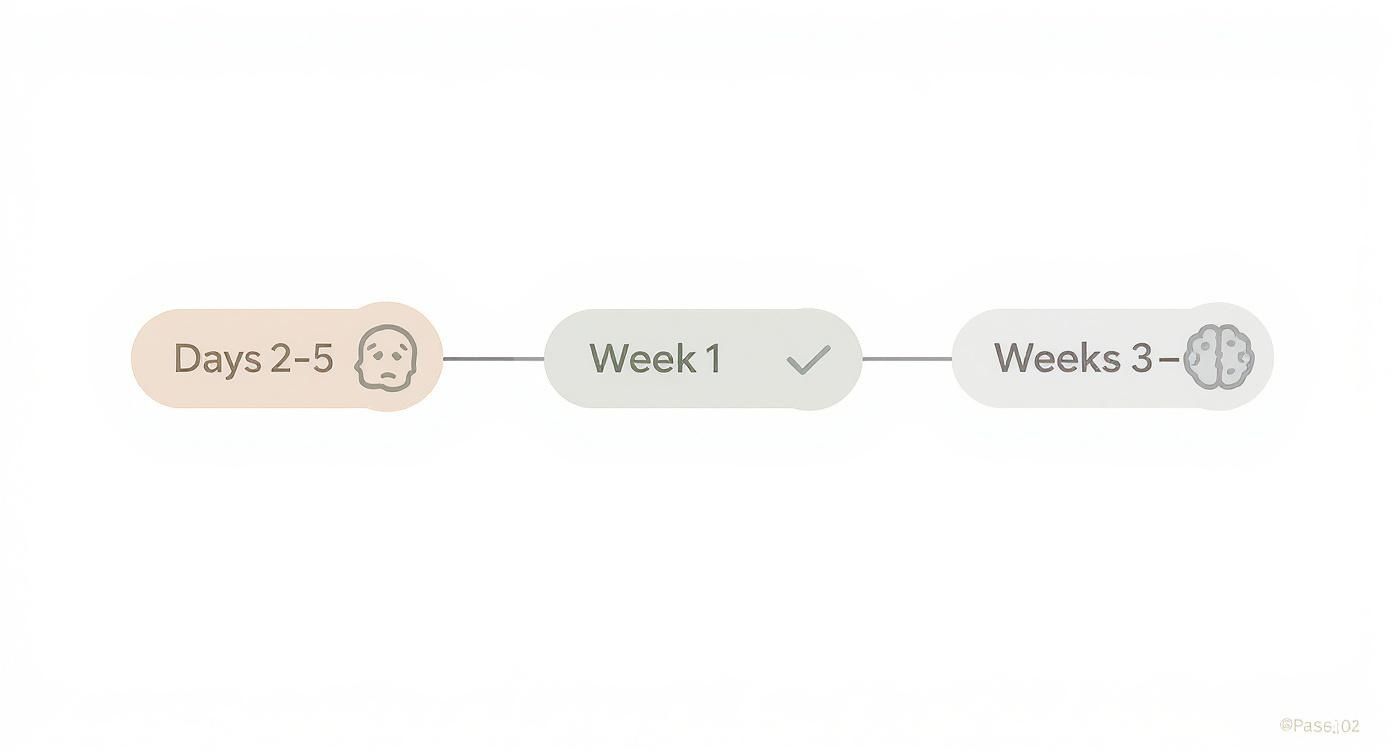
As you can see, the really difficult physical part is short-lived. You’ll likely feel a whole lot better around the one-week mark, with better focus and mental clarity showing up in the weeks that follow.
How Does This Compare to Other Habits?
It can be helpful to put this into perspective. Kicking a sugar habit follows a similar pattern to breaking other habits—a few really tough days followed by a gradual improvement. If you're curious, you can see a similar structure in this smoking cessation withdrawal timeline, which also shows that initial peak-and-fade pattern.
Understanding this timeline is a game-changer. It lets you brace for the hard days and, more importantly, look forward to the relief and energy that are waiting for you on the other side.
Want to get into the nitty-gritty of what's happening inside your body? Check out our deep-dive guide on what happens when you quit sugar.
Why Quitting Sugar Feels So Hard
Ever tried to quit sugar and felt like you were in a genuine battle? It’s not just in your head, and it’s definitely not a lack of willpower. There’s a powerful biological process going on in your brain, and once you understand it, the whole experience can feel less like a personal failure and more like a predictable—and temporary—adjustment.
Think of it this way: your brain got used to a high-octane, super-fast fuel source. Sugar gives it an instant jolt of energy and a nice little mood boost. When you suddenly take that fuel away, the whole system sputters and protests. It wants its quick fix back, and it's not shy about letting you know.
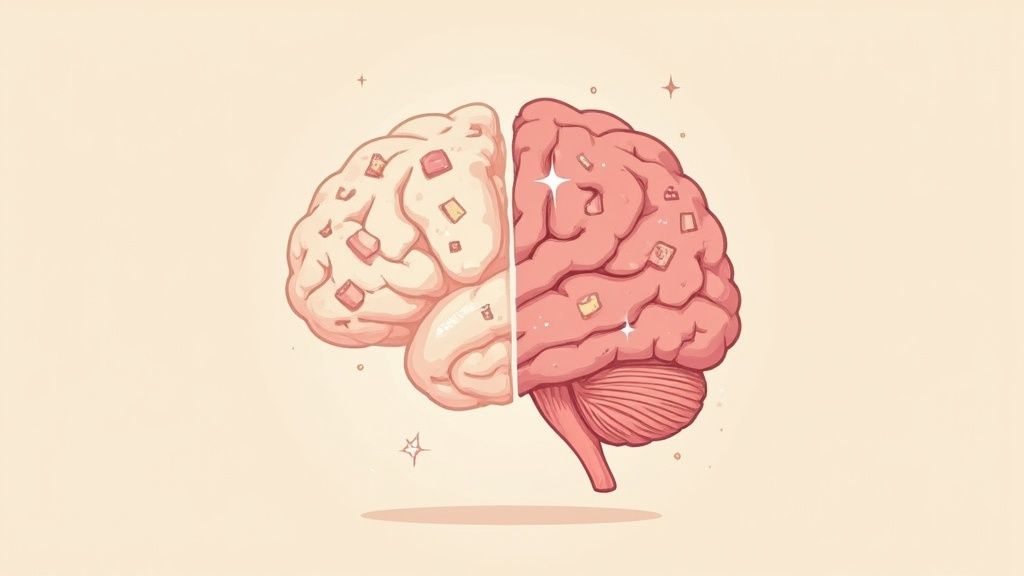
This reaction is all about your brain chemistry. Knowing what’s happening on a chemical level can help you ride out the storm with a lot more grace and a lot less frustration.
The Brain's Reward System
At the center of this whole struggle is a neurotransmitter called dopamine. You've probably heard it called the "feel-good" chemical. Dopamine is a key part of your brain's reward system, which is designed to get you to repeat behaviors essential for survival, like eating.
When you eat something sweet, your brain releases a big hit of dopamine, creating a wave of pleasure and satisfaction. This reinforces the action, basically telling your brain, "Hey, that was awesome! Let's do it again."
But if you do it too often, your brain starts to adapt. It gets used to that constant dopamine rush and the reward pathways become a bit desensitized. This means you need more and more sugar to get that same happy feeling you used to—a classic sign of tolerance. When you suddenly stop, that well-worn reward loop is broken, and that’s when withdrawal symptoms kick in.
Your Brain on Sugar Withdrawal
Once the sugar supply is cut off, your dopamine levels take a nosedive. Your brain has to recalibrate and learn how to function without the constant stimulation it came to rely on. This whole adjustment period is what you experience as withdrawal.
Here's what’s really going on inside:
- A Chemical Imbalance: That sudden drop in dopamine and other feel-good chemicals like endorphins can leave you feeling irritable, anxious, and just plain down. Your brain is temporarily out of whack.
- Intense Cravings: Your brain starts sending out powerful signals, practically screaming for you to give it that dopamine fix back. This is where those overwhelming cravings for sugary snacks come from.
- Physical Stress: It’s not just mental; your body feels it, too. As your blood sugar levels fluctuate, you might get hit with headaches, fatigue, and dizziness while your system learns to run on more stable energy sources.
The question of "sugar withdrawal symptoms how long" is directly tied to how long it takes for your brain chemistry to rebalance. For most people, this chemical reset takes about a week for the most intense physical symptoms to pass.
This isn't just theory, either. Compelling animal studies have shown that rats given sugar in a way that mimics bingeing develop behaviors and physical withdrawal signs similar to those seen with opiates. When the sugar is taken away, they show signs of anxiety, teeth chattering, and tremors. If you're curious, you can read more about these fascinating neurochemical findings and see just how deep this connection runs.
It's Not a Lack of Willpower
This is the most important part to remember. The intense physical and emotional symptoms you're feeling are not a sign of weakness. They are the completely normal, predictable response of a brain that is healing and rewiring itself for the better.
So instead of fighting your body, try working with it. Knowing that the brain fog, crankiness, and cravings are just temporary signs of your body recalibrating can give you the patience you need to push through those first few challenging days. You've got this.
What To Expect During The First Week
Let's be honest: the first week you quit sugar is usually the toughest part of the entire journey. But if you know what's coming, you can turn what feels like a monumental challenge into a series of manageable steps.
Think of this week in two distinct phases. Each has its own hurdles, but also its own victories. Understanding this natural flow helps you stay in control instead of feeling blindsided by the changes your body is going through. This is the short-term adjustment that paves the way for long-term freedom from sugar.
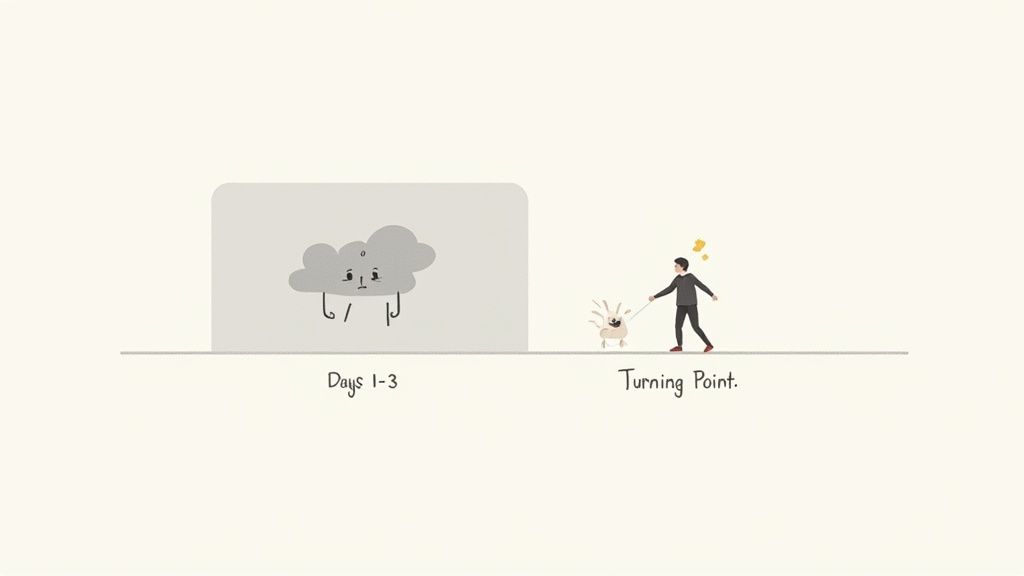
Days 1 To 3: The Fog
The first 72 hours are often nicknamed "The Fog," and for good reason. This is when the physical symptoms of sugar withdrawal really peak. Your body is basically throwing a tantrum because it's missing its usual quick-and-easy fuel source, leading to a bunch of uncomfortable (but temporary!) effects.
It can feel like you're trying to think and move through a thick haze. Simple tasks suddenly seem difficult, and your energy can completely bottom out. This is all a completely normal part of your system recalibrating.
Here are the most common things people experience during "The Fog":
- Pounding Headaches: Often the first and most frustrating sign. These pop up as your body adjusts to new blood sugar levels and your brain chemistry shifts.
- Deep Fatigue: You might feel an exhaustion that sleep can't seem to touch. This is your body learning to use more stable energy sources instead of relying on those rapid sugar spikes.
- Intense Cravings: Your brain will be screaming for sugar. These cravings can feel incredibly powerful as your dopamine reward system gets rewired.
- Irritability and Mood Swings: It's very common to feel cranky, short-tempered, or just emotionally all over the place when your "feel-good" chemicals are in flux.
Remember, the intensity of "The Fog" is actually a good sign—it means your body is actively healing and resetting itself. This discomfort is temporary and a necessary step toward feeling better than ever.
Days 4 To 7: The Turning Point
Just when you feel like "The Fog" might never lift, something shifts. Around day four, most people hit what I call "The Turning Point." The physical storm starts to quiet down, and you can finally see a light at the end of the tunnel.
The pounding headaches might fade to a dull ache or disappear completely. That bone-deep fatigue often starts to lift, giving way to small but welcome bursts of energy. The journey isn't over, but you’re starting to feel more like yourself again.
While the physical symptoms are easing up, some of the psychological ones can stick around. You might still be fighting off cravings or feeling a bit moody, but they’re usually far less intense than they were in those first few days.
This whole experience is backed by science. The mix of physical and psychological symptoms typically starts within hours of cutting out sugar, making the first week the most intense period. We know that high-sugar foods trigger a release of dopamine and natural opioids in the brain, which is why we feel withdrawal when it's suddenly gone. For a deeper dive into the science, you can discover more insights about sugar withdrawal symptoms on ChoosingTherapy.com.
What To Do During This Critical First Week
Getting through this first week is all about being prepared and giving yourself some grace. The goal isn't perfection; it's about supporting your body while it adapts.
Here are a few simple strategies that make a huge difference:
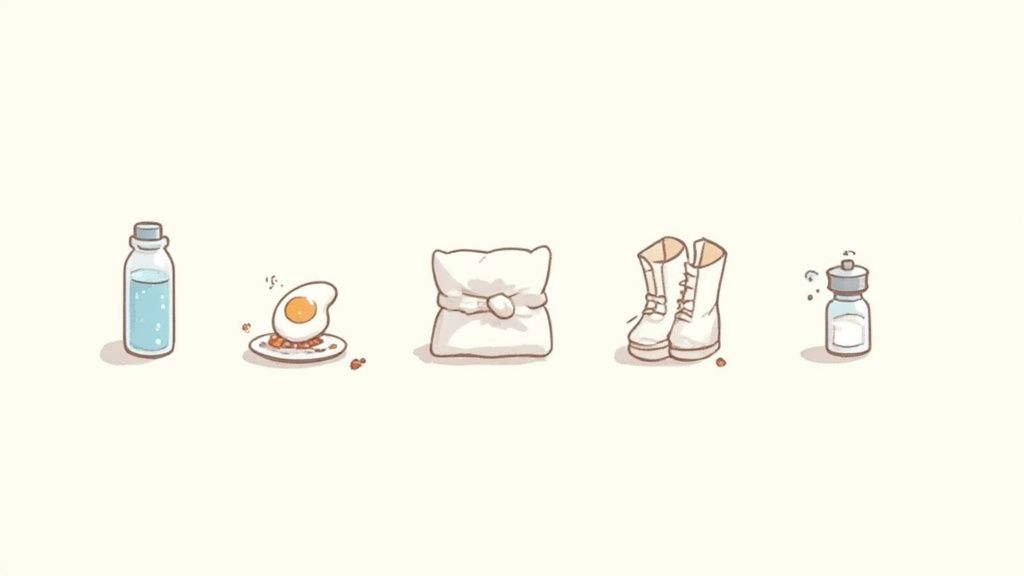
- Prioritize Hydration: Water is your absolute best friend, especially for fighting headaches and fatigue. Tossing in some electrolytes can help your body find its balance even faster.
- Focus on Nutrient-Dense Foods: Don't let yourself get hungry. Fill up on protein, healthy fats, and fiber to keep your blood sugar stable and take the edge off cravings. Think avocados, nuts, eggs, and leafy greens.
- Allow for Rest: Your body is working overtime. If you feel tired, rest. Pushing through exhaustion will only make everything feel worse. Gentle movement like a short walk can help, but always listen to what your body is telling you.
For a more structured plan, our guide to completing a 5-day sugar cleanse can be a lifesaver. It breaks everything down day-by-day to get you through the hardest part. By the end of this week, you’ll have weathered the worst of the storm and will be well on your way to feeling clearer and more energized.
So, What Shapes Your Personal Timeline?
Ever wonder why your friend can quit sugar and feel fantastic in three days, while you're still battling a headache a week later? It’s not just you. The truth is, there's no one-size-fits-all timeline for sugar withdrawal. Your journey is shaped by your own unique biology and habits.
Think of it like training for a race. Someone who has been jogging for months will have a very different experience than someone who's just getting off the couch. They’ll both cross the same finish line, but their pace, pain points, and recovery will be worlds apart. The same idea applies to kicking sugar.
Once you understand what's influencing your experience, you can set realistic expectations and give yourself a little grace. It’s not about comparing your progress, but about supporting your own body through the change.
How Much Sugar Were You Eating?
This is the big one. The biggest factor by far is how much sugar you were used to consuming before you decided to stop. Your body's reaction is all about the scale of the change it's being asked to make.
If you were downing a couple of sodas and a handful of processed snacks every day, you’re likely in for a more intense adjustment than someone who just enjoyed dessert on the weekends. When your brain's reward system is used to frequent, high-dose sugar hits, taking them away is a bigger shock to the system.
- Heavy Sugar Users: If your diet was packed with added sugars from drinks, sweets, and processed foods, your body simply needs more time to find its balance again. You can probably expect the physical and mental symptoms to be stronger, especially in that first week.
- Moderate Sugar Users: If sugar was more of an occasional thing for you, your withdrawal might feel much milder and pass more quickly. You’ll likely still get some cravings and maybe a headache, but they tend to be less disruptive.
Your Lifestyle and Biology Matter, Too
Beyond your past sugar habits, a few other key things influence how your body handles the transition. These factors can either be a helping hand or make the whole process feel a lot tougher.
Your overall health and daily routines lay the groundwork for your withdrawal experience. A solid foundation can make a world of difference. For instance, if you're already dealing with a lot of stress, your withdrawal symptoms can feel magnified because high cortisol levels often ramp up cravings and irritability.
Here are a few other things that play a role:
- Stress Levels: High stress makes everything feel harder, and quitting sugar is no exception. It can make mood swings feel more dramatic and cravings seem impossible to ignore.
- Sleep Quality: Not getting enough deep, restorative sleep can make you feel foggy and exhausted. This makes it tough to tell what's a withdrawal symptom and what's just plain tiredness.
- Hydration: This is a simple but powerful one. Dehydration is a very common trigger for headaches, so keeping your water bottle full is one of the easiest ways to manage that particular symptom.
- Overall Nutrition: If your diet is low on protein, fiber, and healthy fats, your blood sugar is more likely to be on a rollercoaster. This can make cravings and energy crashes feel much worse.
Your personal timeline isn’t a test of willpower. It’s a reflection of your unique body and lifestyle. Knowing this helps you shift from judging your progress to actively supporting your body as it adjusts.
Practical Ways To Manage Your Symptoms
Knowing what to expect from sugar withdrawal is one thing, but having a solid plan for getting through it is what really counts. Instead of just gritting your teeth and hoping for the best, you can arm yourself with a few practical strategies to handle whatever symptoms come your way.
This isn’t about being perfect. It’s about listening to your body and giving it what it needs. Think of these tips as your support crew, ready to help you navigate cravings, headaches, and fatigue so you can stay on track without feeling completely miserable.
Fight Cravings With Smart Nutrition
When a huge craving hits, your first instinct might be to fight it with sheer willpower. A much better approach is to give your body the nutrients it’s actually asking for, which will help stabilize your blood sugar—often the real culprit behind the craving.
Instead of reaching for something sweet, aim for a balanced snack or meal that combines protein, healthy fats, and fiber. This trio is a game-changer. It slows digestion, prevents the blood sugar spikes and crashes that fuel cravings, and keeps you feeling full and satisfied much longer.
Here are a few go-to options:
- A handful of almonds or walnuts: They deliver healthy fats and protein to take the edge off your hunger.
- Apple slices with peanut butter: The fiber from the apple and the fat and protein from the peanut butter work together to create a satisfying, stabilizing snack.
- Greek yogurt with berries: This gives you a great protein boost to keep your energy levels from dipping.
By stabilizing your blood sugar, you give your body less reason to scream for a quick fix. If you're looking for a more gradual plan, our guide on how to wean off sugar can walk you through it step-by-step.
Tackle Headaches And Fatigue Head-On
Headaches and a deep sense of fatigue are two of the most common complaints during the first week. They’re often tied to dehydration and an electrolyte imbalance as your body adjusts.
The fix is simple but powerful: stay hydrated. Drink water consistently throughout the day. To give yourself an extra edge, try adding a tiny pinch of sea salt or an electrolyte powder to your water. This helps your body hold onto hydration and function more efficiently.
Gentle movement can also work wonders for fatigue. A short, 15-minute walk might sound like the last thing you want to do, but it can boost circulation and release endorphins, giving you a natural lift in both energy and mood.
Support Your Mood And Mind
Feeling irritable and foggy? That’s your brain chemistry talking. These symptoms are a direct result of the chemical shifts happening in your brain, especially as your dopamine levels take a temporary dip.
While you can't instantly rewire your brain, you can definitely support it. First, make sleep a priority. When you’re well-rested, your body is much better at handling stress and regulating your mood. Aim for 7-9 hours of quality sleep each night.
Certain foods can help, too. Magnesium—found in leafy greens, nuts, and seeds—is crucial for brain function and can even help soothe those withdrawal headaches.
Quick Fixes for Common Symptoms
When you're in the thick of it, you need solutions—fast. Here's a quick-reference table to help you match your symptom with a strategy that works.
Symptom Management Cheat Sheet
| Symptom | Management Strategy | Why It Works |
|---|---|---|
| Intense Cravings | Eat a snack with protein, fat, and fiber (e.g., apple with almond butter). | Stabilizes blood sugar, reducing the "emergency" signal for sugar. |
| Headaches | Drink a large glass of water with a pinch of sea salt. | Rehydrates and restores electrolytes, which are often depleted during withdrawal. |
| Fatigue/Low Energy | Go for a 15-minute walk outside. | Boosts circulation and endorphins for a natural energy and mood lift. |
| Irritability/Mood Swings | Prioritize 7-9 hours of quality sleep. | Rest allows your brain and hormones to regulate more effectively. |
| Brain Fog | Eat magnesium-rich foods like spinach, almonds, or avocado. | Magnesium supports cognitive function and can help clear the mental cobwebs. |
Keep this cheat sheet handy. Sometimes, just knowing you have a tool for the job can make the entire process feel more manageable.
When You Should Talk To A Professional
Most people can get through sugar withdrawal at home just fine, especially with the right game plan. But sometimes, your body sends up a flare that says it needs a little extra help. Your health and safety always come first, so it’s important to know the difference between normal discomfort and a real red flag.
The question of how long sugar withdrawal symptoms last usually has a simple answer: about a week or two. If you're well past that window and things aren't getting better, or if your symptoms are so intense they're wrecking your daily life, it's probably time to talk to a pro.
Recognizing The Red Flags
Learning to listen to your body is key. A bit of a struggle is part of the deal, but some symptoms just aren't normal and you shouldn't try to tough them out. These are signs that your withdrawal is more severe than the average case, and getting a medical opinion is a smart move.
Think about reaching out to a doctor or a registered dietitian if you're dealing with any of these:
- Debilitating Headaches: I’m not talking about a dull ache you can ignore. This is the kind of severe, relentless headache that doesn’t let up, even after you’ve had plenty of water and rest.
- Extreme Mood Swings: It’s one thing to feel a little cranky. It’s another to have crippling anxiety, depression, or wild mood swings that are affecting your job, your relationships, or just your ability to get through the day.
- No Improvement After Two Weeks: If you’re past the 14-day mark and still feel just as bad as you did on day three, a professional can help figure out if something else is going on.
- Severe Nausea or Dizziness: A little bit of queasiness can be expected. But if you’re constantly nauseous, vomiting, or so dizzy it’s hard to stand up straight, that’s a clear signal to call your doctor.
Your well-being is the top priority. Asking for help isn't a sign of weakness—it's a sign that you're taking your health seriously. A professional can give you advice that’s designed for you, making sure your journey away from sugar is both safe and successful.
Common Questions About Quitting Sugar
When you decide to break up with sugar, a lot of questions are bound to come up. It's a big change! Getting clear answers can make the whole process feel less overwhelming and a lot more doable. Let's walk through some of the most common things people wonder about.
Should You Go Cold Turkey or Taper Off?
This is probably the biggest question on everyone's mind. The honest answer? It really depends on what works for you. There’s no one-size-fits-all approach.
Going "cold turkey" means you cut out all added sugars at once. It’s intense, and you’ll likely feel the full force of withdrawal symptoms in that first week. But for some people, a clean, decisive break is just simpler to manage and gets them past the worst of it faster.
The other option is to taper off, which is a more gradual process. You might start by eliminating sugary sodas for a week, then move on to cutting out desserts the next. This slower pace can make withdrawal symptoms feel less severe, even if it takes a bit longer to be completely sugar-free.
Will Quitting Sugar Help Me Lose Weight?
It's a definite possibility, but it's not a magic bullet. When you cut out sugary foods and drinks, you're often getting rid of a ton of "empty" calories. This alone can create the calorie deficit needed for weight loss.
But—and this is a big but—if you swap those sugary calories for other high-calorie foods, the scale might not budge. The real win comes from replacing sugar with nutrient-packed foods like lean proteins, healthy fats, and fiber-rich veggies. And it’s not just about weight; it's also important to sidestep common nutrition misinformation and misconceptions that can derail your efforts.
Think of it this way: Quitting sugar is more about boosting your metabolic health, getting stable energy, and calming inflammation. Weight loss is often just a very welcome side effect of these smarter choices.
What Are The Best Foods To Eat?
To really set yourself up for success, you need to arm your kitchen with foods that keep your blood sugar steady and cravings in check. This is your best defense against withdrawal.
Here are the staples you'll want to have on hand:
- Healthy Fats: Think avocados, nuts, and seeds. They provide long-lasting energy and help you feel full, which quiets that little voice asking for something sweet.
- Lean Protein: Chicken, fish, eggs, and beans are your best friends. They are crucial for keeping your blood sugar stable and preventing the energy crashes that send you running for a sugar fix.
- High-Fiber Foods: Load up on berries, leafy greens, and whole grains. Fiber slows down digestion, helping you feel satisfied for longer and avoiding those nasty blood sugar spikes and dips.