can you have withdrawals from sugar? Signs & Tips
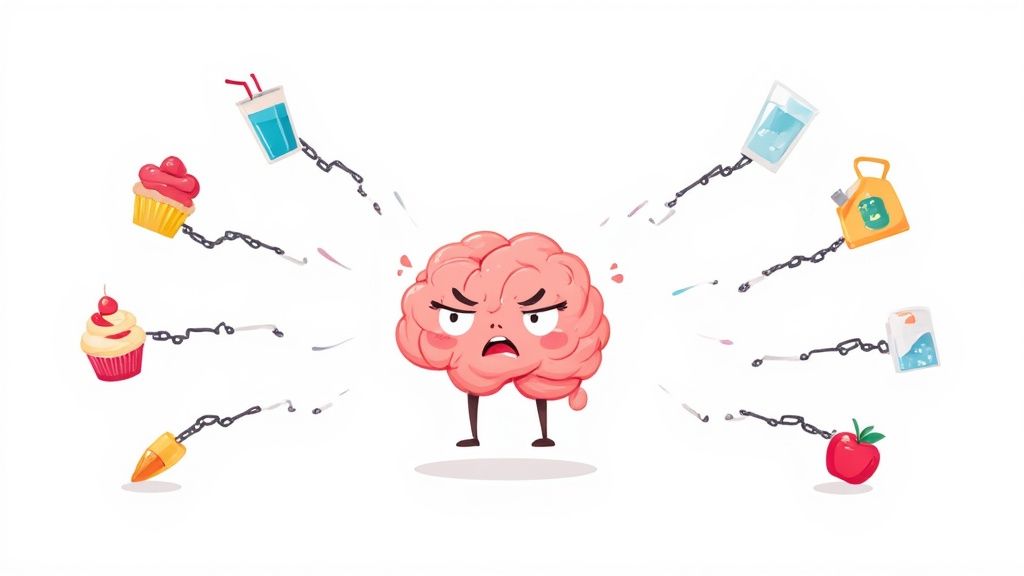
Yes, sugar withdrawal is a real thing. Anyone who has tried to cut back on sweets knows this feeling all too well. When you drastically reduce your sugar intake, your brain and body go through a very real, and sometimes intense, adjustment period.
This isn't just a matter of weak willpower; it's a deep-seated biological response to removing a substance your system has come to rely on.
Why Quitting Sugar Feels So Difficult
If you've ever felt moody, mentally foggy, or just plain exhausted after ditching dessert, you're not imagining it. Think of it as your body's internal thermostat needing a hard reset. For a long time, sugar has been lighting up the reward centers in your brain, creating a powerful loop of craving and temporary satisfaction.
When you suddenly break that cycle, your system has to re-learn how to operate without that constant jolt. This recalibration process is what we call withdrawal, and it often brings a host of uncomfortable—but temporary—symptoms along for the ride.
What to Expect When You Quit
Going cold turkey on sugar can trigger a wide range of both physical and mental side effects. Studies show that symptoms typically peak within the first 2 to 5 days, with intense cravings and irritability often leading the pack.
You might also wrestle with headaches, fatigue, brain fog, and noticeable mood swings. It's a challenging phase, to be sure.
The feelings are very real. Your body is essentially protesting the removal of a substance that provided quick, easy energy and triggered feel-good chemicals in the brain.
To give you a clearer picture, here's a quick rundown of what you might experience.
Common Sugar Withdrawal Symptoms at a Glance
This table offers a quick summary of the most frequently reported physical and psychological signs you might encounter.
| Symptom Category | Common Examples |
|---|---|
| Psychological | Irritability, anxiety, mood swings, difficulty concentrating (brain fog) |
| Physical | Headaches, fatigue, dizziness, nausea |
| Cravings | Intense desire for sugary foods and drinks |
Recognizing these symptoms for what they are—a predictable biological process, not a personal failure—is the first step toward successfully managing them. It empowers you to see the bigger picture and push through the discomfort.
The good news? This phase doesn't last forever. What's waiting on the other side is a more stable, energized, and clear-headed you. To prepare yourself fully, you can dive deeper into our complete guide to sugar withdrawal symptoms.
How Sugar Affects Your Brain's Reward System
To really get why kicking sugar can feel so tough, we need to peek under the hood at what's happening in your brain. Your brain has a built-in "reward system" that's wired for survival. When you do something good for yourself, like eating a nutritious meal, it releases a little bit of a feel-good chemical called dopamine. This is the brain's way of saying, "Hey, that was good! Do it again."
But when you eat sugar, it's not a gentle nudge—it's like flooring the gas pedal on that reward system. Sugar triggers a massive flood of dopamine, creating a powerful wave of pleasure that your brain instantly flags as something incredibly important to repeat. It’s a much bigger high than you’d ever get from a piece of fruit or a plate of vegetables.
The Cycle of Craving and Tolerance
If you keep hitting your brain with these intense sugar-fueled dopamine surges, it starts to adapt. To protect itself from being constantly overwhelmed, it begins to turn down the volume by reducing the number of dopamine receptors. Think of it like listening to music that's way too loud; eventually, you just get used to it and it doesn't sound as loud anymore.
This is how you build a tolerance. Soon, you need more and more sugar just to get that same original feeling of pleasure. This is a huge reason why quitting is so challenging.
When you suddenly cut out sugar, your brain’s reward system, which has gotten used to running on super-charged fuel, is left high and dry. Dopamine levels plummet, and that's what triggers the miserable withdrawal symptoms.
The irritability, mood swings, and powerful cravings aren't a sign that you lack willpower. They are the direct, predictable result of your brain's chemistry trying to rebalance itself after being on the sugar rollercoaster.
This isn't just a theory; it's backed by solid science. Research shows that consistent sugar intake physically changes the brain's reward pathways, especially the dopamine and opioid receptors. You can read more about the neurobiological roots of sugar withdrawal on PMC.
This chemical imbalance is what makes the fight so real. Your brain is essentially sounding an alarm, sending out intense cravings to get the dopamine hit it's come to expect. Understanding this biological process is the first step to taking back control. If you're curious to learn more, our guide on what dopamine addiction is is a great next step.
Navigating the Sugar Withdrawal Timeline
If you've ever asked, "Can you have withdrawals from sugar?" the first week of cutting it out will give you a very clear answer. Knowing what to expect during this time can make the whole process feel less overwhelming. Your body follows a pretty predictable pattern as it adjusts to life without a constant stream of added sugar.
Think of it like a short but intense storm passing through before the calm sets in. When you understand the typical phases, you can mentally and physically prepare for what's ahead, turning a daunting challenge into a series of manageable steps.
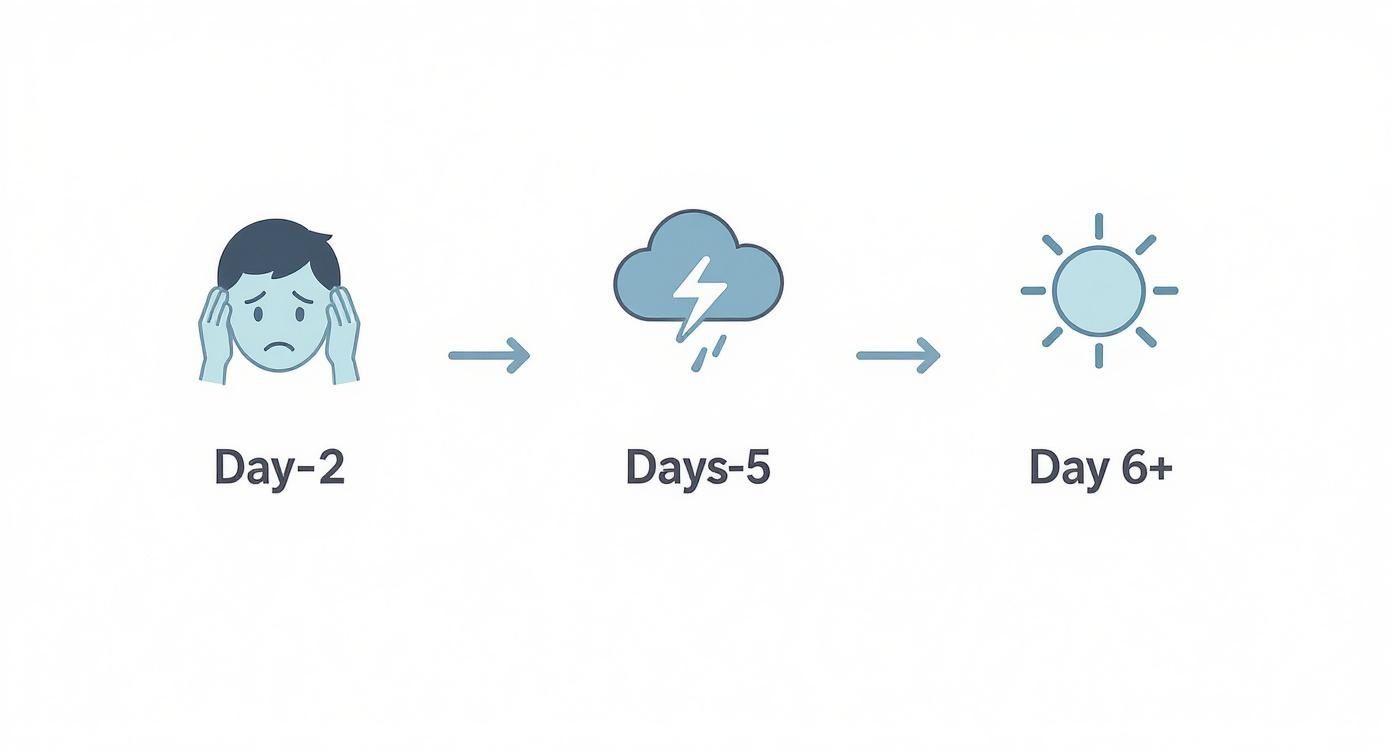
The First 48 Hours
The first wave of symptoms usually hits within the first one to two days. This is your body, used to getting quick-and-easy energy from sugar, starting to protest its sudden absence.
You'll likely notice a nagging headache and the first real pangs of cravings. These are just physical signals that your system is starting to recalibrate. My best advice? Drink plenty of water and have healthy, sugar-free snacks ready to go. This is crucial for getting through the initial hump.
Peak Intensity: Days 3 to 5
This is often the toughest stretch. From day three to five, your withdrawal symptoms can really ramp up as your brain chemistry works overtime to find a new balance without sugar's constant influence.
It’s completely normal to feel intensely tired, mentally foggy, and more irritable than usual. Mood swings can feel pretty dramatic as your dopamine levels adjust. Just remember, this is temporary and a sign that your body is genuinely healing itself.
This next section gives you a day-by-day look at what to expect as your body and mind adjust.
A Typical Sugar Withdrawal Timeline
Here’s a breakdown of what you might feel during the first week. Everyone is different, but this timeline covers the most common experiences.
| Timeframe | Common Physical Symptoms | Common Psychological Symptoms |
|---|---|---|
| Days 1-2 | Headaches, strong sugar cravings, low energy | Feeling irritable, mild anxiety |
| Days 3-5 | Peak headache intensity, fatigue, nausea, muscle aches | Intense cravings, mood swings, brain fog, difficulty concentrating |
| Days 6-7 | Symptoms begin to fade, energy levels start to stabilize | Cravings become less frequent, mood improves, mental clarity returns |
As you can see, the most difficult symptoms are usually short-lived. Pushing through this peak period is the key to unlocking the long-term benefits.
The Turning Point: Day 6 and Beyond
Once you push past day five, you’re through the worst of it. From day six onward, most people feel a significant drop in the intensity of their symptoms.
The headaches start to fade, your energy becomes more stable, and those all-consuming cravings become much less frequent and far easier to manage. This is where you truly start to feel the positive results of your hard work, setting you up for long-term success.
Actionable Strategies to Ease Your Symptoms
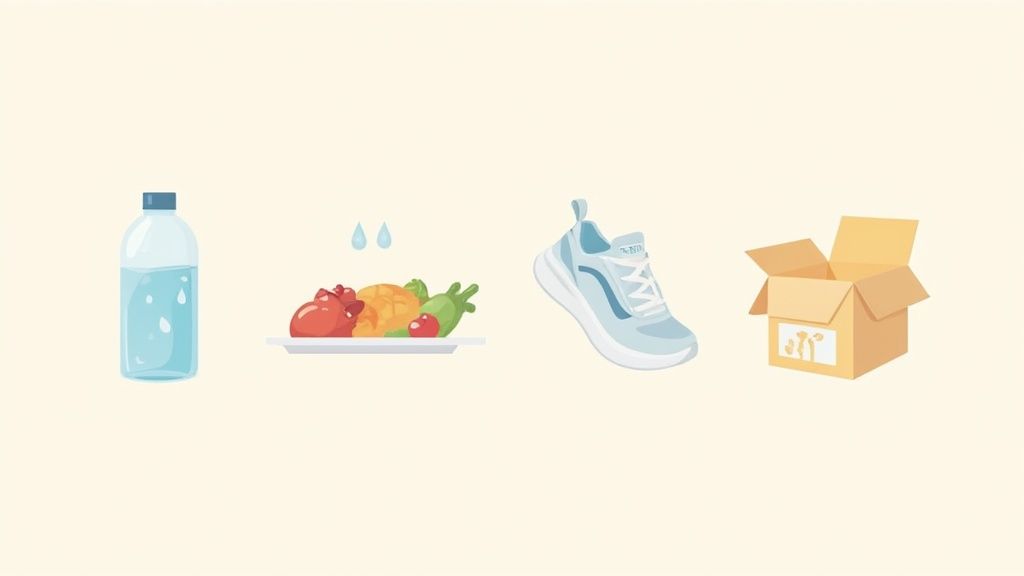
Knowing that sugar withdrawal is real is one thing. Actually having a plan to deal with it? That’s what makes all the difference. Instead of just gritting your teeth and hoping for the best, you can take simple, proactive steps to make the whole process a lot smoother.
The secret is to support your body while it finds its balance again. These aren’t complicated life hacks, just powerful tools to help you feel better, faster.
Hydrate and Stabilize Your System
Sometimes the simplest things are the most effective, and water is at the top of that list. Dehydration can make withdrawal headaches feel so much worse. Drinking plenty of water all day long helps minimize the pain and keeps your energy from totally tanking.
Next, let's talk food. Your main goal is to get off the blood sugar rollercoaster. The best way to do that is by building your meals around two powerhouse nutrients:
- Protein: Think chicken, fish, beans, and lentils. These foods digest slowly, giving you a steady stream of energy that prevents cravings and keeps you feeling full.
- Fiber: Found in veggies, fruits, and whole grains, fiber also slows down digestion and is critical for keeping your blood sugar stable.
When you focus on these foods, you’re giving your body the consistent fuel it needs, so it stops screaming for a quick sugar fix.
Move Your Body and Plan Ahead
Never underestimate the power of a little movement. When you’re feeling irritable or just plain blah, even a short walk can be a game-changer. Exercise naturally boosts your mood by releasing endorphins—your brain’s own feel-good chemicals—which can help offset that dopamine dip from cutting out sugar.
Another key to success is planning ahead. When a massive craving hits, your willpower is at its weakest. If you have healthy, satisfying snacks ready to go, you won’t find yourself reaching for the first sugary thing you see.
Planning isn't about restriction; it's about empowerment. By having go-to healthy options ready, you remove the guesswork and make the right choice the easy choice.
As you start making these adjustments, you can also look into other practical strategies to reduce sugar intake without feeling like you're missing out.
These steps will help you navigate the physical and mental hurdles of quitting sugar. For even more targeted advice, our guide on how to effectively reduce sugar cravings dives deeper into techniques to support your journey. You can find it here: https://stopsugar.app/blog/reduce-sugar-cravings
The Long-Term Benefits of Reducing Sugar
Getting through that first tough week of sugar withdrawal is so much easier when you know what’s waiting for you on the other side. The discomfort is temporary, but the positive changes you'll feel are built to last. This isn't about restriction; it's about setting yourself up for a healthier, more vibrant life.
Once the initial fog lifts, one of the first things people notice is a huge difference in their energy. You'll stop relying on sugary snacks for that quick, unreliable jolt that always ends in a crash. Instead, your body learns to burn more stable fuel, giving you steady energy that lasts all day.
Say goodbye to that dreaded afternoon slump.
Enhanced Clarity and Mood Stability
It’s not just your body that gets a boost—your mind does, too. Many people report a sharper focus and much better mental clarity once the brain fog from withdrawal is gone. Without the rollercoaster of blood sugar spikes and crashes, your mood also becomes far more stable and predictable.
This newfound stability is a game-changer. It means fewer moments of unexplained irritability or anxiety, leading to a calmer and more consistent emotional baseline.
You start to feel more in control of your emotional responses, which is an incredibly empowering feeling.
Better Skin and Overall Health
The benefits aren’t just internal; you’ll see them in the mirror as well. A diet high in sugar is a recipe for inflammation, which can show up on your skin as acne and premature aging. Cutting back on sugar helps calm that inflammation down, often leading to a clearer and more radiant complexion.
Beyond your skin, lowering your sugar intake usually inspires healthier eating habits in general. You start to see how how broader dietary choices impact skin health and so much more. Pushing through those first few days unlocks a whole host of powerful benefits that make the effort completely worthwhile.
A Few Common Questions About Quitting Sugar
Even with a solid plan, you're bound to have questions as you start cutting back on sugar. Getting answers to these common concerns can give you the confidence to stick with it, especially when things feel a little tough. Let's dive into what people usually ask when they decide to finally kick the sugar habit.
How Long Do Sugar Withdrawals Actually Last?
For most people, the worst of the physical stuff—think headaches, brain fog, and just feeling wiped out—really hits its peak in the first few days. After about a week, you should start to feel much better. It's a short, intense hump to get over.
The mental side of things, like cravings and mood swings, can stick around a bit longer, sometimes for a few weeks. But even those will become less powerful and less frequent as you go. Honestly, how long it takes really depends on how much sugar you were eating before and your own unique body chemistry.
Will I Get Withdrawals From Cutting Out Fruit?
It's extremely unlikely. The sugar in whole fruit comes bundled with fiber, water, and nutrients, which is a world away from the sugar in a candy bar.
This natural packaging slows down how your body absorbs the sugar, so you don't get those wild blood sugar spikes that added sugars cause. Sugar withdrawal is almost always tied to the refined, added sugars you find in sodas, sweets, and all sorts of processed foods.
Think of it this way: Nature gave fruit its own built-in braking system (fiber) to handle the sugar. Processed foods have had that system ripped out, which is why your body reacts so intensely to them.
Should I Quit Sugar Cold Turkey or Reduce It Gradually?
There's no one-size-fits-all answer here—it really comes down to what works for you and your personality. Both ways have their upsides and downsides.
- Quitting Cold Turkey: This route usually means a shorter, but much more intense, withdrawal period. It can be a great option if you’re the kind of person who likes to rip the band-aid off quickly.
- Reducing Gradually: Easing into it by cutting back bit by bit often leads to milder, more manageable symptoms. For a lot of people, this slow-and-steady approach feels more sustainable in the long run.
Think about what feels right for your mindset. If you're using the StopSugar app, you can easily track your progress and how you're feeling either way, which helps you figure out which method is your best bet.