How to Stay Motivated on a Diet: Simple, Real-World Tips

Focus on the little victories. Notice how much lighter you feel after a week of balanced meals—that lift fuels real momentum. Reward yourself whenever you hit a milestone and watch your energy stay sky-high.
Understanding Core Diet Motivation Techniques
True motivation sparks when you can track wins right away. Without that boost, a big goal starts to feel overwhelming. Mixing quick rewards with mindset shifts turns every healthy choice into a win.
- Celebrate weekly check-ins with a 10-minute relaxation ritual.
- Split a 20-pound target into 1-pound milestones.
- See each meal as a deliberate move toward better health.
Immediate Rewards
Give yourself a small treat after nailing a mini goal. For Sarah, swapping a splurge dinner for a short walk or a chapter of her favorite novel became a satisfying ritual. That instant payoff keeps her focus sharp week after week.
Research shows that setting short-term targets, pairing them with clear rewards, and framing benefits upfront can boost on-time adherence by 15–30%. Learn more on nutrition and physical activity.
Rewarding mini wins shifts focus from weight alone to daily progress.
Milestone Mapping
Breaking a 20-pound goal into one-pound steps builds unstoppable momentum. Each checkpoint feels attainable, and every success ties back to the bigger picture.
- Weigh in every Friday at 8:00 AM.
- Track meals and moods with StopSugar notes.
- Hold a weekly review to celebrate what’s working.
Positive Framing
How you talk about food matters. Instead of “I can’t have cake,” try “I’m choosing energy-packed veggies.” That simple shift puts you in control and turns nutrition into an empowering decision.
When you pass on a sugary snack, remind yourself, “I’m choosing lasting energy.” Stick a note—“I fuel my body”—on the fridge and notice how your mindset changes over a few weeks.
Motivation Strategies Overview
A quick comparison of core diet motivation techniques, their benefits, and how to put them into action.
| Strategy | Benefit | How to Apply |
|---|---|---|
| Immediate Rewards | Instant satisfaction | Schedule a short break or treat right after a healthy meal |
| Milestone Mapping | Manageable progress | Set weekly 1-pound targets and track every Friday morning |
| Positive Framing | Empowered choices | Rephrase diet actions as steps toward lasting health |
Each of these methods builds on the others to keep you moving forward. Check out our guide on building healthy habits for more tips on staying motivated.
Pair these strategies with a simple weekly routine to lock in results:
- Monday: Weigh in and decide on your mini reward.
- Wednesday: Midweek check with a positive mantra on your fridge.
- Friday: Review your wins and enjoy a non-food treat.
Consistency, clear gains, and a dash of celebration turn healthy eating into a series of wins you’ll look forward to every day. Enjoy the process.
Setting Clear Goals And Tracking Progress
Vague intentions rarely last. Instead, pinpoint exactly what you’ll do—and when. Swap “eat better” for “log meals daily”, and suddenly you have something you can measure.
Take Max, for example. A project manager juggling deadlines, he snaps a quick photo of every meal each evening. Then he reviews his weekly progress, noting how pizza on Wednesdays nudges his weight trajectory.
Here's an infographic that visualizes how reward triggers, milestone markers, and positive framing interact in diet motivation.
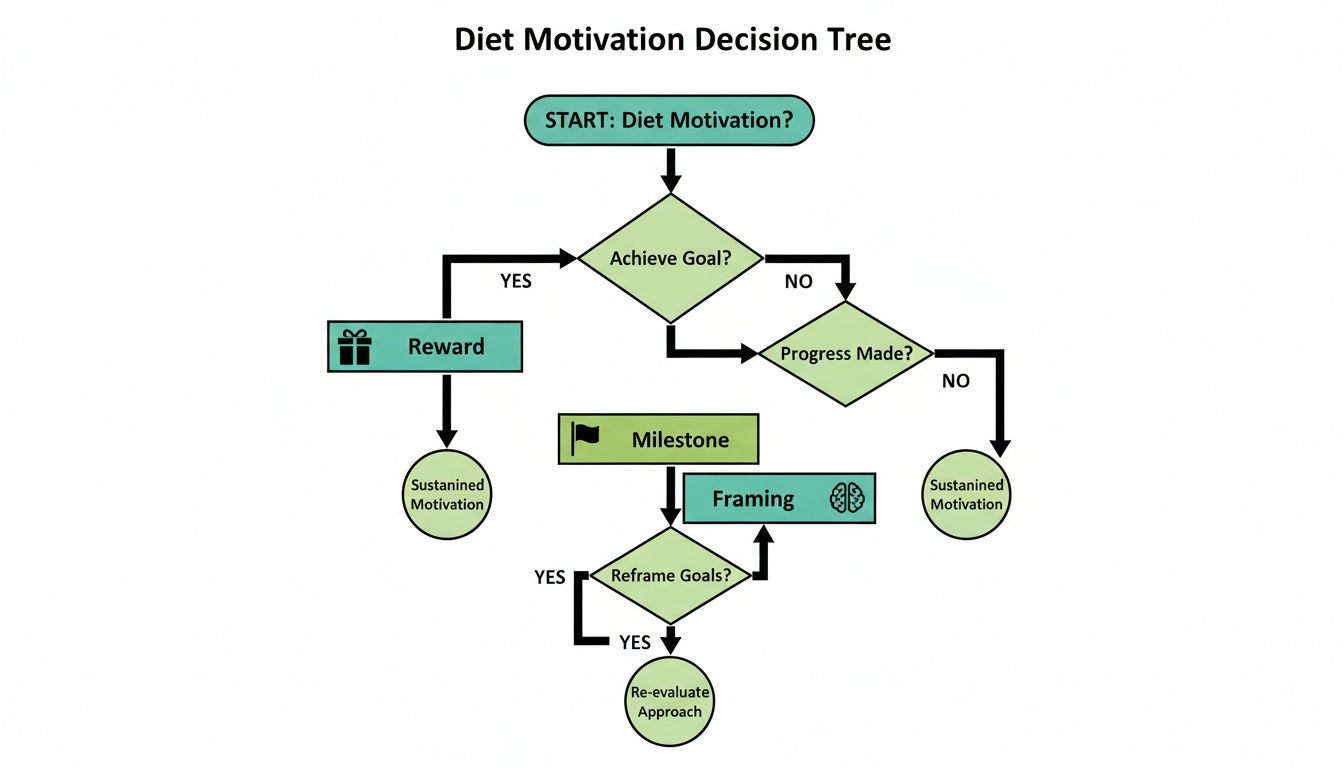
Over time, you’ll see that linking small rewards to clear milestones keeps your motivation sharp. In fact, research backs this up: a meta-analysis of 45 studies showed that regular food logs and weekly weigh-ins drove an extra 2–4 kg of weight loss over 6–12 months. Read the full findings.
Why SMART Goals Work
SMART goals turn a mountain into a series of manageable steps:
- Specific – Note exactly what you’ll track (like meal photos).
- Measurable – Choose a metric: calories, servings, or check-ins.
- Achievable – Don’t aim so high you burn out by week two.
- Relevant – Match your targets with your daily energy and schedule.
- Time-Bound – Set deadlines, such as a “Sunday meal-review.”
By breaking big ambitions into bite-sized tasks, you dodge overwhelm and see steady progress.
Max’s Meal Planning Hacks
Overwhelmed by choices? Max isn’t. He leans on simple routines:
- Cook a protein in bulk for three days and freeze the rest.
- Portion snacks into jars—grab-and-go style.
- Spend five minutes each night logging mood and hunger levels.
Those few minutes of habit-forming keep him honest and reduce decision fatigue.
Progress Tracking Methods
Below is a quick overview of popular tracking approaches. Pick one that matches your routine—and stick with it.
| Method | Frequency | Key Benefit |
|---|---|---|
| Food Photo Log | Daily | Visual record of every bite |
| Weigh-In | Weekly | Tracks scale momentum |
| App Tracker (StopSugar) | Real-time | Combines mood with diet patterns |
No single tool is a magic bullet. The real power comes from consistency—so choose what you’ll actually use.
Choosing Tracking Tools
Your lifestyle should guide your choice. Here’s a quick look at three approaches:
- Paper diaries work offline and keep you tech-free.
- Apps like StopSugar let you log mood alongside meals.
- A kitchen scale adds precision to portion control.
Consistent tracking turns invisible choices into visible wins.
Review your data weekly. You’ll spot patterns—like midweek snacking—that you can adjust without stress. Over three months, users who did this fine-tuning shed an extra 3 kg on average.
Keep It Consistent
Long-term success is about steady effort, not sprinting. Set a recurring reminder:
- Block out five minutes after dinner for a quick log or weigh-in.
- Reward yourself with something small—a new playlist, a hot bath—after each check.
Small, reliable habits build real, lasting change.
Building Social Support And Accountability
Surrounding yourself with supportive people can be a game-changer. When your circle knows what you’re aiming for, every check-in becomes fuel for your motivation. Below are ways to tap into both structured and casual networks.
Formal Support
Signing up for a coach or workshop lays out clear checkpoints and expert advice. In my experience, weekend meetups spark friendships among folks with the same goals—making weigh-ins and recipe swaps feel fun.
- Set a shared weight target, then celebrate each milestone with a group high-five or a virtual badge.
- Use a shared calendar for monthly check-ins to keep momentum alive.
- Rotate host duties so everyone leads a healthy recipe demo at least once.
Studies show that programs with regular coach contact yield an additional 1.5–3.0 kg weight loss at six months and boost success rates by 10–25% compared to solo efforts. Learn more about group support outcomes in this WHO report.
Key InsightConnecting with a coach boosts accountability and can amplify weight loss by up to 25%
Those scheduled check-ins help you catch small slip-ups before they solidify into habits. And when everyone knows the next step, confusion simply disappears.
Informal Connections
Pairing up with a friend can turn dieting into a team sport. A quick “I’m on it” text each morning creates a ritual that keeps both of you honest.
Take Jessica’s story: every day she sent her partner a five-second workout update. Suddenly, her consistency shot through the roof. Or try a local weekend challenge where weigh-ins become a laughter-filled ritual.
- Agree on check-in times that suit you both.
- Track something simple—step counts or meal photos—to stay objective.
- Celebrate mini-wins with social shout-outs and a custom hashtag.
Tag your journey with #SugarFreeSquad to spark group enthusiasm. Then track progress in a shared online sheet or chat thread so everyone sees real-time gains.
- Post midweek updates to sustain focus.
- Host a monthly mini-contest for recipe creativity.
- React to achievements with emojis or comments to boost morale.
Want more ideas? Dive into our guide Accountability For Weight Loss to build routines that stick.
Blending formal groups with casual check-ins turns every healthy step into a shared celebration. Those small victories multiply into habits you’ll keep for years. Enjoy the journey.
Creating Daily Routines And Habit Triggers
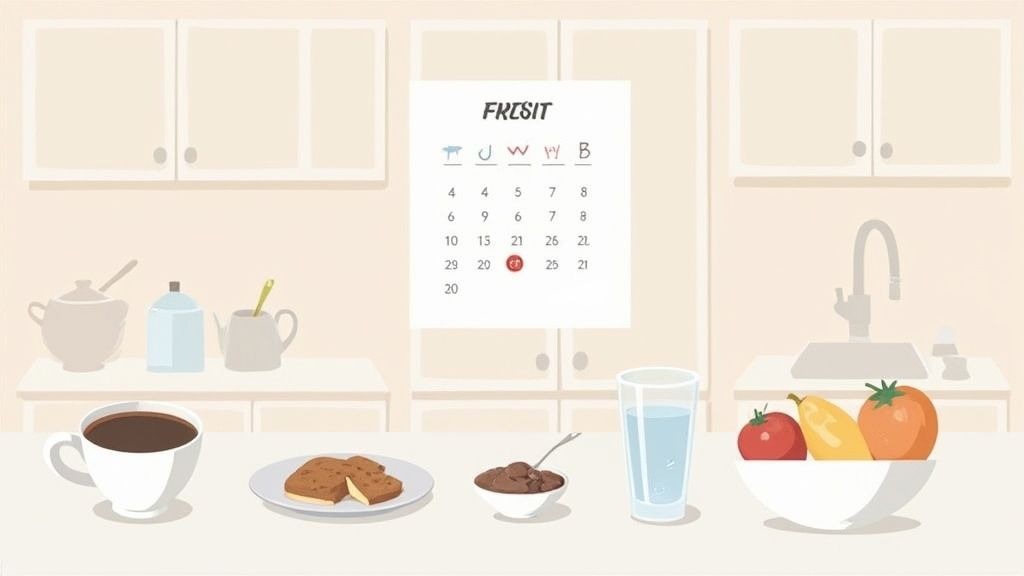
Turning a handful of morning and evening habits into automatic behaviors is the secret to keeping your diet humming along. Small tweaks in your daily flow set you up for lasting success.
Designing A Morning Ritual
Pairing your first cup of coffee with a protein hit kickstarts both focus and fullness. Imagine brewing fresh roast while you scoop Greek yogurt into a bowl.
This combo not only brightens your mood but also cuts mid-morning cravings. Habit stacking this practice—right after you wake—can boost your follow-through by 45%.
- Brew coffee the moment your alarm rings
- Prep single-serve yogurt cups or boiled eggs the night before
- Eat before grabbing your phone to stay distraction-free
Evening Review And Prep
A quick wind-down routine ties the day together and paves the way for tomorrow’s wins. In just five minutes, jot down how each meal made you feel.
Then toss sliced fruit or mixed nuts into grab-and-go packs. A simple phone reminder at 8 PM turns this into a non-negotiable ritual.
- Note hunger levels or mood shifts on a small notepad
- Portion snacks into clear containers
- Set your nightly alert to nudge you into action
Consistent evening prep turns chaotic mornings into calm starts.
Habit Stacking And Environment Tweaks
Weave new habits into moments that already exist. After brushing your teeth, reach for a full glass of water. Stash a bottle on your nightstand as a visual cue.
Where you place snacks matters just as much. Keep fresh fruit front and center on the counter—out of sight means out of mind. And don’t forget to celebrate tiny wins: reward yourself after three straight days with a short walk or an episode of your favorite podcast.
To explore more tools that help you track these triggers seamlessly, check out our guide to the best habit-tracking apps.
Below is a quick comparison of two reinforcement tools:
| Trigger Method | Benefit | How To Use |
|---|---|---|
| Calendar Reminders | Prompts routine adherence | Schedule daily alerts for reviews |
| Visual Cues | Reduces decision load | Display healthy snacks in plain sight |
Practical tools like habit trackers, simple tables, and visual prompts make sticking to routines easier. By weaving these triggers into your days, you move from wishful thinking to automatic healthy choices.
Reinforcing Micro Rewards
Every small victory deserves recognition—this fuels your drive. After three solid days of your new routine, treat yourself to a five-minute read during lunch or a favorite song.
Keeping rewards small and aligned with your interests can boost motivation by 30%.
- Choose perks that support, not derail, your diet goals
- Keep a running list of rewards on your fridge or phone
- Swap ideas with friends to keep things fresh and fun
Managing Cravings And Using Digital Tools
Cravings can sneak up and feel like an uphill battle. Admitting those urges exist puts you back in the driver’s seat. From there, you can practice urge surfing—watch each craving crest and then fade away.
Smart Food Swaps
Swapping that candy bar for dark chocolate covered almonds brings a dose of fiber and antioxidants, cutting the sugar rush in half.A small bowl of frozen berries with Greek yogurt adds bulk and protein without spiking blood sugar.Crunchy roasted chickpeas mimic chip cravings and keep you full longer.
- Dark Chocolate Almonds: Slow sugar absorption and pack antioxidants.
- Frozen Berries + Greek Yogurt: Natural sweetness with protein support.
- Roasted Chickpeas: High in protein and fiber to curb afternoon hunger.
Urge Surfing And Tracking
The StopSugar app helps you record cravings, mood shifts, and triggers as they happen. Tracking daily entries quickly highlights patterns—maybe late-night stress or post-meeting slumps.
Before logging anything, pause to sense the tension in your body, give that urge a score from 1 to 10, and then breathe slowly for two minutes. Often the craving peaks and then dissolves on its own.
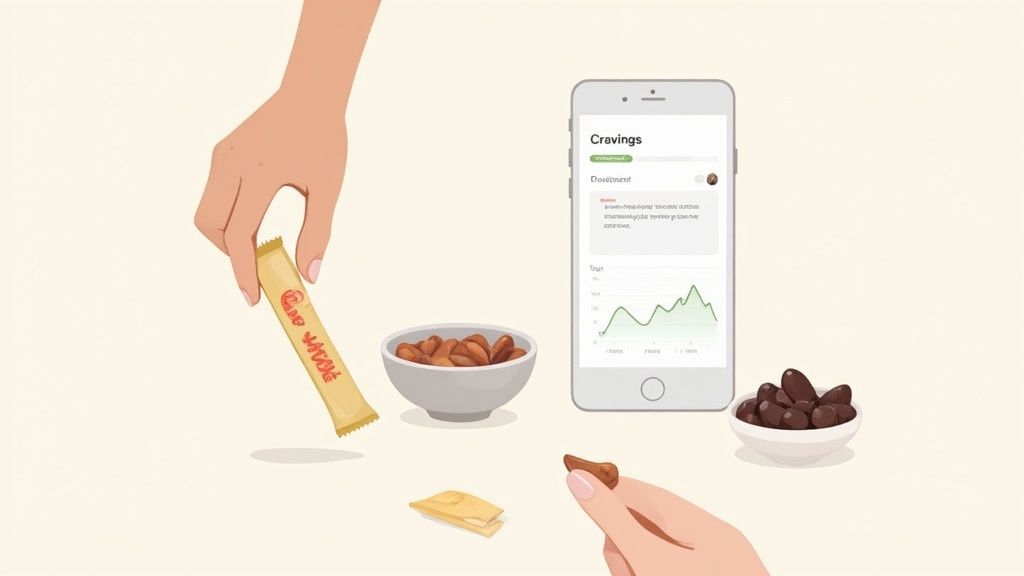
You’ll spot a heatmap showing evening urges peaking around 8 PM before they taper off. Quick prompts let you note a sudden craving or mood change in just seconds. Reviewing your log every week uncovers stress-related triggers you never noticed.
Reviewing your craving log each Sunday helped one user cut evening snacking by 70%
Data Driven Wins
Small adjustments in your routine can lead to big results. One user cut sugar intake in half simply by dimming screens after dinner and switching to a short walk.
| Metric | Before StopSugar | After Four Weeks |
|---|---|---|
| Evening Snacks | 5 per week | 1 per week |
| Sugar Craving Intensity | 8/10 | 3/10 |
Consistent logging keeps accountability at your fingertips and sparks those “aha” moments.
Panic Button And Mood Tracking
When an urge feels urgent, tapping the Panic Button in StopSugar offers a quick distraction challenge. Users report these mini-tasks slashed impulse bites by 45% in the first month.
- Panic Button: On-the-spot coping tasks.
- Alternative Suggestions: Fruit slices, herbal tea, or a three-minute walk.
- Mood Tracker: Visual chart of emotions against craving spikes.
Jenny, a marketing manager, hit the Panic Button during a stressful afternoon meeting and swapped cookies for a brisk stroll. She logged a two-point mood boost by day’s end.
The Panic Button feature was a lifesaver during work meetings, cutting sugar binges by nearly half
Combining real-time nudges, smart swaps, and urge surfing turns a diet from a chore into a series of small victories. Start tracking now and watch those cravings lose their hold.
Recovering From Setbacks And Sustaining Momentum
Even the most disciplined dieter hits a rough patch now and then. A quick, focused recovery habit can pull you back on track and remind you why you began this journey.
Start by jotting down exactly what sent you off course and how you responded.
- Note the specific trigger and setting to avoid second-guessing.
- Record how you felt—both physically and mentally—when cravings struck.
- Pick one small tweak—maybe shifting a snack to 3 PM or swapping a recipe—for next time.
Turning these moments into mini-lessons keeps you learning instead of making excuses.
Consider how coach Mia handled her afternoon slump. She moved her snack to 3 PM and noticed fewer evening cravings. Or take Tom: he traded one big weekend binge for two smaller treats on Saturday and Sunday, keeping indulgences balanced.
Mindset Shifts That Work
Shifting your focus from “perfect or bust” to steady progress is a game-changer. When one meal goes off plan, remind yourself it doesn’t erase all the healthy choices you’ve made.
Key TakeawayTreat every slip as a clue, not a failure. Staying curious and adjusting without shame keeps motivation alive.
Reframe each setback as a data point. Log every misstep, look for patterns, and adjust weekly.
| Trigger | Response | Next Action |
|---|---|---|
| Stress | Ate outside plan | Try a 5-minute breathing break |
| Fatigue | Skipped dinner | Prep a quick protein snack |
| Social Event | Overindulged | Choose balanced portions |
Recovery Plan Checklist
After a slip, lean into this mini-routine:
- Pause and breathe for two minutes
- Journal the trigger and your reaction
- Plan a snack swap or meal tweak for next time
These small checks will keep your momentum rolling. Over time, a single off day becomes just another data point—not a derailment.
Sustaining Long-Term Momentum
Progress over perfection should be your mantra. Track your rebounds with the StopSugar app to see improvements in real time.
- Bridges the gap between setbacks and goals
- Stops one bad day from snowballing into weeks off track
- Builds confidence through consistent self-reflection
Each recovery habit you lock in today makes tomorrow’s slip-ups easier to handle. Keep your goals in sight, lessons in hand, and motivation at full throttle.
FAQ
Catching Up On Missed Logs
It’s normal to skip a day of tracking when life gets hectic. Rather than beating yourself up, just merge yesterday’s and today’s meals into one entry. You’ll keep your streak alive without the guilt trip.
If tracking slips become a pattern, carve out a weekly catch-up slot. A quick review every Sunday evening can keep you on top of your habits—and far from overwhelm.
Key TakeawayBack-logging meals keeps your momentum going and your motivation intact.
- Adjust your tracking window to match busy days
- Set an end-of-day reminder on your phone
- Allow flexible review periods when needed
Finding An Accountability Partner
Having someone to check in with turns “I should” into “I will.” Reach out to a friend, family member, or join a StopSugar group where everyone’s chasing similar goals. Try different routines—daily texts, weekly video calls or app check-ins—and see what sticks.
- Pick someone who actually shows up and cheers you on
- Agree on check-in times and methods from the start
- Swap recipe ideas and progress snapshots to keep things fresh
After about a month, pause and evaluate. If messages slow down, tweak your schedule or try a new buddy. Fresh feedback is fuel for your diet journey.
Using Reward Systems Wisely
Rewards can spark excitement—just keep them non-food based. Instead of a chocolate bar, treat yourself to a 10-minute massage or a brand-new workout playlist.
| Reward Type | Example | Frequency |
|---|---|---|
| Self-Care Break | 10-Minute Meditation | After 3 Tracking Days |
| Entertainment | New Song Download | Weekly Milestone |
| Hobby Investment | Art Supplies or a Book | Monthly Milestone |
Every 4–6 weeks, revisit your targets and rewards. If progress stalls or energy dips, tweak your goals or shuffle the prize lineup. That way, staying motivated on your diet always evolves with your real-world results.
Keep going—small wins add up to big changes. You’ve got this!