Your Ultimate Low Fructose Fruits and Vegetables List for 2025
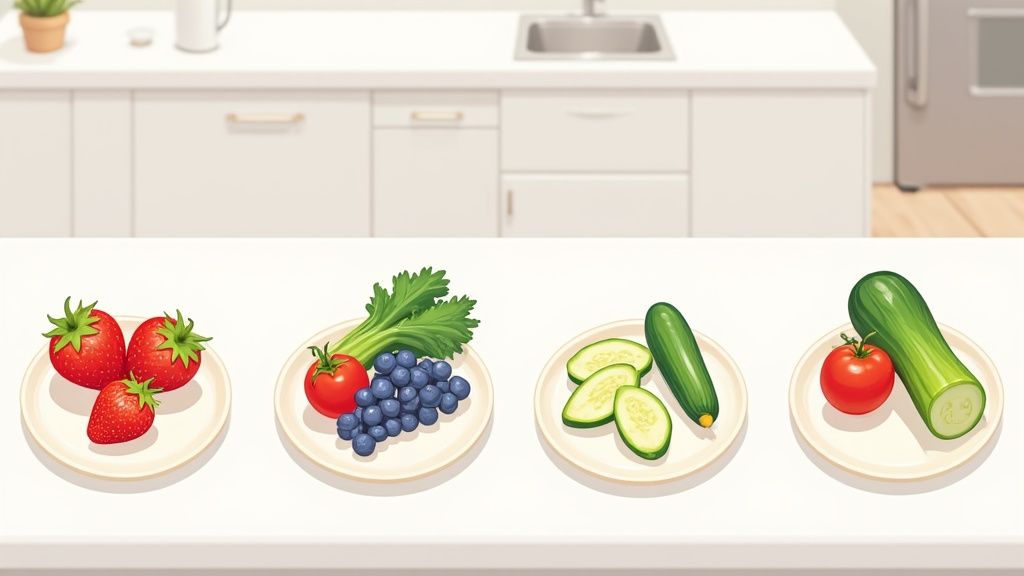
Fructose, often called 'fruit sugar,' is a simple sugar naturally present in many of the healthy foods we eat daily, including fruits, honey, and even some vegetables. While it's a natural component of a balanced diet, consuming too much can lead to energy crashes, digestive discomfort, and unwanted sugar cravings. For individuals with conditions like fructose intolerance, SIBO, or IBS, managing intake is even more critical for feeling their best.
This is where a clear low fructose fruits and vegetables list becomes an essential tool. Understanding which foods contain lower amounts of this specific sugar empowers you to make informed choices without sacrificing nutrition or flavor. This practical guide moves beyond a simple list; it provides you with specific fructose content per serving, recommended portion sizes, and actionable meal ideas.
You'll discover how to build satisfying, low-fructose plates, make simple swaps for high-fructose favorites, and use tools like the StopSugar app to track your intake effectively. Our goal is to make your journey toward balanced sugar consumption straightforward and sustainable. For those committed to a dietary approach focusing on natural, unprocessed ingredients, exploring guides to whole food plant-based meals can provide valuable complementary insights into building a wholesome, low-sugar lifestyle. Let's dive into the specifics and explore the delicious, low-fructose options available to you.
1. Avocado - 0.76g fructose per 100g serving
Often mistaken for a vegetable, avocado is a unique fruit celebrated for its creamy texture and rich, healthy fats. It secures the top spot on our low fructose fruits and vegetables list due to its exceptionally low sugar content. A standard 100-gram serving (about half a medium avocado) contains a mere 0.76 grams of fructose, making it a safe and satisfying choice for anyone managing their fructose intake, including those with fructose malabsorption or following a low-FODMAP diet.
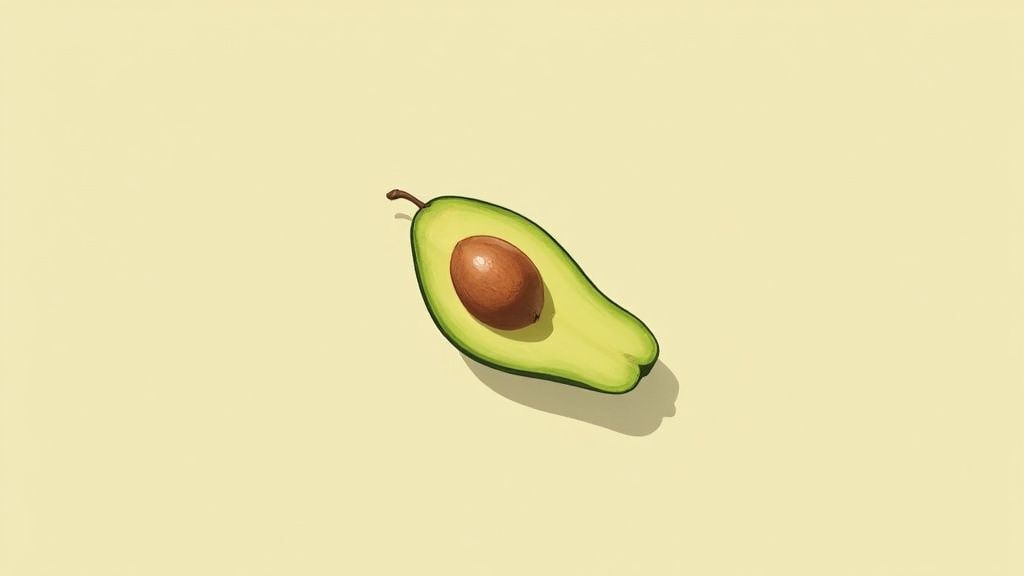
Unlike most fruits that are high in carbohydrates and sugars, avocados are primarily composed of heart-healthy monounsaturated fats. This unique nutritional profile helps promote satiety, keeping you full and satisfied for longer periods, which can prevent cravings for high-sugar snacks. Its minimal impact on blood sugar levels makes it an excellent food for stable energy throughout the day.
Practical Tips for Enjoying Avocado
To get the most out of this low-fructose powerhouse, follow these simple tips:
- Proper Storage: Store hard, unripe avocados at room temperature. To speed up ripening, place them in a paper bag with a banana. Once ripe, you can store them in the refrigerator for a few days to slow down further ripening.
- Prevent Browning: After cutting, avocado flesh can oxidize and turn brown. To prevent this, simply squeeze a small amount of lemon or lime juice over the exposed surfaces.
- Meal Versatility: Add sliced avocado to salads, blend it into smoothies for a creamy texture without the sugar, or mash it with lime juice and cilantro for a classic guacamole dip paired with low-fructose veggies like bell peppers or cucumber slices.
Tracking Avocado in the StopSugar App
When logging your meals, consistency is key. A standard serving size is typically half a medium avocado (around 100g).
Pro Tip: In the StopSugar app, you can log "1/2 medium avocado" or "100g avocado" to accurately track its minimal sugar contribution. Pairing it with a protein source like grilled chicken or eggs creates a balanced meal that supports stable energy and helps you stay on track with your low-sugar goals. To better understand how avocado's sugar content compares to other fruits, explore our detailed breakdown of sugars in fruits.
2. Spinach - 0.42g fructose per 100g serving
Spinach is a leafy green powerhouse that stands out on our low fructose fruits and vegetables list for its incredibly minimal sugar content. With just 0.42 grams of fructose per 100g serving (about three cups raw), it is an exceptionally safe choice for anyone on a low-fructose or low-FODMAP diet. This versatile vegetable is celebrated by nutritionists and fitness enthusiasts for its dense nutrient profile, which includes iron, calcium, and vitamins A, C, and K, all with virtually no impact on sugar intake.
Because its sugar content is negligible, spinach can be consumed in generous quantities without the risk of triggering fructose-related symptoms. It provides volume and nutrients to meals, helping to promote satiety and fill you up without adding sugars or significant calories. This makes it an ideal food for managing weight, stabilizing blood sugar, and supporting overall metabolic health. Its mild flavor allows it to be easily incorporated into countless dishes, from breakfast to dinner.
Practical Tips for Enjoying Spinach
To maximize the benefits of this low-fructose green, consider these practical tips:
- Boost Iron Absorption: Lightly cooking spinach helps reduce its oxalate content, which can improve mineral absorption. To further enhance the bioavailability of its iron, pair it with a source of vitamin C, such as bell peppers or a squeeze of lemon juice.
- Easy Meal Additions: Blend a handful of fresh spinach into smoothies for a nutrient boost without altering the taste. You can also wilt it into soups, stews, egg scrambles, or pasta sauces for an effortless increase in your daily vegetable intake.
- Long-Term Storage: Fresh spinach can wilt quickly. To preserve it, wash and dry the leaves thoroughly, then store them in a freezer-safe bag. Frozen spinach is perfect for cooked dishes and smoothies.
Tracking Spinach in the StopSugar App
Tracking leafy greens like spinach helps you build a complete picture of your nutrient intake without worrying about sugar. A common serving is about 85-100g, which is roughly 3 cups of raw leaves or 1 cup cooked.
Pro Tip: In the StopSugar app, logging "1 cup cooked spinach" or "3 cups raw spinach" is an easy way to account for this nutrient-dense vegetable. Since it's so low in fructose, it serves as a fantastic "filler" to add bulk and nutrition to meals, helping you feel full and avoid reaching for higher-sugar options. This is a key strategy for maintaining a low-sugar lifestyle.
3. Broccoli - 1.55g fructose per 100g serving
Broccoli is a cruciferous powerhouse renowned for its impressive nutrient profile and cancer-fighting compounds. It earns a solid spot on our low fructose fruits and vegetables list with just 1.55 grams of fructose per 100g serving. This makes a standard one-cup portion of raw, chopped broccoli (about 91g) a fantastic choice for those monitoring their sugar intake, as it contains only about 1.41 grams of fructose.
Beyond its low sugar content, broccoli is celebrated for its high levels of vitamins C and K, fiber, and the compound sulforaphane, which has been extensively studied for its health benefits. Its fiber content aids in digestion and promotes a feeling of fullness, helping to curb cravings for less healthy, high-sugar alternatives. This makes it an ideal vegetable for supporting stable blood sugar and overall wellness.
Practical Tips for Enjoying Broccoli
To maximize the nutritional benefits and flavor of this versatile vegetable, try these simple tips:
- Optimal Cooking: To best preserve its valuable sulforaphane content, lightly steam broccoli for just 3-5 minutes. Overcooking can diminish its nutrients.
- Roast for Flavor: Roasting broccoli florets with a drizzle of olive oil, salt, and pepper at a high temperature (around 400°F or 200°C) caramelizes the edges and brings out a delicious, nutty flavor that even picky eaters enjoy.
- Enjoy It Raw: For maximum enzyme activity, enjoy raw broccoli florets as a crunchy snack. Pair them with a low-fructose dip like a Greek yogurt-based ranch or hummus.
- Enhance Nutrient Absorption: Pairing broccoli with a healthy fat source like olive oil or avocado can help your body better absorb its fat-soluble vitamins, such as Vitamin K.
Tracking Broccoli in the StopSugar App
When logging this vegetable, consistency is key to accurate tracking. A common serving size is one cup of chopped broccoli, which weighs approximately 91 grams.
Pro Tip: In the StopSugar app, you can log "1 cup broccoli" or "91g broccoli" to precisely track your intake. For those who are particularly sensitive, portion control remains important. Understanding the triggers for discomfort is a key part of managing fructose malabsorption. To better understand how fructose affects your body, you can explore our guide on what fructose intolerance is.
4. Bell Peppers (Green) - 2.3g fructose per 100g serving
A staple in kitchens worldwide, green bell peppers are a versatile and crunchy vegetable with a refreshingly mild, slightly bitter taste. They earn a prominent spot on our low fructose fruits and vegetables list because they are significantly lower in sugar than their colorful counterparts. A 100-gram serving (about one small-to-medium pepper) contains just 2.3 grams of fructose, making it an excellent choice for adding bulk and nutrients to meals without a significant sugar load.
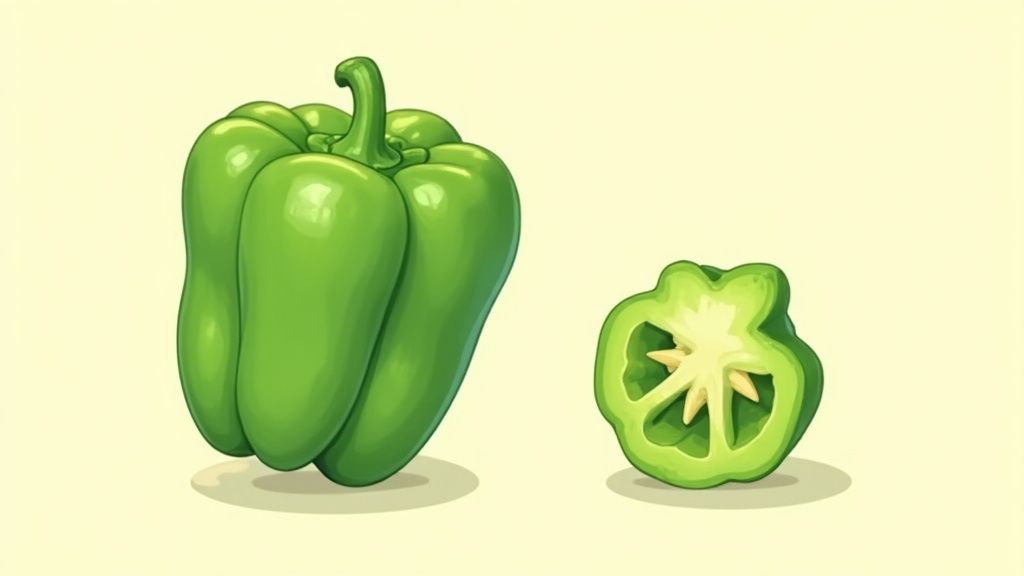
Green bell peppers are essentially the unripe versions of red, yellow, and orange peppers. As the peppers mature and change color, their sugar content, including fructose, increases. By choosing green, you are opting for the lowest fructose version available. Beyond being low in sugar, they are an outstanding source of vitamin C and various antioxidants, which support immune function and help combat oxidative stress.
Practical Tips for Enjoying Green Bell Peppers
To maximize the benefits of this low-fructose vegetable, incorporate these tips into your routine:
- Choose Color Wisely: For the lowest fructose content, always select green bell peppers over the sweeter red, yellow, or orange varieties.
- Proper Storage: Keep them unwashed in your refrigerator's crisper drawer, where they can stay fresh for up to two weeks. Washing them before storage can accelerate spoilage.
- Maximize Nutrients: Enjoy them raw to get the full benefit of their vitamin C content, which can degrade with heat. Slice them into sticks for a crunchy snack with a low-sugar dip like hummus or guacamole.
- Meal Versatility: Dice them into salads, stir-fries, or omelets. They also make a great low-carb "boat" for fillings like seasoned ground meat or quinoa.
Tracking Green Bell Peppers in the StopSugar App
Accurate logging helps you see how even small choices contribute to your daily goals. One medium green pepper is approximately 119g.
Pro Tip: In the StopSugar app, search for "green bell pepper" and log your portion size in grams or as "1 medium pepper." This allows for precise tracking of your fructose intake. Pairing them with a protein and healthy fat, such as in a chicken stir-fry with olive oil, creates a well-rounded meal that keeps you full and your blood sugar stable.
5. Zucchini - 1.2g fructose per 100g serving
Zucchini, a versatile summer squash, is a fantastic addition to any low fructose fruits and vegetables list. With only 1.2 grams of fructose per 100g serving, its minimal sugar content and high water composition (about 95%) make it an excellent choice for those managing fructose intake. One cup of raw, chopped zucchini (around 124g) contains just under 1.5 grams of fructose, allowing for generous portions without concern for sugar overload.
Popularized by low-carb, keto, and Mediterranean diets, zucchini’s mild flavor makes it an incredibly adaptable ingredient. It easily absorbs the tastes of herbs, spices, and sauces it's cooked with, serving as a low-sugar, nutrient-dense base for countless dishes. This versatility helps satisfy cravings for carb-heavy meals like pasta while keeping blood sugar levels stable and supporting your health goals.
Practical Tips for Enjoying Zucchini
To make zucchini a delicious and regular part of your low-fructose diet, try these tips:
- Create "Zoodles": Use a spiralizer to turn zucchini into "zoodles," a popular low-carb and low-fructose alternative to pasta. Sauté them briefly with garlic and olive oil for a simple, satisfying meal.
- Roast for Flavor: Roasting zucchini at a high heat (around 400°F or 200°C) caramelizes its natural sugars, enhancing its flavor and giving it a pleasant, firm texture.
- Enjoy It Raw: For maximum nutrient retention, add thinly sliced or grated raw zucchini to salads and slaws. It provides a refreshing crunch and a boost of hydration.
- Boost Nutrient Absorption: Pair zucchini with healthy fats like olive oil, avocado, or nuts. This not only adds flavor but also helps your body absorb its fat-soluble vitamins, such as Vitamin A.
Tracking Zucchini in the StopSugar App
When logging this vegetable, precision helps you understand its impact. A common serving is one medium zucchini (about 200g) or one cup of chopped zucchini (124g).
Pro Tip: In the StopSugar app, log "1 medium zucchini" or "1 cup chopped zucchini" for accurate tracking. Its low sugar content makes it a perfect "filler" vegetable to add volume and nutrients to meals like stir-fries, omelets, or soups without significantly affecting your daily sugar count. This helps you create filling, satisfying meals that align with your low-sugar lifestyle.
6. Cucumbers - 1.67g fructose per 100g serving
Renowned for their refreshing and hydrating properties, cucumbers are a staple in any low fructose fruits and vegetables list. Composed of about 96% water, this versatile vegetable is incredibly low in sugar and calories. A standard 100-gram serving of cucumber contains just 1.67 grams of fructose, while one cup of raw slices (around 104g) offers a similarly minimal 1.74 grams. This makes it an outstanding choice for unrestricted daily consumption, especially for individuals following a low-FODMAP diet or managing fructose malabsorption.
Beyond their low sugar content, cucumbers are a source of antioxidants and nutrients like Vitamin K and potassium. Their high water content aids in hydration, which is crucial for overall health, stable energy levels, and managing sugar cravings effectively. The cool, crisp texture makes them a satisfying snack that won't disrupt blood sugar levels, supporting a balanced, low-sugar lifestyle.
Practical Tips for Enjoying Cucumbers
To make the most of this hydrating, low-fructose vegetable, incorporate these simple tips into your routine:
- Optimal Storage: Keep cucumbers in the refrigerator to maintain their crispness and extend their freshness. Storing them in the crisper drawer is ideal.
- Keep the Skin On: The dark green skin of a cucumber is a great source of additional fiber, vitamins, and minerals. Simply wash it thoroughly before eating to reap its full nutritional benefits.
- Versatile Uses: Add sliced or diced cucumbers to salads, sandwiches, and wraps for a refreshing crunch. They are also excellent as crudités for low-fructose dips like hummus or a yogurt-based sauce, or can be lightly cooked in stir-fries.
- Sugar-Free Hydration: Infuse water with cucumber slices and a sprig of mint for a delicious, flavored beverage that hydrates without any added sugars or artificial sweeteners.
Tracking Cucumbers in the StopSugar App
Logging cucumbers is simple due to their minimal sugar impact. You can typically enjoy them freely without worrying about exceeding your daily goals.
Pro Tip: In the StopSugar app, you can log "1 cup cucumber slices" or "100g cucumber" to keep your food diary complete. Pairing them with a protein source like turkey slices or a handful of low-fructose nuts creates a balanced, hydrating snack. To discover more options, check out our comprehensive guide to foods low in fructose.
7. Asparagus - 1.94g fructose per 100g serving
Asparagus is a celebrated spring vegetable known for its distinct flavor and impressive nutrient profile. It earns a solid place on our low fructose fruits and vegetables list thanks to its minimal sugar content. A 100-gram serving of asparagus contains just 1.94 grams of fructose, while a full cup of chopped spears (about 134g) has around 2.60 grams, making it a safe and versatile choice for those on low-fructose or low-FODMAP diets.
Beyond its low sugar levels, asparagus is a nutritional powerhouse. It is rich in glutathione, a powerful antioxidant that supports the body's detoxification processes, and inulin, a type of prebiotic fiber that nourishes beneficial gut bacteria. This combination makes asparagus an excellent food for supporting both cellular health and digestive wellness, all without causing the digestive distress associated with high-fructose foods.
Practical Tips for Enjoying Asparagus
To maximize the benefits and flavor of this slender green vegetable, consider these simple tips:
- Optimal Cooking: To preserve its valuable glutathione content, gently steam or roast asparagus until it's tender-crisp. Avoid overcooking, which can diminish its nutrients and texture.
- Choosing Spears: For a more delicate and tender bite, opt for thinner spears. Thicker spears are often woodier but can be great for grilling or roasting.
- Smart Storage: Keep asparagus fresh for longer by trimming the ends and standing the bunch upright in a jar with about an inch of water, like a bouquet of flowers. Cover loosely with a plastic bag and store in the refrigerator.
- Freshness First: For the best taste and highest nutrient content, aim to consume fresh asparagus within three to four days of purchase.
Tracking Asparagus in the StopSugar App
Logging your vegetable intake helps create a complete picture of your daily nutrition. A typical serving is about one cup of chopped spears or 5-7 spears, depending on their size.
Pro Tip: In the StopSugar app, search for "asparagus" and log your portion size in grams or cups for the most accurate tracking. Pairing roasted asparagus with a lean protein like salmon and a healthy fat source like olive oil creates a perfectly balanced, low-sugar meal that promotes stable energy and helps you meet your health goals.
8. Cauliflower - 1.9g fructose per 100g serving
Cauliflower is a versatile cruciferous vegetable that has surged in popularity as a low-carb, low-sugar powerhouse. It earns a solid spot on our low fructose fruits and vegetables list for its mild flavor and adaptable texture. A 100-gram serving of raw cauliflower florets contains just 1.9 grams of fructose, making it an excellent choice for those managing fructose intake or following low-FODMAP and keto diets.
This vegetable's chameleon-like ability to substitute for high-carb staples like rice, potatoes, and even pizza crust has made it a favorite among health-conscious individuals. Beyond its low sugar content, cauliflower is rich in vitamin C, vitamin K, and beneficial plant compounds like sulforaphane. Its high fiber content also supports digestive health and promotes a feeling of fullness, which helps manage appetite and reduce cravings for sugary foods.
Practical Tips for Enjoying Cauliflower
To maximize both the flavor and health benefits of this low-fructose vegetable, consider these tips:
- Proper Storage: To keep cauliflower fresh, store it stem-up in a breathable bag in your refrigerator’s crisper drawer. This prevents moisture from collecting on the head and causing spoilage.
- Roast for Flavor: Roasting cauliflower florets at a high temperature (around 400°F or 200°C) with a little olive oil caramelizes its natural sugars, transforming its flavor from plain to nutty and delicious.
- Create Rice Alternatives: To make cauliflower rice, simply pulse raw florets in a food processor until they reach a rice-like consistency. It’s a perfect low-fructose base for stir-fries, grain bowls, and burritos.
- Steam Lightly: Lightly steaming cauliflower softens its texture while helping to preserve its nutrient content. This method is ideal for making creamy cauliflower mash as a substitute for mashed potatoes.
Tracking Cauliflower in the StopSugar App
Accurate logging is crucial for understanding your daily intake. A common serving size is one cup of chopped cauliflower, which is roughly 100 grams.
Pro Tip: In the StopSugar app, search for "1 cup cauliflower" or "100g cauliflower" for precise tracking. Its low sugar impact makes it a fantastic "filler" vegetable, allowing you to create large, satisfying meals without significantly increasing your sugar load. Use it as a base for curries or blend it into soups to add creaminess and bulk.
8-Item Low-Fructose Produce Comparison
| Item | 🔄 Prep & storage complexity | ⚡ Versatility & ease | 📊 Nutritional impact (fructose & highlights) | Ideal use cases | ⭐ Key advantage & tip 💡 |
|---|---|---|---|---|---|
| Avocado — 0.76g/100g | Moderate (needs ripening, short once ripe) | High — raw/spread/smoothies | 0.76g fructose; high monounsaturated fat, 6.7g fiber, K, folate | Salads, spreads, smoothies, keto dishes | Very low fructose and highly satiating; watch portion calories & cost |
| Spinach — 0.42g/100g | Low (quick wash; wilts fast) | Very high — raw or cooked; blends well | 0.42g fructose; rich K, iron, vitamins; very low calories | Salads, smoothies, sautés, soups | Extremely low fructose and nutrient-dense; cook/pair with vit C to reduce oxalate issues |
| Broccoli — 1.55g/100g | Low–moderate (3–5 days refrigerate) | High — raw, steamed, roasted | 1.55g fructose; vitamin C, K, fiber, sulforaphane | Steamed sides, stir-fries, roasted dishes | Good source of sulforaphane; portion-control if highly fructose-sensitive |
| Green Bell Pepper — 2.3g/100g | Low (1–2 weeks refrigerated) | High — crisp raw or cooked | 2.3g fructose; very high vitamin C, antioxidants | Crudités, salads, sautés, stuffed peppers | Lowest-fructose pepper variety with strong vitamin C; choose green for lowest sugar |
| Zucchini — 1.2g/100g | Low (short shelf life 3–5 days) | High — raw, roast, zoodles | 1.2g fructose; 95% water, low calories, modest vitamin C | Zoodles, grilling, salads, roasting | Hydrating, very low-fructose option ideal as pasta substitute |
| Cucumber — 1.67g/100g | Low (keep refrigerated; perishable once cut) | Moderate — mostly raw uses | 1.67g fructose; 96% water, low calorie, minimal nutrients | Salads, infused water, snacks, crudités | Excellent hydration and negligible fructose impact; low nutrient density |
| Asparagus — 1.94g/100g | Moderate (delicate, short shelf life) | Moderate — best steamed/roasted | 1.94g fructose; contains inulin (prebiotic), glutathione, folate | Steamed/grilled sides, spring dishes | Prebiotic and detox-supporting; consume fresh and moderate portions (purines) |
| Cauliflower — 1.9g/100g | Low–moderate (4–5 days refrigerated) | Very high — riced, mashed, roasted | 1.9g fructose; vitamin C, sulforaphane, low-carb substitute | Cauliflower rice, mash, roasting, low-carb recipes | Versatile grain substitute with low fructose; may cause gas in sensitive individuals |
Putting It All Together: Your Next Steps to a Low-Fructose Lifestyle
Navigating the world of nutrition can feel overwhelming, but armed with a clear low fructose fruits and vegetables list, you now have a powerful tool to take control of your health. You've learned not just what to eat, but how to integrate these choices into your daily life for sustainable, long-term success.
The journey isn't about eliminating all fruits and vegetables; it's about making strategic, informed choices that align with your body's needs. From the creamy, nutrient-dense avocado to the crisp, refreshing cucumber, each item on this list offers a delicious way to nourish yourself without triggering the energy crashes and cravings associated with high-fructose foods.
Key Takeaways for Lasting Change
Let's distill the core principles from this guide into actionable takeaways. These are the foundational habits that will transform information into a lifestyle.
- Awareness is Your Foundation: The single most important step is simply knowing the fructose content of what you're eating. Keeping this low fructose fruits and vegetables list handy on your phone or on your fridge is a simple but effective first step.
- Portion Sizes Matter: Remember that even low-fructose foods can add up. Stick to recommended serving sizes, like one cup of spinach or half a bell pepper, to keep your total fructose intake in check.
- Smart Swaps, Not Deprivation: Focus on what you can have. Instead of mourning the loss of a high-sugar banana in your smoothie, celebrate the creamy texture you can get from an avocado or the fresh flavor of zucchini.
- Consistency Over Perfection: Aim for progress, not a flawless record. If you have a higher-fructose item, don't worry. Simply make your next meal or snack a choice from this list. It’s the small, consistent decisions that build momentum.
Your Action Plan: Turning Knowledge into Habit
Information is only powerful when you use it. Here’s a simple, step-by-step plan to get started today.
- Plan Your Next Grocery Trip: Before you go to the store, pick three to four items from our list to build your meals around for the next few days. Think about making a broccoli stir-fry, an asparagus and egg scramble, or a salad with spinach and bell peppers.
- Start with One Swap a Day: Don't try to overhaul your entire diet overnight. Begin by replacing one high-fructose snack (like an apple or a granola bar) with a handful of cucumber slices or some steamed broccoli. This small win builds confidence.
- Leverage Technology: Make tracking effortless with a tool like the StopSugar app. Use its daily check-in feature to log your new low-fructose choices. This creates a visual record of your progress and helps you connect how you eat with how you feel. When you're stuck, the app's 'Alternatives' feature can be a lifesaver.
- Embrace Home Cooking: Preparing your own meals gives you complete control over ingredients. To take this a step further and ensure the freshest, most accessible produce, you might consider growing your own. For inspiration, you can explore edible gardening ideas to create a small herb or vegetable patch.
By actively engaging with these steps, you're not just following a diet; you're building a new, healthier relationship with food. You’re learning to listen to your body and provide it with the fuel it needs to thrive. The result is more stable energy, clearer thinking, and a sense of empowerment over your well-being. Your journey to a balanced, low-sugar life starts with the next choice you make. Choose wisely, be consistent, and enjoy the delicious path ahead.