Quitting Sugar Before and After Your Complete Guide
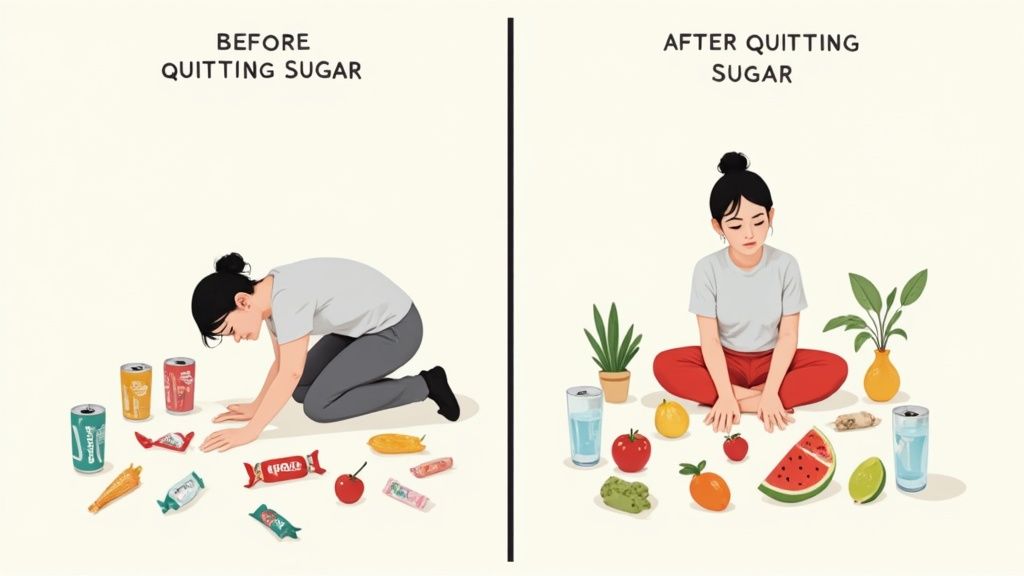
Going sugar-free is a story of two very different realities. The "before" is a life dictated by energy spikes and crashes, while the "after" is one of stable energy, clearer skin, and a mind that feels sharper than ever.
The first week is undeniably tough. You'll likely battle fatigue and some pretty intense cravings. But once you push through that initial hump, the contrast between your old and new self is truly night and day. It’s a shift from being stuck in a cycle of brain fog to feeling consistently vibrant.
A Snapshot of the Transformation
Quitting sugar is so much more than a simple diet change—it's like hitting the reset button on your entire system. The journey kicks off with a short, challenging withdrawal phase as your body scrambles to adjust to its new normal.
Don't let that scare you, though. This part passes, and it quickly gives way to noticeable improvements that build on each other day by day. The long-term gains are well worth the short-term fight, completely reshaping your health from the inside out.
The Timeline of Renewal
Knowing what's coming can make the whole process feel less daunting. The first few days are the most difficult, but you'll start seeing positive changes much sooner than you probably expect.
This infographic gives a great visual breakdown of what happens during your first month without sugar.
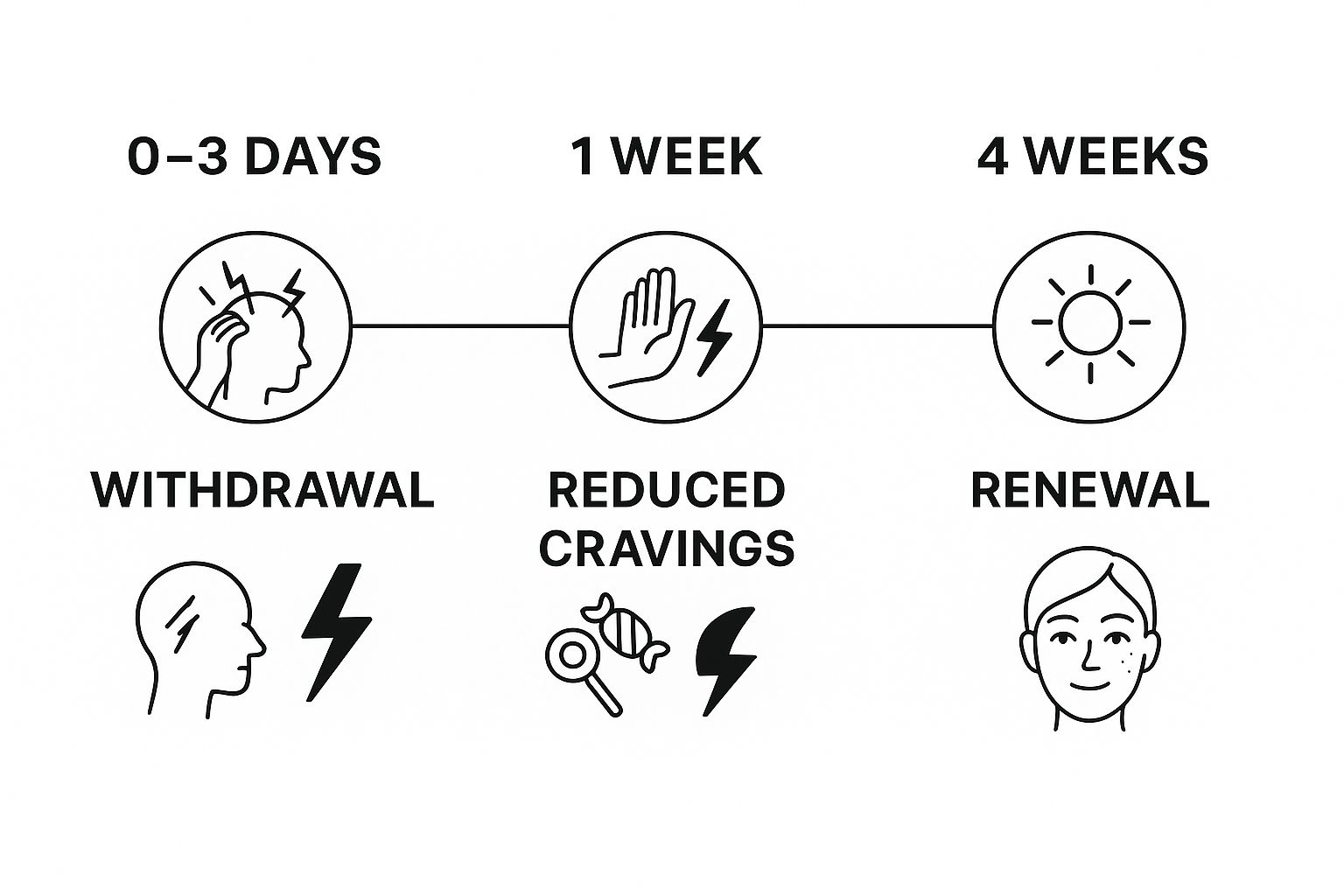
As you can see, once you get past that initial withdrawal, your body gets right to work healing itself. Cravings start to fade, and by the one-month mark, you'll likely see real benefits like clearer skin.
The biggest change is going from being controlled by cravings to being in control of your own energy and health. You stop reacting to sugar lows and start living proactively.
To really paint a picture of this journey, let's look at a typical timeline. This table breaks down what you can generally expect during that first month.
Typical Timeline of Changes After Quitting Sugar
| Timeframe | What to Expect 'Before' (High Sugar Intake) | What to Expect 'After' (Quitting Sugar) |
|---|---|---|
| First 3 Days | Constant energy rollercoaster; relying on caffeine and sweets to get through the day. | This is peak withdrawal. Expect headaches, irritability, and powerful cravings. |
| Week 1 | Persistent brain fog, especially that classic afternoon slump where you can't focus. | Cravings start to ease up. You might notice you feel less bloated and puffy. |
| Weeks 2-3 | Skin problems like acne or just dull-looking skin; frequent digestive issues. | Your energy levels begin to stabilize. Mood and mental clarity see a real boost. |
| Month 1+ | Always wanting sugary snacks; taste buds are so dulled you need intense sweetness. | Hello, clearer skin! Sleep quality improves, and you start tasting the natural sweetness in food. |
This timeline isn't exact for everyone, but it gives you a solid idea of the progression. The initial discomfort is temporary, but the improvements in how you look and feel can be truly lasting.
Your Body on Sugar: A State of Constant Stress
Before you even think about cutting back, it's crucial to get a clear picture of what a high-sugar diet is really doing to your body. Think of it as a hidden stressor, silently wreaking havoc behind the scenes. When you're consistently eating a lot of sugar, especially the kind found in processed foods and sugary drinks, you’re essentially putting your system into a state of constant biological turmoil.
This isn’t just a matter of empty calories. It's a full-blown chain reaction that kicks off the second that sweetness hits your tongue, and the most immediate effect is the one you can feel: the blood sugar rollercoaster.
The Spike and Crash Cycle
You eat a sugary snack, and your blood glucose levels skyrocket. In response, your body floods your system with insulin, the hormone that pulls sugar from your blood into your cells for energy. This gives you that quick, temporary buzz, but it's what happens next that’s the real problem.
More often than not, your body overreacts. It releases too much insulin, causing your blood sugar to nosedive. This is the dreaded "sugar crash." Suddenly you feel sluggish, irritable, and mentally foggy. That classic 3 PM slump? It's a perfect real-world example of this cycle in action.
Your brain, now starving for fuel, starts screaming for another quick energy fix. This powerful signal is what drives those relentless cravings for another donut or soda, locking you into a draining loop of highs and lows.
The real issue isn't just the crash itself, but the systemic inflammation that this constant up-and-down cycle promotes throughout your body, affecting everything from your skin to your joints.
The Toll of Chronic Inflammation
This perpetual cycle of sugar spikes and crashes is a major contributor to low-grade, chronic inflammation. While short-term inflammation is a normal, healthy part of your immune response, the long-term, simmering kind is linked to a whole host of health problems. For many people, it shows up in ways they would never connect back to their diet.
Here’s how it often plays out:
- Persistent Skin Problems: Inflammation can be a trigger for conditions like acne, rosacea, and eczema. The "before" picture for so many who quit sugar is one of skin that just won’t clear up, no matter what creams or treatments they try.
- Nagging Digestive Distress: Excess sugar can completely throw off the delicate balance of your gut microbiome. It feeds the bad bacteria, which can lead to bloating, gas, and a general feeling of discomfort.
- Unexplained Aches and Pains: Systemic inflammation can also lead to joint stiffness and muscle soreness, making you feel older and less mobile than you really are.
When you're living this way day in and day out, it starts to feel normal. You blame fatigue on a bad night's sleep or your skin issues on genetics, never realizing that your diet is the real culprit. This "before" state is one where you're just managing symptoms instead of getting to the root cause, which is what makes the quitting sugar before and after journey so dramatic.
Your Body After Quitting Sugar: The Path to Renewal
Once you get through the initial withdrawal phase—and yes, it can be tough—your body starts an incredible process of renewal. The "after" picture of a sugar-free life is all about a deep, systemic healing that you can genuinely feel. Instead of being stuck in a state of constant inflammatory stress, your system finally gets a chance to recalibrate and find its natural rhythm.
This change is profound. You shift from being reactive, always chasing that next sugar hit, to a state of proactive wellness. It touches everything, from your daily energy to the way you taste and enjoy food.
The Return of Stable Energy and Vitality
One of the most talked-about quitting sugar before and after results is finally getting off the energy rollercoaster. Without those constant sugar spikes and crashes, your body relearns how to keep your blood glucose levels stable. That means you start waking up feeling truly refreshed, not groggy and immediately desperate for coffee.
That mid-afternoon slump? It practically disappears. Imagine having consistent focus and energy all day long, without ever needing a sugary snack to keep you going. This sustained vitality is a direct result of your body no longer being in a constant fight against inflammation and hormonal chaos.
Visible Signs of Inner Healing
The benefits of lowering inflammation quickly show up on the outside. So many people I've worked with report a huge improvement in their skin, seeing fewer breakouts and a much brighter, more even complexion. This happens because cutting out sugar calms the internal irritation that often triggers skin issues like acne.
But it’s not just about your skin. You'll likely notice other physical changes, too:
- Reduced Bloating: A gut that's constantly inflamed often means digestive trouble. As your gut microbiome rebalances without being fed tons of sugar, that uncomfortable bloating can ease up significantly.
- Less Joint Pain: For anyone dealing with mysterious aches and pains, this can be a game-changer. Lowering systemic inflammation often leads to a welcome reduction in joint stiffness.
- Sustainable Weight Management: When your hormones are balanced and cravings are under control, managing your weight feels less like a battle. Your body isn't working overtime to store excess sugar as fat, making it much easier to find and maintain a healthy equilibrium.
Honestly, one of the most surprising and wonderful benefits is how your taste buds come back to life. As your palate resets, you start picking up on the subtle, natural sweetness in things like berries or sweet potatoes. You’ll find them more satisfying than ever before. This heightened sensitivity makes healthy eating genuinely delicious, which creates a positive cycle that makes this new lifestyle stick for good.
When people talk about quitting sugar, they usually focus on weight loss or physical health. But honestly, the changes that happen in your mind are often the most profound and life-altering. Living on a high-sugar diet means your brain is on a constant, chaotic rollercoaster of chemical highs and lows, and that impacts everything from your mood to your ability to just think straight.
The Fog and the Cravings: Life Before Quitting
If you’re eating a lot of sugar, you probably know the feeling of persistent brain fog. It’s that frustrating haze where clear thoughts feel just out of reach and your focus is shot. This isn’t a personal flaw; it’s a direct result of your blood sugar spiking and crashing, which throws your brain's delicate chemistry completely out of whack.
Before you quit, your mood is basically held hostage by your last meal. That quick hit of dopamine from a sweet treat feels amazing for a moment, but the crash that follows can leave you feeling irritable, anxious, or just plain down. This creates a nasty addictive cycle where your brain starts demanding sugar not for energy, but just to feel normal for a little while.
You get stuck in this loop. Maybe you find yourself snapping at people or feeling emotionally volatile, never connecting it back to the candy bar you had an hour ago. The link between blood sugar and mood swings is incredibly strong, making emotional stability feel like a distant dream.
Before you quit, you're in a state of cognitive dependency. Your brain is trained to scream for sugar when it needs focus, energy, or comfort, blurring the lines between real hunger and an emotional need for a sweet fix.
This cycle is fed by how much sugar is all around us. In 2022 alone, the United States went through about 11.5 million metric tons of sugar, mostly because it's packed into almost every processed food imaginable. That constant availability makes it so much harder to break the mental addiction when a sugary "solution" for stress is always within arm's reach.
Clarity and Freedom: Your Mind After Sugar
Once you get past the initial withdrawal phase—and yes, it can be tough—something amazing happens. Your brain starts to operate without the constant disruption of glucose spikes. The result? A sharper, clearer mind. So many people describe it as the chronic brain fog finally lifting, allowing them to concentrate for longer periods and remember things more easily.
Your emotional world changes just as much. Without that sugar-fueled rollercoaster, you’ll find your moods become far more stable and predictable. You're less likely to be thrown off by daily stressors and feel more emotionally resilient overall.
To put it simply, here’s a look at the mental and emotional shifts you can expect on your journey.
Mental and Emotional State Comparison
This table offers a side-by-side look at the psychological shifts experienced when transitioning from a high-sugar to a no-sugar lifestyle.
| Psychological Aspect | Before Quitting Sugar (High Intake) | After Quitting Sugar (Sustained) |
|---|---|---|
| Mental Focus | Persistent brain fog, difficulty concentrating, especially in the afternoon. | Sustained mental clarity, sharper focus, and improved cognitive function. |
| Emotional State | Unpredictable mood swings, irritability, and increased feelings of anxiety. | Greater emotional stability, a calmer disposition, and reduced anxiety. |
| Cravings | Intense, emotionally-driven cravings for sweet foods and drinks. | Cravings significantly diminish, replaced by an appreciation for natural flavors. |
Breaking free from sugar is really about taking back control of your own mind. You go from being driven by cravings to being the one in charge of your thoughts and feelings. It’s a sense of freedom that is truly empowering.
Navigating Your New Sugar-Free Lifestyle
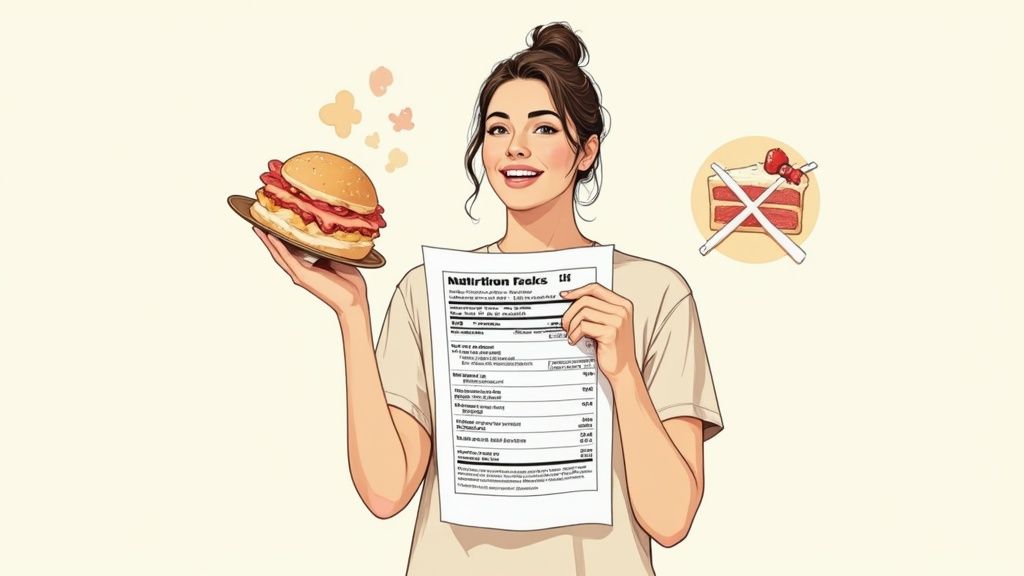
Giving up sugar isn’t just about what you eat; it completely changes how you live, especially when you’re around other people. Before, life was a series of autopilot choices. You’d mindlessly grab a slice of office birthday cake or say yes to a sugary latte with friends without a second thought.
After quitting, you step into a new reality. You're no longer just going with the flow—you're making conscious, empowered decisions about what goes into your body. This transition from being a passive consumer to an active participant in your own health is a huge shift, and it requires a new set of skills for navigating everything from grocery shopping to holiday parties.
From Social Pressure to Personal Power
Think back to how social events used to be. So many of them are built around sharing sugary treats. Turning down dessert often felt awkward, maybe even a little rude. It was just easier to give in than to have a whole conversation about it.
Once you commit to quitting sugar, you learn to handle these moments with grace. It’s all about preparation and clear, simple communication. Instead of feeling like you're missing out, you start discovering fantastic alternatives that you genuinely enjoy. Maybe you bring a beautiful fruit platter to a party or find a new favorite sugar-free drink at your local café.
You’re not alone in this, either. A growing awareness around the world is on your side. As health organizations continue to recommend cutting back on sugar, more people are making the same choice. We're even seeing policy changes like sugar taxes, which signals a collective shift toward healthier habits. Your personal decision is part of a much bigger, positive movement.
The real game-changer is flipping your internal script from "I can't have that" to "I choose not to have that." This small tweak in wording turns a feeling of restriction into a powerful act of self-care.
Practical Strategies for Common Scenarios
Let's be honest, the biggest challenges often pop up unexpectedly. A catered work lunch, a last-minute dinner invitation—these are the moments that can throw you off. Having a few go-to strategies makes all the difference.
Here’s how you can handle these situations like a pro:
- Dining Out: A little recon goes a long way. Check the menu online before you go so you already have a few good options in mind. And don't be shy about asking your server questions or requesting small changes, like getting the sauce on the side.
- Holidays and Parties: Be the hero who brings a delicious dish you know you can eat. It takes the pressure off, guarantees you'll have something safe, and might just show everyone else how amazing sugar-free food can be.
- Managing Cravings: Get to the root of it. When a craving hits, ask yourself: Am I bored? Stressed? Tired? Often, it's not about the sugar at all. Try tackling the real issue first—a quick walk or a warm cup of herbal tea can work wonders.
One of the most valuable skills you'll develop is becoming a master label-reader. You'll be amazed at where sugar hides—in everything from salad dressings and bread to pasta sauces. Our guide on foods with hidden sugar is a great place to start. Learning to spot these sneaky sources is a huge step toward truly owning your new, healthier lifestyle.
Your Practical Plan to Quit Sugar
Knowing why you should quit sugar is one thing, but actually doing it is another beast entirely. This is where the rubber meets the road. The plan I’m about to lay out is designed to get you started on the right foot, turning that initial spark of motivation into a lasting change. Real success starts before you even eat your last sugary snack—it starts with a bit of prep work.
The very first step? Set up your kitchen to win. That means a full-on purge of your pantry, fridge, and freezer. If you're serious, you have to get rid of the temptations. Go through everything and toss the sugary cereals, processed snacks, sodas, and desserts. If it's loaded with added sugar, it's got to go.
Preparing for the First Week
Let’s be honest, that first week can be rough. Your body is going to be adjusting, and the cravings can feel intense. The best way to get through it is to focus on what you're adding to your diet, not just what you're taking away. A good plan is your secret weapon against withdrawal.
- Stock Up on Healthy Swaps: Arm your kitchen with whole, satisfying foods. When a craving hits, you'll want to have fresh berries, a handful of nuts, some seeds, or a bowl of full-fat Greek yogurt ready to go. These foods are your new best friends—they deliver nutrients and keep you full without that sugar crash.
- Master a Few Go-To Meals: Don't leave your meals to chance. Figure out a few simple, sugar-free options for breakfast, lunch, and dinner. Things like eggs with avocado, a big salad with grilled chicken, or a hearty vegetable soup take the guesswork out of eating well.
- Hydrate Smarter: It's amazing how often we mistake thirst for hunger or a sugar craving. Keep a water bottle with you, maybe with a slice of lemon or a few mint leaves thrown in. Herbal teas can also be a lifesaver; peppermint and cinnamon are great for calming a sweet tooth.
The goal isn't just to survive the first week; it's to build a foundation. By replacing sugary habits with nourishing ones, you're not just quitting something—you're creating a healthier, more energized version of yourself.
Reading Labels and Managing Withdrawal
You're about to become a detective in the grocery store aisle. Learning to read nutrition labels is a non-negotiable skill because sugar is a master of disguise. It hides under dozens of different names, like high-fructose corn syrup, dextrose, and cane juice. Your best bet is to find the "Added Sugars" line on the label—that tells you the real story.
Don't be surprised if the first few days bring on some headaches, irritability, or fatigue. That’s your body detoxing, and it's completely normal. To get a better handle on what to expect day-by-day, check out our guide on the sugar detox timeline. Pushing through this short, uncomfortable phase is what gets you to the other side, where stable energy and mental clarity are waiting.
Your Questions About Quitting Sugar, Answered
When you decide to cut out sugar, a lot of questions pop up. It’s totally normal. Let's walk through some of the most common things people wonder about as they compare life before and after going sugar-free.
How Long Does It Take to Stop Craving Sugar?
That first week can be tough—that's when cravings are usually at their peak. But stick with it, because things change quickly after that.
Most people find their cravings drop off a cliff within 2-3 weeks. Your body starts to rebalance, your blood sugar stabilizes, and you're no longer on that roller coaster. Getting through those initial days is the hardest part.
Can I Still Eat Fruit and Other Natural Sugars?
Absolutely, but with a mindful approach. The sugar in a whole apple is different from the sugar in a candy bar. It comes with fiber, water, and nutrients, which means your body processes it much more slowly.
For a really strict initial detox, some people temporarily cut back on fruit. But for a long-term, healthy lifestyle, bringing it back in is key. The real enemy is added, processed sugar, not the natural goodness in whole foods.
What’s the Best Way to Deal with the Withdrawal Symptoms?
Feeling headachy, tired, or irritable is a common part of the process, but you can definitely manage it. Here are three go-to strategies that really work:
- Stay Hydrated: Water is your best friend. Guzzling it down helps flush everything out and can take the edge off headaches. Adding a little lemon or mint can make it feel like more of a treat.
- Eat More Healthy Fats: Don't be afraid of fats! Avocados, nuts, and seeds are fantastic for keeping you feeling full and satisfied. They provide steady energy, which helps crush those intense cravings.
- Make Sleep a Priority: Everything feels worse when you're tired, especially withdrawal. Aiming for 7-9 hours of solid sleep gives your body the time it needs to repair and reset.