8 Incredible Benefits of Reducing Sugar Intake You Can Track in 2026
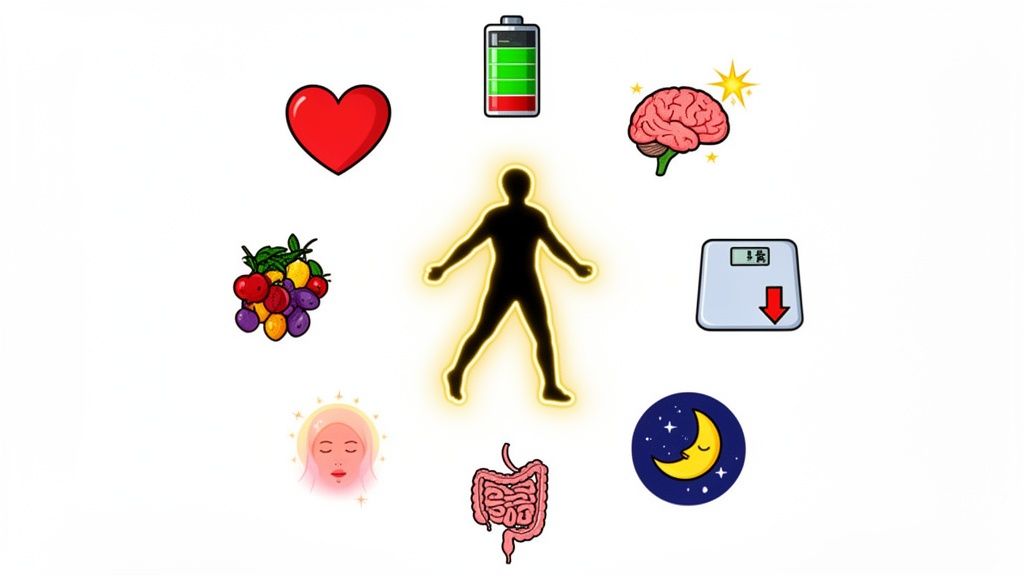
We all know sugar tastes good, but what if the true reward comes from eating less of it? Processed foods have made sugar a constant in our diets, leading to energy crashes, unwanted weight gain, and persistent cravings that are hard to break. The journey to reduce sugar can feel daunting, but the rewards are transformative, touching every aspect of your health and well-being. This guide breaks down the most significant benefits of reducing sugar intake into clear, actionable insights. We'll explore not just what happens when you cut back, but how you can achieve it, with practical tips and real-world examples.
This isn't just another list of generic health advice. We will dive deep into eight key areas where cutting back on sugar makes a profound difference, from stabilizing your mood and clearing your skin to improving your heart health and sleep quality. You will learn practical strategies to identify hidden sugars, manage cravings effectively, and make sustainable changes without feeling deprived. Prepare to discover how this one simple dietary shift can unlock a more energetic, vibrant, and resilient version of yourself. Let's explore the powerful changes that await when you decide to reclaim your health from the grip of excess sugar.
1. Improved Energy Levels and Reduced Fatigue
One of the most immediate and tangible benefits of reducing sugar intake is a significant boost in your daily energy. This change moves you away from the exhausting cycle of sugar-induced highs and subsequent energy crashes, paving the way for consistent, stable vitality throughout the day.
When you consume a sugary snack or drink, your blood glucose spikes rapidly. Your pancreas then releases a surge of insulin to manage this sugar, which causes your blood glucose to drop just as quickly. This sudden drop is what leads to that familiar feeling of fatigue, brain fog, and irritability, often referred to as a "sugar crash." By minimizing added sugars, you help your body maintain balanced blood glucose levels.
Key Insight: Consistent energy isn't about finding a quick fix; it's about eliminating the source of the volatility. Stable blood sugar is the foundation for sustained focus and physical stamina.
How to Achieve Stable Energy
Achieving this benefit is straightforward with a few intentional habits. For example, many office workers find their notorious 3 p.m. slump disappears when they swap sugary sodas and lattes for water or herbal tea. This simple change prevents the afternoon crash and boosts productivity.
Here are some actionable tips to get started:
- Eat Balanced Meals: Ensure every meal contains a healthy mix of protein, healthy fats, and complex carbohydrates (like vegetables and whole grains). This combination slows down digestion and promotes a gradual release of energy.
- Hydrate Smarter: Replace sugary beverages with water, unsweetened tea, or sparkling water. Hydration is crucial for energy, and removing the sugar component prevents the energy rollercoaster.
- Track Your Progress: Use a tool like the StopSugar mood tracker to see the direct correlation between your sugar consumption and energy levels. Identifying these patterns reinforces your commitment and helps you pinpoint problem areas. For a deeper dive into the science, you can learn more about why you feel tired after eating sugar.
2. Weight Loss and Improved Body Composition
One of the most powerful benefits of reducing sugar intake is its direct impact on weight loss and body composition. Added sugars are a major source of "empty calories," meaning they provide significant energy with virtually no nutritional value like vitamins, minerals, or fiber. This makes it incredibly easy to consume excess calories without feeling full.
When you eat more sugar than your body needs for immediate energy, it's efficiently converted into fat and stored, often accumulating around the abdomen. By cutting back on sugar, you naturally lower your daily calorie consumption, which helps create the deficit needed to burn stored fat and achieve a healthier weight.
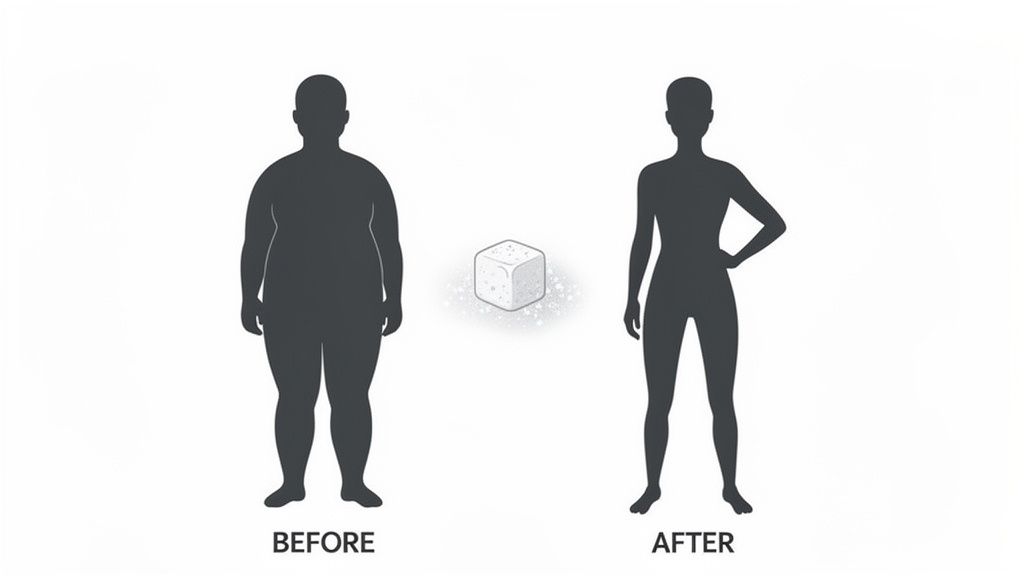
Key Insight: Successful weight loss isn't just about counting calories; it's about improving the quality of those calories. Removing added sugar eliminates a primary driver of fat storage and makes sustainable weight management far more achievable.
How to Achieve Weight Loss Goals
Achieving this benefit starts with mindful consumption and smart swaps. For instance, a health-conscious millennial might share their progress on social media after noticing a significant change simply by replacing their daily sugary coffee drink with a black coffee or unsweetened tea. This single change can cut hundreds of calories and grams of sugar per week.
Here are some actionable tips to get started:
- Swap Sugary Snacks: Replace high-sugar snacks like cookies or candy bars with protein-rich alternatives such as a handful of nuts, Greek yogurt, or a hard-boiled egg. This helps you stay full longer and stabilizes blood sugar.
- Track Your Intake: Use the StopSugar app's daily check-in feature to become aware of how much hidden sugar you're consuming. Seeing the numbers makes it easier to identify areas for improvement.
- Explore Healthier Alternatives: When a craving hits, it's helpful to have a plan. For a comprehensive guide on making smarter choices without sacrificing sweetness, you can learn more about sugar alternatives for weight loss.
- Focus on Progress, Not Perfection: Set realistic, gradual goals for reducing sugar. Aim to cut back by a certain amount each week rather than eliminating it entirely overnight, which makes the change more sustainable.
3. Stabilized Mood and Reduced Anxiety
Beyond physical energy, one of the most profound benefits of reducing sugar intake is achieving a more stable and resilient emotional state. The same blood sugar rollercoaster that tanks your energy also wreaks havoc on your mood, contributing to irritability, anxiety, and emotional highs and lows.
When you consume excess sugar, it disrupts the delicate balance of neurotransmitters like serotonin and dopamine, which are crucial for mood regulation. The initial "sugar high" provides a fleeting sense of pleasure, but the subsequent crash can leave you feeling anxious, irritable, or even depressed. By cutting back on sugar, you prevent these drastic chemical fluctuations in your brain, promoting a calmer and more consistent mood.
Key Insight: Emotional stability is not just about managing external stress; it’s also about controlling the internal chemical chaos caused by sugar. A balanced mood begins with balanced blood sugar.
How to Achieve Emotional Balance
Many individuals report a noticeable reduction in daily anxiety and fewer mood swings within just a few weeks of lowering their sugar consumption. For example, professionals who once relied on sugary snacks to cope with work stress find they can manage pressure more effectively without the added emotional volatility from sugar.
Here are some actionable tips to get started:
- Connect Diet to Mood: Use the StopSugar mood tracker to visually link what you eat with how you feel. Recognizing that a morning donut leads to midday irritability is a powerful motivator for change.
- Find Healthy Comforts: Instead of reaching for sugar during emotional moments, opt for healthier alternatives. A small piece of dark chocolate (70% or higher), a bowl of berries, or a warm cup of herbal tea can provide comfort without the crash.
- Develop New Coping Skills: Identify your emotional eating triggers. When you feel a craving driven by stress or sadness, use the app's panic button for immediate support or engage in non-food activities like a short walk, listening to music, or deep breathing exercises.
4. Reduced Risk of Type 2 Diabetes
One of the most critical long-term benefits of reducing sugar intake is a dramatically lower risk of developing Type 2 diabetes. High sugar consumption is a primary driver of insulin resistance, a condition where your body's cells stop responding effectively to insulin, the hormone that regulates blood sugar.
When you consistently eat a lot of sugar, your pancreas works overtime to produce more and more insulin to clear glucose from your bloodstream. Over time, your cells become desensitized to this constant signaling, and the pancreas can become exhausted. By cutting back on sugar, you give your system a chance to reset, which improves insulin sensitivity and helps maintain stable blood glucose levels, directly tackling the root cause of the disease.
Key Insight: Preventing Type 2 diabetes isn't just about managing blood sugar; it's about restoring your body's natural sensitivity to insulin. Reducing your sugar load is the most direct way to achieve this.
How to Mitigate Your Diabetes Risk
Proactively lowering your risk is achievable through conscious dietary changes. For instance, numerous clinical trials have shown that lifestyle interventions, including sugar reduction, can lower the risk of developing diabetes by over 50% in high-risk individuals. Many people diagnosed with pre-diabetes have even successfully reversed their condition by adopting a lower-sugar diet.
Here are some actionable tips to get started:
- Establish a Baseline: Work with your healthcare provider to test your baseline glucose and HbA1c levels. This gives you a clear starting point to measure your progress against.
- Track Your Intake: Use a tool like the StopSugar app to monitor your daily sugar consumption. This helps you see how small, frequent sources of sugar add up and contribute to your overall metabolic load.
- Combine with Exercise: Pair your dietary changes with regular physical activity. Exercise is a powerful tool for improving insulin sensitivity, and the combination delivers exponential benefits.
- Monitor Your Progress: Retest your glucose and HbA1c levels every three to six months to see the direct impact of your efforts and stay motivated. To understand the connection more deeply, you can explore the science behind how sugar contributes to diabetes.
5. Better Dental Health and Reduced Cavities
One of the most direct and rewarding benefits of reducing sugar intake is a dramatic improvement in your oral health. By cutting back on sugar, you starve the harmful bacteria in your mouth that are responsible for tooth decay, leading to fewer cavities, healthier gums, and a stronger smile.
Sugar is the primary fuel for acid-producing bacteria like Streptococcus mutans. When you eat or drink something sugary, these bacteria feast on it and release acids that erode your tooth enamel, the hard, protective outer layer of your teeth. This demineralization process is what creates cavities. Less sugar means less acid, which directly translates to a lower risk of decay and costly dental procedures.
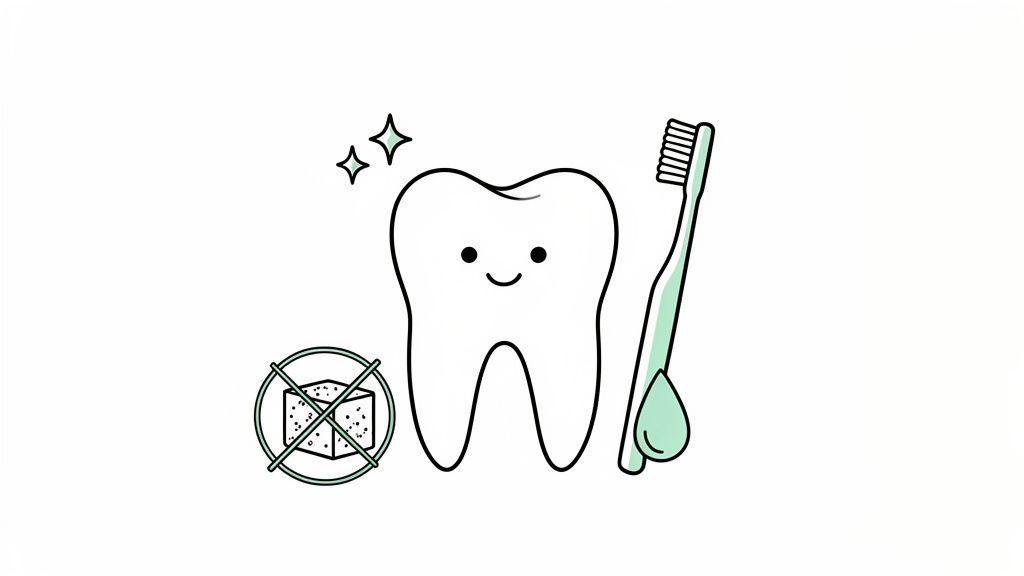
Key Insight: Protecting your teeth isn't just about brushing and flossing; it's about controlling the fuel source for decay. Reducing sugar intake is a proactive defense that weakens the very cause of cavities.
How to Protect Your Smile
This benefit is highly motivating because the results can be confirmed at your next dental checkup. For example, many school programs that educate children on sugar's effects see a measurable drop in cavities. Similarly, orthodontists often report better treatment outcomes for patients who maintain low-sugar diets, as it reduces the risk of decay around braces.
Here are some actionable tips to get started:
- Rinse After Indulging: If you do have a sugary treat, drink a glass of water immediately afterward to help rinse the sugar and acid from your teeth.
- Choose Smart Alternatives: Opt for sugar-free snacks and beverages. Chewing gum with xylitol, for instance, can actually help prevent cavities by stimulating saliva flow and inhibiting bacterial growth.
- Track High-Risk Times: Use a tool like the StopSugar app to identify when you are most likely to reach for sugary foods. Awareness is the first step to finding healthier substitutes for those moments.
- Celebrate Your Success: Schedule regular dental checkups and use a cavity-free report as a powerful motivator to continue your low-sugar lifestyle.
Alongside reducing sugar intake, you can further safeguard your oral health by exploring other proven ways to strengthen tooth enamel and protect your smile.
6. Improved Sleep Quality and Sleep Duration
One of the most profound yet often overlooked benefits of reducing sugar intake is the dramatic improvement in your sleep. Cutting back on sugar helps regulate the hormones and blood glucose fluctuations that disrupt your natural sleep cycles, leading to deeper, more restorative rest.
When you consume sugar, particularly close to bedtime, the resulting blood glucose spike can trigger a release of cortisol and adrenaline, hormones that promote wakefulness. Later, as your blood sugar crashes, your body can be jolted awake, leading to fragmented and poor-quality sleep. By eliminating this disruptive cycle, you allow your body to produce melatonin and serotonin more effectively, the key chemicals for initiating and maintaining deep sleep.
Key Insight: Quality sleep isn't just about going to bed on time; it's about creating the right internal environment. Stable blood sugar is the foundation for uninterrupted, restorative sleep that leaves you feeling truly refreshed.
How to Achieve Better Sleep
Achieving this benefit involves being mindful of not just what you eat, but when you eat it. For instance, many people who struggle with insomnia find that replacing their sugary evening dessert with a handful of almonds or a cup of chamomile tea leads to falling asleep faster and staying asleep longer. This simple swap prevents the hormonal chaos that sugar can cause during the night.
Here are some actionable tips to get started:
- Avoid Sugar Before Bed: Make it a rule to stop consuming sugary foods and drinks at least 3-4 hours before you plan to sleep. This gives your body ample time to stabilize blood glucose levels.
- Choose Sleep-Friendly Snacks: If you feel hungry in the evening, opt for a small snack rich in protein and healthy fats, like a small bowl of Greek yogurt or a few walnuts. These foods promote satiety without disrupting your sleep hormones.
- Track Your Sleep Patterns: Use a tool like the StopSugar wellness tracker to log your sugar consumption and daily sleep quality. Observing the direct link between a low-sugar day and a great night's sleep provides powerful motivation to stick with your new habits. You can learn more about how sugar impacts your rest at stopsugar.app.
7. Clearer Skin and Reduced Acne
One of the most motivating benefits of reducing sugar intake is seeing a visible improvement in your skin's health. Cutting out excess sugar can lead to a clearer complexion and a noticeable reduction in acne, as it directly addresses one of the key internal triggers for skin inflammation and breakouts.
When you consume high-sugar foods, your body experiences a rapid spike in insulin. This hormonal surge stimulates your oil glands (sebaceous glands) to produce more sebum, the oily substance that can clog pores. Furthermore, sugar fuels systemic inflammation and disrupts your skin's microbiome, creating the perfect environment for acne-causing bacteria to thrive.

Key Insight: Clear skin often starts from within. By lowering sugar consumption, you reduce the hormonal and inflammatory triggers that lead to excess oil production and breakouts.
How to Achieve a Clearer Complexion
Many people see significant improvements in their skin within just 4 to 6 weeks of committing to a lower-sugar lifestyle. For instance, individuals who swap their daily sugary coffee drink for an unsweetened option often report fewer breakouts along their jawline and cheeks. While cutting sugar is a powerful step, for a holistic view, you can explore guides on the best diet for clear skin to complement your efforts.
Here are some actionable tips to get started:
- Swap for Skin-Healthy Snacks: Replace sugary treats like cookies and candy with alternatives that support skin health, such as almonds, walnuts, berries, and carrots with hummus.
- Document Your Progress: Take a selfie once a week in the same lighting to visually track the changes in your skin's clarity. This visible evidence provides powerful motivation to stay on track.
- Hydrate for Health: Increase your water intake as you decrease your sugar intake. Proper hydration helps flush out toxins and supports overall skin cell function, amplifying the benefits of your new diet.
- Track Your Intake and Skin Condition: Use a tool like the StopSugar mood tracker to log your daily sugar consumption and make notes about your skin's condition. This helps you identify direct correlations and understand which foods might be triggering breakouts.
8. Decreased Risk of Heart Disease and Improved Cardiovascular Health
Protecting your heart is one of the most compelling long-term benefits of reducing sugar intake. While often associated with fat, sugar is a major, independent risk factor for cardiovascular disease. It negatively impacts your heart health through several pathways, including raising blood pressure, increasing chronic inflammation, and disrupting cholesterol levels.
High sugar consumption drives up triglycerides (a type of fat in your blood), lowers HDL ("good") cholesterol, and increases harmful LDL particles. This combination contributes to the buildup of fatty plaques in your arteries, a condition known as atherosclerosis. By cutting back on added sugars, you directly address these risk factors, taking a proactive step toward maintaining a healthy cardiovascular system for years to come.
Key Insight: Heart health isn't just about avoiding saturated fat; it's also about managing sugar. Reducing your sugar intake is a powerful lever you can pull to lower your risk of heart disease, often with more immediate impact on key blood markers.
How to Support Your Cardiovascular Health
This benefit becomes tangible when you see improvements in your medical check-ups. For instance, individuals in cardiac rehabilitation programs often learn that reducing sugar is as crucial as other lifestyle changes. Many see significant drops in their triglycerides and blood pressure within months of adopting a lower-sugar diet, directly lowering their future risk.
Here are some actionable tips to get started:
- Establish a Baseline: Work with your healthcare provider to get a baseline lipid panel and blood pressure reading. This gives you concrete numbers to track and improve upon.
- Prioritize Heart-Healthy Foods: Actively replace sugary items with foods known to support cardiovascular health, such as olive oil, avocados, nuts, seeds, and fatty fish rich in omega-3s.
- Monitor Your Progress: Use an app like StopSugar to track your daily sugar consumption and stay accountable. Combine this with re-testing your cardiovascular markers every 8-12 weeks to see the measurable impact of your efforts.
- Combine with Exercise: For maximum cardiovascular benefit, pair your reduced sugar intake with regular aerobic exercise like brisk walking, cycling, or swimming. This synergy powerfully enhances heart function and overall health.
8-Point Comparison of Sugar-Reduction Benefits
| Benefit | Implementation Complexity 🔄 | Resource Requirements ⚡ | Expected Outcomes 📊 & Quality ⭐ | Ideal Use Cases 💡 | Key Advantages ⭐ |
|---|---|---|---|---|---|
| Improved Energy Levels and Reduced Fatigue | 🔄 Moderate — dietary adjustments, 1–2 week withdrawal | ⚡ Low–Moderate — tracking, meal planning | 📊 More stable daytime energy; ⭐⭐⭐⭐ — effects in days–weeks | 💡 Office workers, those with afternoon crashes, athletes | ⭐ Reduced energy crashes; better focus and productivity |
| Weight Loss and Improved Body Composition | 🔄 Moderate — sustained lifestyle change | ⚡ Moderate — tracking, healthy substitutes, consistency | 📊 Caloric reduction and fat loss; ⭐⭐⭐⭐ — visible in weeks–months | 💡 Individuals prioritizing weight loss, corporate wellness | ⭐ Sustainable weight loss; appetite regulation |
| Stabilized Mood and Reduced Anxiety | 🔄 Moderate — possible emotional withdrawal | ⚡ Low–Moderate — mood tracking, stress tools | 📊 Reduced mood swings and anxiety; ⭐⭐⭐ — improvements in weeks | 💡 Stressed professionals, people with mood variability | ⭐ More consistent emotional state; improved resilience |
| Reduced Risk of Type 2 Diabetes | 🔄 High — long-term behavioral change + medical oversight | ⚡ Moderate — regular monitoring, exercise, tracking | 📊 Improved insulin sensitivity and lower HbA1c; ⭐⭐⭐⭐⭐ — measurable in 3–6 months | 💡 Pre-diabetic patients, those with family history | ⭐ Strong prevention of progression; reduced medication need |
| Better Dental Health and Reduced Cavities | 🔄 Low — simple intake reductions | ⚡ Low — swaps to tooth-friendly alternatives, hydration | 📊 Fewer cavities and less gum inflammation; ⭐⭐⭐⭐ — visible within weeks | 💡 Parents, dental patients, school programs | ⭐ Immediate, visible oral improvements; lower dental costs |
| Improved Sleep Quality and Sleep Duration | 🔄 Moderate — timing and habit changes | ⚡ Low–Moderate — avoid evening sugar, track sleep | 📊 Longer deep sleep and fewer awakenings; ⭐⭐⭐⭐ — benefits in 2–3 weeks | 💡 Poor sleepers, shift workers, those with insomnia | ⭐ Better recovery, enhanced cognition and mood |
| Clearer Skin and Reduced Acne | 🔄 Moderate — multifactorial effects (diet + care) | ⚡ Low–Moderate — diet tracking, skincare adjustments | 📊 Reduced breakouts and inflammation; ⭐⭐⭐⭐ — visible in 4–6 weeks | 💡 Teenagers, young adults seeking cosmetic improvement | ⭐ Noticeable complexion improvements; less reliance on meds |
| Decreased Risk of Heart Disease and Improved Cardiovascular Health | 🔄 High — sustained change and monitoring required | ⚡ Moderate–High — lipid panels, BP monitoring, lifestyle changes | 📊 Improved lipids, BP, and inflammation; ⭐⭐⭐⭐ — measurable in 8–12 weeks | 💡 Health-conscious adults, post-cardiac patients | ⭐ Lower heart attack/stroke risk; better long-term outcomes |
Your Next Step Towards a Sugar-Free Life
We've explored the incredible ripple effect that comes from making one simple, yet powerful, change: reducing your sugar intake. The journey from constant energy slumps to sustained vitality, or from frustrating weight plateaus to noticeable improvements in body composition, begins with that first conscious decision to choose differently. The benefits of reducing sugar intake are not just abstract health goals; they are tangible upgrades to your daily quality of life.
Remember the interconnected nature of these advantages. Improved sleep quality directly fuels your energy levels the next day. Stabilized moods make it easier to resist emotional eating and stick to your goals, which in turn supports weight management. Clearer skin boosts your confidence, while a healthier heart and lower diabetes risk secure your well-being for the future. Each positive change builds upon the last, creating a powerful cycle of wellness.
Your Action Plan for Lasting Change
The key takeaway is that this transformation doesn't require an "all or nothing" approach. Small, consistent actions are what build unstoppable momentum. Here’s how you can start turning this knowledge into your new reality today:
- Start with One Swap: Don't try to overhaul your entire diet overnight. This week, focus on just one thing. Swap your sugary morning cereal for oatmeal with berries, or replace your afternoon soda with sparkling water and a slice of lime.
- Read the Labels: Begin the habit of checking the "Added Sugars" line on nutrition labels. You’ll be surprised where sugar hides. This simple act of awareness is one of the most effective tools for change.
- Track Your Progress (and Your Mood): The connection between sugar and your mental state is profound. Use a tool to monitor how you feel on days you eat less sugar. Seeing the positive correlation in black and white provides powerful motivation to continue.
Embrace Progress, Not Perfection
This journey is yours alone, and it won't always be a straight line. There will be challenging days, unexpected cravings, and social situations filled with tempting treats. That's perfectly normal. The goal isn't to be flawless; it's to be mindful and resilient.
Key Insight: Your success isn't defined by avoiding sugar 100% of the time. It's defined by making a better choice more often than you did before and learning how to get back on track without guilt.
This is where having a dedicated partner can make all the difference. The StopSugar app is specifically designed to support you through these very moments. Use the daily check-in to build that crucial awareness of your habits. Lean on the 'Alternatives' feature when a craving strikes and you need a healthy idea fast. And when you feel overwhelmed, the 'Panic Button' offers immediate, guided support to help you navigate the urge without derailing your progress.
The incredible benefits of reducing sugar intake are within your reach. They are not reserved for elite athletes or wellness gurus; they are available to anyone willing to take that first small step. Download StopSugar today, and start building the healthier, more energetic, and vibrant life you deserve. Your future self will thank you for it.