How to Reverse Insulin Resistance A Proven Guide
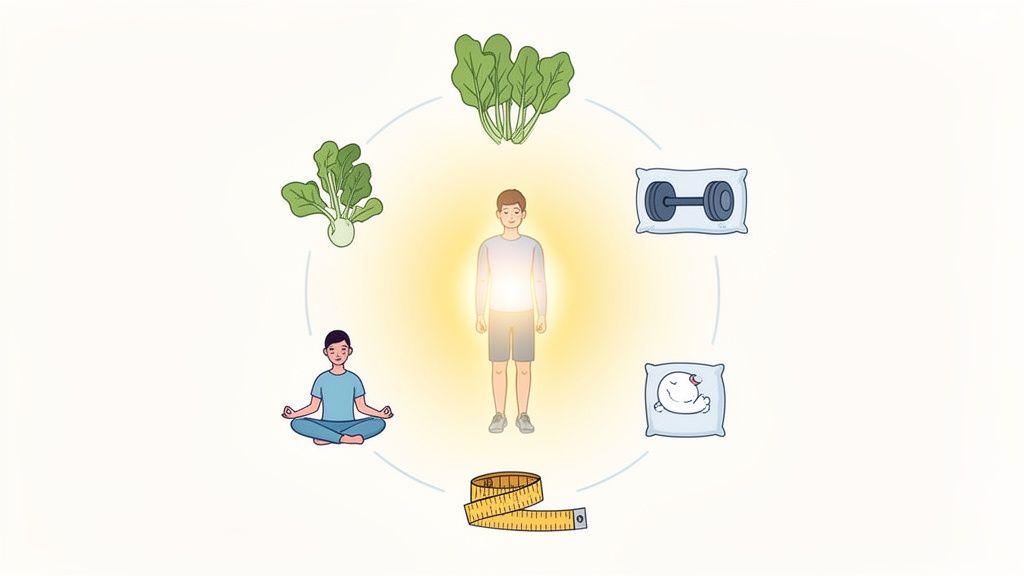
It's absolutely possible to reverse insulin resistance, and the path forward usually involves a targeted plan for your diet and how you move your body. Think of it less as a "diet" and more as a strategic shift. The goal is to dial back your intake of added sugars and refined carbs while ramping up your physical activity—specifically, a mix of workouts that get your heart pumping and ones that build strength.
Making these changes helps your cells listen to insulin again, essentially resetting your metabolic health.
What Is Insulin Resistance and Why Does It Matter?
Let's use an analogy. Imagine insulin is the key that unlocks the doors to your body's cells. After you eat, your pancreas sends out these keys (insulin) to let glucose—your body's main fuel source—inside the cells. This whole process keeps your blood sugar levels stable and your energy up.
But with insulin resistance, the locks on your cell doors get a bit rusty. The key still fits, but it's much harder to turn. Your pancreas notices this and starts working overtime, pumping out more and more insulin to muscle those doors open. For a while, this works. Your blood sugar might even look normal on a standard test.
The real problem is the chronically high level of insulin quietly circulating in your system. This isn't full-blown type 2 diabetes, but it's the most critical stop on the way there. Getting a handle on this stage is the key to turning things around for good. To dive deeper into this "in-between" stage, check out our guide on what is prediabetes.
Common Signs and Markers of Insulin Resistance
Before you can tackle a problem, you have to know it's there. Because blood sugar can stay in the normal range for years, the early signs of insulin resistance are often subtle and easy to brush off. The table below outlines some common physical symptoms and the lab markers your doctor might check to get a clearer picture.
| Symptom or Marker | What to Look For | Why It Matters |
|---|---|---|
| Persistent Belly Fat | Stubborn fat around your midsection (visceral fat) that doesn't budge with diet and exercise. | This type of fat actively releases inflammatory compounds that worsen insulin resistance. |
| Intense Sugar Cravings | Strong, almost uncontrollable cravings for sweets or carbs, especially right after a meal. | Your cells aren't getting fuel efficiently, so they send urgent "I'm hungry!" signals to your brain. |
| Afternoon Energy Slumps | A predictable crash in energy and focus, typically between 2 and 4 p.m. | This is a classic sign of the blood sugar rollercoaster caused by your cells struggling for fuel. |
| Skin Tags or Dark Patches | Small skin growths (tags) or dark, velvety patches of skin (acanthosis nigricans), often on the neck or in armpits. | High levels of circulating insulin can stimulate skin cell growth, leading to these visible signs. |
| Fasting Insulin | A blood test result showing fasting insulin above 10 μIU/mL (ideally under 5). | This directly measures how hard your pancreas is working. It’s one of the earliest signs. |
| High Triglycerides | A fasting triglyceride level over 150 mg/dL. | When your liver is insulin resistant, it pumps out more triglycerides into the bloodstream. |
| Low HDL Cholesterol | An HDL ("good") cholesterol level below 40 mg/dL for men or below 50 mg/dL for women. | Insulin resistance often leads to this specific pattern of unhealthy cholesterol levels. |
Having one or more of these doesn't automatically mean you have insulin resistance, but they are important clues. It’s always best to discuss these signs and lab results with your healthcare provider to understand the full context of your health.
Recognizing the Subtle Signs
So, what does this feel like day-to-day? Because blood sugar can stay normal for a long time, the symptoms of insulin resistance often fly under the radar. People often blame them on aging or just being busy.
Do any of these sound familiar?
- You're carrying extra weight around your middle that just won't seem to go away, no matter what you try. This isn't just any fat; it's called visceral fat, and it's a huge red flag for metabolic issues.
- You get hit with intense sugar cravings, especially after a meal. This happens because your cells are starving for energy and sending frantic signals to your brain for a quick fix.
- That 3 p.m. energy crash feels inevitable. It's not just a sign of a long day; it's often your body struggling with unstable energy delivery.
- You experience brain fog or have trouble concentrating. Your brain is a huge energy consumer. When its cells become insulin resistant, they can't get the fuel they need to function at their best.
The Global Impact of Insulin Resistance
This isn't some rare condition affecting a small number of people. It's a massive global issue.
A huge 2025 meta-analysis published in Frontiers in Endocrinology looked at data from over 235,000 people and found that insulin resistance affects an estimated 26.53% of the global adult population. That means roughly one in four adults is dealing with this, putting them at a much higher risk for developing type 2 diabetes and heart disease. You can read the full systematic review on global insulin resistance prevalence for a deeper look at the data.
The key takeaway is that insulin resistance isn't a final diagnosis but a critical warning sign. It’s your body’s way of telling you that its fuel management system is under stress, giving you the opportunity to make changes before more serious health issues develop.
The Food Plan That Fights Insulin Resistance
The place where you’ll make the biggest dent in insulin resistance is, without a doubt, your kitchen. This isn't about starting some miserable, restrictive diet. It’s about making a strategic shift toward whole foods that help your body heal and function the way it's supposed to.
When you start focusing on what you can add to your plate—things like quality protein, tons of fiber, and healthy fats—you naturally begin to push out the processed stuff that’s causing the problem in the first place.
This simple shift helps stabilize your blood sugar, keeps you feeling full for hours, and tames those wild cravings that can completely derail your efforts. It's about building smart, sustainable eating habits that you can actually stick with long-term.
Prioritize Protein and Fiber at Every Meal
Think of protein and fiber as your blood sugar control team. Protein slows down how quickly your stomach empties, which helps you feel full and satisfied. At the same time, fiber acts like a sponge, slowing down how fast sugar enters your bloodstream. Put them together in one meal, and you've created a powerful buffer against the sharp glucose spikes that make insulin resistance worse.
A classic example is breakfast. Toast with jam gives you a quick sugar rush followed by a hard crash. But if you swap that for a veggie omelet with a side of avocado, you get steady, sustained energy. The protein and fat keep you full for hours, so you won't feel that mid-morning slump or the urge to reach for a sugary snack.
A simple rule of thumb: Make sure every plate you build has a primary source of protein and a generous serving of fiber-rich vegetables. This single habit is one of the most effective ways to start reversing insulin resistance.
This infographic shows some of the common signs that your body might be struggling to manage insulin effectively.
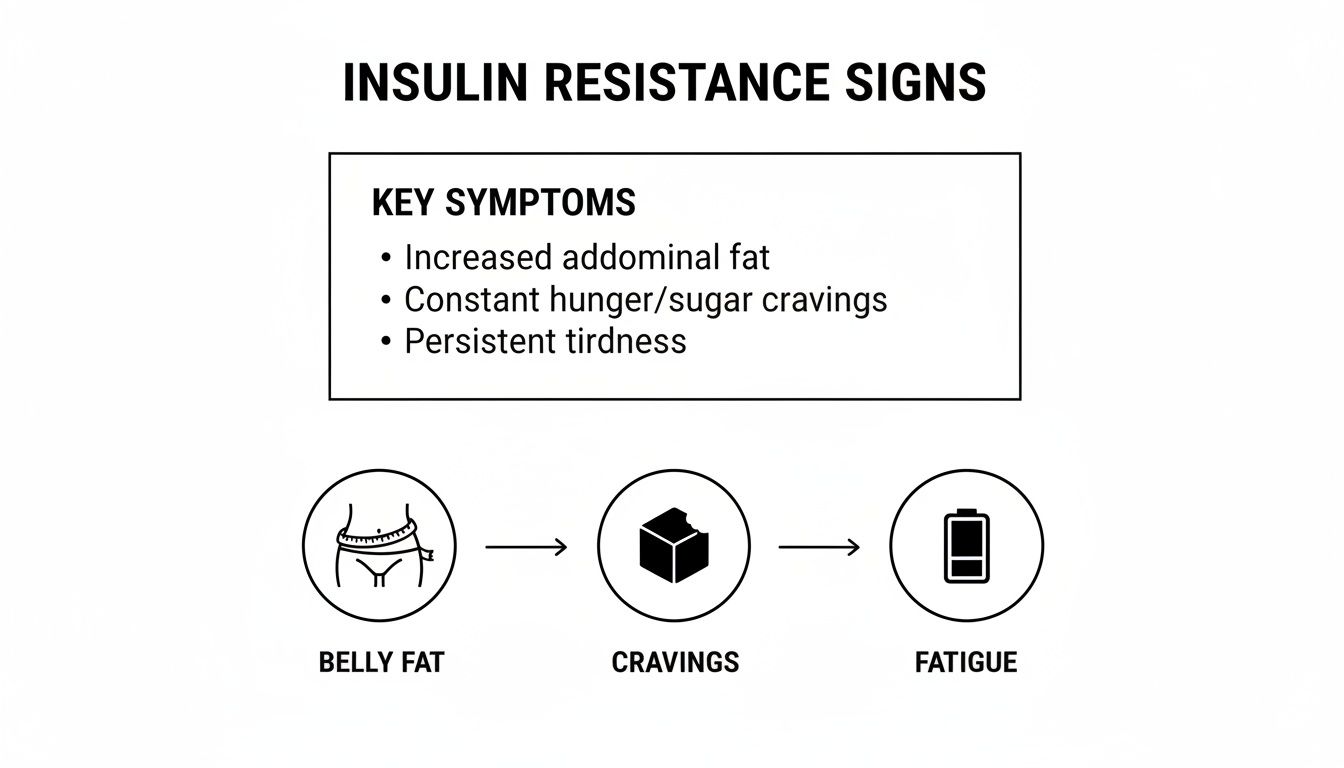
As you can see, things like stubborn belly fat, constant cravings, and feeling tired all the time are major red flags that your body's insulin response isn't working as it should.
The Power of Reducing Added Sugars
If there's one change that will give you the most bang for your buck, it's slashing your intake of added sugars. These are the sugars lurking in everything from soda and coffee drinks to "healthy" yogurts and salad dressings. They are the primary driver behind the vicious cycle of high insulin and cellular resistance.
The amazing part is how quickly your body responds when you cut back. We’re not just talking theory here. Clinical observations show that reducing added sugars by just 50% can improve insulin sensitivity by 20-30% in a matter of weeks. This happens because your body finally gets a chance to clear out the excess fat stored in your liver and muscles.
This doesn't mean you can never have a sweet treat again. It just means being more mindful and intentional, shifting your daily patterns away from foods and drinks that are loaded with empty calories.
Smart Food Swaps for Better Insulin Sensitivity
Making lasting change is all about small, easy swaps, not a massive, overnight pantry raid. Start with one or two changes that feel doable and build on that success. The table below has some practical ideas to get you started on swaps that can make a huge difference in your blood sugar.
Smart Food Swaps for Better Insulin Sensitivity
| Instead of This | Try This Swap | The Benefit |
|---|---|---|
| Sugary Breakfast Cereal | A Bowl of Oatmeal with Berries and Nuts | The fiber in oats and nutrients in berries provide slow-release energy, preventing a morning glucose spike. The nuts add protein and healthy fats for satiety. |
| White Bread Sandwich | A Large Salad with Grilled Chicken or Chickpeas | This swap drastically cuts down on refined carbohydrates and boosts your intake of protein and fiber, keeping you full and energized through the afternoon. |
| Bag of Potato Chips | A Handful of Almonds or an Apple with Peanut Butter | This provides a balanced mix of protein, healthy fats, and fiber instead of empty calories and processed carbs, effectively curbing hunger without a crash. |
| Sugary Soda or Juice | Sparkling Water with a Squeeze of Lemon or Lime | You get the satisfaction of a bubbly, flavorful drink without the massive dose of sugar that sends your insulin into overdrive. |
Getting comfortable reading food labels is another game-changing skill. Start looking for the "Added Sugars" line on the nutrition panel—you'll be shocked where sugar hides. A great rule of thumb is to aim for less than 8 grams of added sugar per serving in any packaged food you buy.
Building Your Insulin-Friendly Plate
So, what does a perfect meal actually look like? It's simpler than you think. Use this template as a guide for every meal you eat:
- Half Your Plate Veggies: Load it up with non-starchy vegetables like leafy greens, broccoli, bell peppers, or cauliflower. They're packed with fiber and essential nutrients.
- A Quarter of Your Plate Protein: Pick a high-quality protein source. Think grilled chicken, fatty fish like salmon, eggs, tofu, or lentils.
- A Quarter of Your Plate Complex Carbs & Healthy Fats: Add a small portion of a complex carb like quinoa, sweet potato, or black beans. Then, include a healthy fat from avocado, olive oil, nuts, or seeds.
This balanced plate ensures you’re getting all the nutrients you need to feel great while keeping your blood sugar stable. For more specific food ideas, you can check out our detailed guide on the best foods for insulin resistance. It’s all about creating a sustainable lifestyle, not just following a short-term diet.
How Movement Restores Insulin Sensitivity
If changing your diet is like changing the fuel in your car's engine, then movement is what turns the key in the ignition. Hands down, exercise is one of the most powerful and immediate tools you have to fight back against insulin resistance.
Here's why: physical activity creates a sort of "backdoor" for glucose to get into your muscle cells, bypassing the need for much insulin at all. It's a fantastic workaround.
This means every time you move—whether it's a brisk walk outside or lifting a heavy box—you're actively helping your body clear sugar from your bloodstream. You don't have to become a marathon runner overnight. The real goal is to find consistent, enjoyable ways to move that turn your body into a more efficient, sugar-burning machine.
Combining Cardio and Strength for Maximum Impact
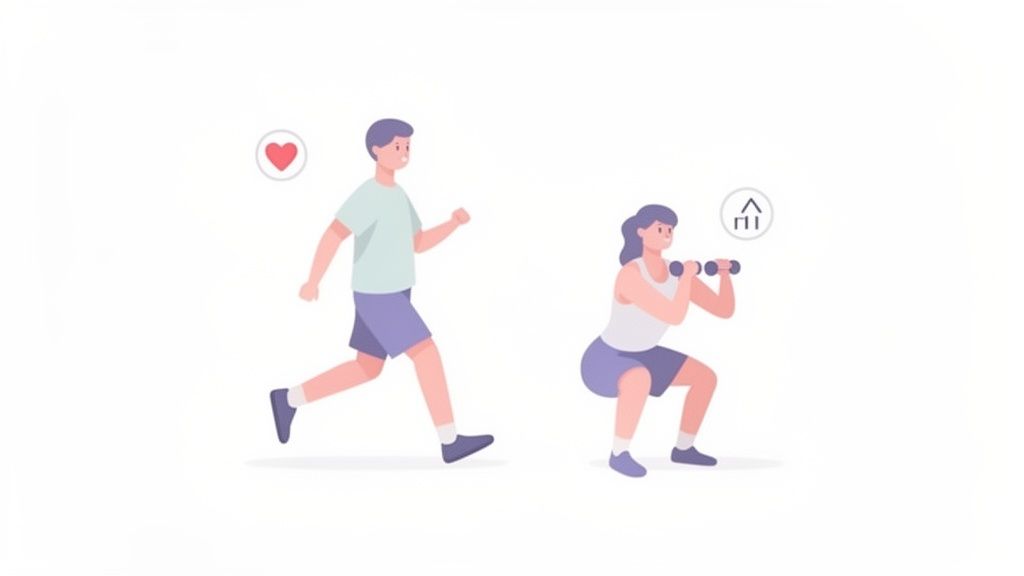
From my experience, the most effective approach isn’t about choosing one type of exercise over another. It’s about combining two kinds: aerobic (cardio) and resistance (strength) training. Think of them as a one-two punch against high blood sugar.
Cardio, like a brisk walk, jog, or bike ride, makes your muscles immediately hungry for glucose. This effect can boost your insulin sensitivity for up to 24-48 hours after just one session.
Resistance training, on the other hand, plays the long game. When you build even a small amount of lean muscle, you're essentially creating more storage tanks for glucose. Your muscles are the primary place your body stashes carbs (as glycogen), so having more muscle means you can pull more sugar out of your blood.
Exercise is unique because it triggers a non-insulin-dependent pathway for glucose uptake in your muscles. This means your muscles can absorb sugar directly from the blood during and after activity, giving your overworked pancreas a much-needed break.
A well-rounded plan doesn't have to be complicated. It could look something like this:
- Aerobic Activity: Aim for 3-4 days per week of moderate-intensity cardio. That could be 30 minutes of brisk walking, cycling, or swimming.
- Resistance Training: Squeeze in 2-3 days per week of strength work. This can be as simple as bodyweight exercises like squats, push-ups, and lunges performed right in your living room.
The secret ingredient here is finding activities you genuinely enjoy. If you dread the gym, don't force it. Try a dance class, go hiking with a friend, or join a local sports team. Sustainability is far more important than intensity when you're building a new habit.
Your Movement Prescription
Let's make this practical. The goal is to build a routine that feels good and delivers results without leading to burnout.
One of the simplest and most effective habits you can start today is taking a 10-minute walk immediately after your largest meal. This small action can blunt the post-meal blood sugar spike by as much as 30%, helping to keep your insulin levels lower and more stable.
Here are a few more actionable tips to get you moving:
- Start with Your Bodyweight: You don't need any fancy equipment. Begin with foundational movements to build strength and confidence.
- Squats: Aim for 3 sets of 10-15 repetitions.
- Push-ups: Do them on your knees or against a wall if a full push-up is too much. Try 3 sets to your comfortable limit.
- Plank: Hold for 20-30 seconds, for 3 sets.
- Embrace "Exercise Snacking": Can't find a solid 30-minute block of time? Break it up! A 10-minute walk in the morning, 10 minutes of squats at lunch, and a 10-minute walk after dinner is just as effective.
- Track Progress Beyond Weight: Pay attention to how you feel. Are you sleeping better? Do you have more energy in the afternoon? Are your clothes fitting a little looser? These "non-scale victories" are powerful motivators.
Remember, muscle is your metabolic currency. By consistently mixing in both aerobic and strength exercises, you aren't just burning calories—you are fundamentally rewiring how your body manages energy. This two-pronged approach is a cornerstone strategy for anyone serious about reversing insulin resistance for good.
Why Sleep and Stress Management Are Non-Negotiable
You can clean up your diet and nail every workout, but if you're ignoring sleep and stress, you're fighting an uphill battle. These aren't just "nice-to-haves"; they are powerful hormonal regulators that can either supercharge your progress or completely derail your efforts to reverse insulin resistance.
Think of your body as a finely tuned orchestra. When you consistently get poor sleep or run on chronic stress, you’re essentially telling the conductor to go home. The result is hormonal chaos that directly messes with how your body uses sugar.

The Direct Link Between a Bad Night's Sleep and Insulin
The connection here is surprisingly fast. Research shows that even a single night of bad sleep can tank your insulin sensitivity the very next day. When you're running on fumes, your body just isn't as good at getting glucose out of your bloodstream, which forces your pancreas to work overtime.
Why does this happen? A lack of sleep spikes your stress hormone, cortisol, while scrambling the signals from your appetite-regulating hormones, ghrelin and leptin. This hormonal mess not only makes your cells more resistant to insulin but also fires up intense cravings for the exact sugary, carb-heavy foods you're trying to limit.
A consistent sleep routine is one of the most powerful—and most overlooked—tools for metabolic health. Getting 7-9 hours of quality sleep isn't a luxury; it's a non-negotiable for helping your body hear insulin's signals again.
How Chronic Stress Keeps Your Blood Sugar High
Stress works along a similar, destructive path. When you’re constantly stressed out, your body is swimming in cortisol. In a true "fight or flight" emergency, cortisol's job is to flood your system with glucose for quick energy so you can escape danger.
But for most of us, the "danger" is a traffic jam, a looming deadline, or a mountain of bills. The stress is chronic, not a one-off event. This means cortisol is constantly poking your liver to release more sugar, keeping your blood glucose levels artificially high. Your pancreas has to pump out extra insulin to handle this relentless sugar drip, and that's a direct route to insulin resistance.
For a deeper dive into improving your nightly rest, there are great strategies on how to improve sleep quality naturally.
Actionable Strategies for Better Sleep Tonight
You don't need a massive life overhaul to sleep better. Start with a few small, consistent habits that tell your body it's time to power down.
- Create a "Power-Down Hour": An hour before bed, kill the screens. The blue light from your phone, tablet, or TV is notorious for suppressing melatonin, the sleep hormone. Use this time to read an actual book, listen to a calming podcast, or take a warm bath.
- Optimize Your Sleep Cave: Your bedroom should be a sanctuary for sleep. Keep it cool (around 65°F or 18°C is ideal for most people), pitch black (blackout curtains or a good eye mask are your friends), and quiet (try earplugs or a white noise machine).
- Be Boringly Consistent: Try to go to bed and wake up around the same time every single day. Yes, even on weekends. This consistency is gold for reinforcing your body's internal clock, or circadian rhythm.
Simple Techniques to Tame Daily Stress
You can't just wish stress away, but you can definitely build your resilience to it. The goal is to learn how to flip the switch from the "fight or flight" response to the "rest and digest" response.
- Practice Box Breathing: This is a surprisingly powerful technique you can do anywhere, anytime. Inhale for a count of four, hold your breath for four, exhale for four, and hold again for four. A couple of minutes of this can immediately calm your nervous system.
- Schedule "Worry Time": Instead of letting anxieties simmer on the back burner all day, give them a dedicated 10-minute slot. Acknowledge them, write them down, and then move on. This helps contain the mental chatter.
- Get a "Nature Pill": Even a few minutes spent outside in a park or any green space can tangibly lower cortisol. A quick walk on your lunch break isn't just a break—it's a prescription.
Mastering your sleep and stress isn't a side quest. It's essential for creating the hormonal environment your body needs to finally reverse insulin resistance.
Building a Sustainable System for Long-Term Success
Making those first big changes to your diet, exercise, and sleep is a massive win. But let's be honest, the real work is making it all stick. This is where you shift from a temporary "fix" to a lifestyle that can actually reverse insulin resistance for good.
Lasting change isn’t about being perfect. It’s about building a system that can handle real life—the stressful days, the celebrations, and everything in between. You need a foundation so solid that one off-meal doesn't spiral into an off-week.
Tracking Progress Beyond the Scale
The number on the scale tells such a small part of the story. If you only focus on that, you’ll miss the real magic happening inside your body. True progress is about how you feel and function every single day.
Start tuning into these "non-scale victories," because they're the best motivators you've got:
- Steady Energy: Are you cruising through the afternoon without crashing or reaching for that fourth coffee?