The 10 Best Foods for Insulin Resistance to Try in 2026
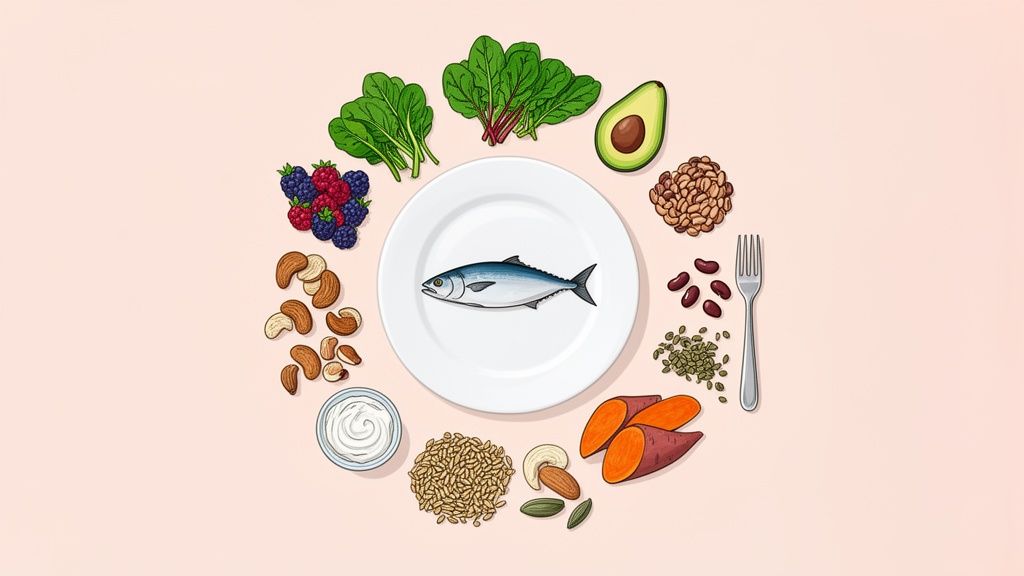
Insulin resistance can feel like a silent battle, where your body struggles to use the energy from food, leading to fatigue, weight gain, and persistent sugar cravings. The good news is that you hold a powerful tool in your hands three times a day: your fork. The right food choices can fundamentally shift how your cells respond to insulin, turning the tide on this metabolic challenge.
Forget bland, restrictive diets. This guide is about adding delicious, powerful foods that actively work to improve your insulin sensitivity. We're moving beyond generic advice and focusing on a curated list of the best foods for insulin resistance, each selected for its proven ability to support stable blood sugar. You have the power to influence your metabolic health with every meal, and this article will show you exactly how.
We will explore the top 10 science-backed foods that not only stabilize your glucose levels but also help you break free from the sugar cycle. For each item on our list, you will get actionable insights and practical implementation details, including:
- The specific benefit of each food and the science behind why it works.
- Portion and preparation tips to maximize its positive effects.
- Simple meal ideas and swaps to easily replace high-sugar, processed items.
- Crucial cautions or considerations for incorporating them into your diet.
- How to track your choices and build consistent habits using the StopSugar app.
This is not just a list; it's a practical roadmap. Let's dive in and start making food work for you, not against you, in the journey to better metabolic health.
1. Leafy Green Vegetables (Spinach, Kale, Arugula)
When building a diet to combat insulin resistance, leafy greens like spinach, kale, and arugula should be your foundation. These nutritional powerhouses are exceptionally low in carbohydrates and calories, meaning they have a minimal impact on blood sugar levels. Their high fiber content also slows down digestion, which helps prevent the rapid glucose surges that demand a strong insulin response.
Greens are also rich in magnesium, a mineral that plays a vital role in glucose metabolism and insulin signaling. Studies show a strong link between higher magnesium intake and improved insulin sensitivity, making these vegetables one of the best foods for insulin resistance.
How to Incorporate Leafy Greens
- Portion Size: Aim for at least 1-2 cups of cooked greens or 3-4 cups of raw greens daily.
- Simple Swaps: Replace iceberg lettuce in sandwiches with nutrient-dense spinach or arugula. Use large collard green or kale leaves as wraps for tacos instead of flour tortillas.
- Meal Ideas: Start your day by adding a large handful of spinach to your scrambled eggs or smoothie. For lunch, build a substantial salad with a base of mixed greens, a protein source like grilled chicken, and a healthy fat like avocado.
- Convenience Tip: Make greens a non-negotiable part of your meals. Blend them into soups, stews, or pasta sauces to effortlessly boost your intake without drastically changing the flavor.
Key Insight: Pairing leafy greens with a source of healthy fat, such as an olive oil vinaigrette or sliced avocado, not only makes them more satisfying but also enhances your body's absorption of fat-soluble vitamins like A, D, E, and K.
Tracking with StopSugar App
Use the StopSugar app's meal logger to ensure you are consistently meeting your green vegetable goals. You can set a daily reminder to "Add a serving of greens" to your lunch or dinner. Monitoring your intake helps connect the dots between eating more greens and experiencing more stable energy levels, which is crucial for understanding how to prevent drastic blood sugar spikes.
2. Fatty Fish (Salmon, Mackerel, Sardines)
Incorporating fatty fish like salmon, mackerel, and sardines into your diet is a powerful strategy for improving insulin sensitivity. These fish are packed with high-quality protein and, most importantly, omega-3 fatty acids. This potent combination helps reduce the chronic inflammation often associated with insulin resistance, allowing your cells to respond more effectively to insulin.
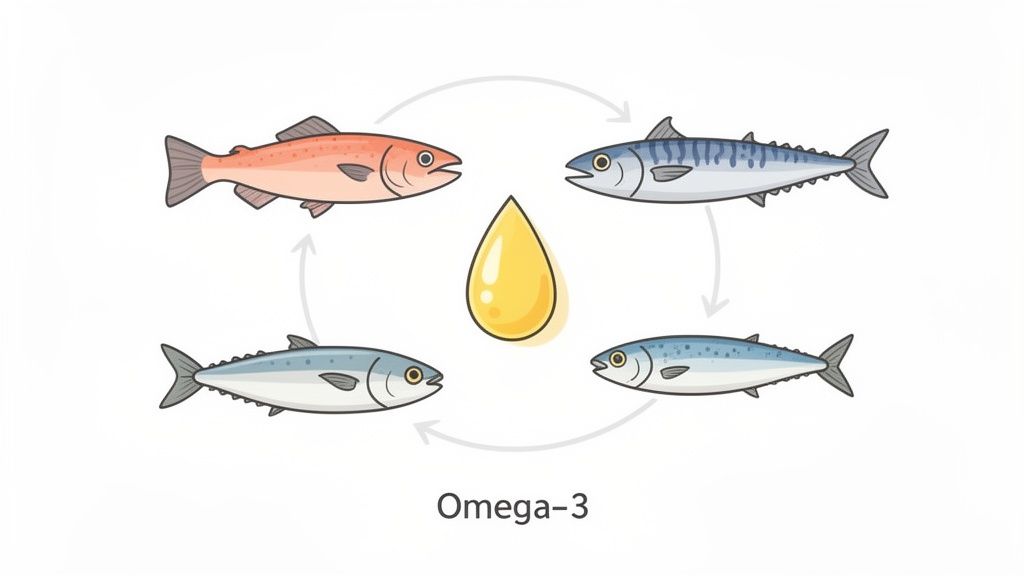
The protein and healthy fats in fatty fish also promote satiety, keeping you feeling full and stabilizing blood sugar levels for hours. This effect helps manage the dopamine dysregulation that often drives intense sugar cravings, making it one of the best foods for insulin resistance by addressing both the physiological and psychological aspects of the condition.
How to Incorporate Fatty Fish
- Portion Size: Aim for at least two 3.5-ounce (100-gram) servings of fatty fish per week, as recommended by the American Heart Association.
- Simple Swaps: Replace processed meats like deli turkey in your sandwiches with a flakey canned salmon salad. Instead of a high-carb breaded chicken cutlet, opt for a baked mackerel fillet.
- Meal Ideas: Enjoy grilled salmon with a side of roasted broccoli for a simple, nutrient-dense dinner. Mash sardines with avocado and lemon juice to spread on whole-grain crackers for a quick, high-protein lunch.
- Convenience Tip: Keep canned sardines, mackerel, or wild-caught salmon on hand for effortless meals. They require no cooking and can be added to salads, wraps, or eaten straight from the can.
Key Insight: Choose wild-caught fish over farmed varieties when possible, as they generally have a higher concentration of omega-3 fatty acids and a better overall nutritional profile.
Tracking with StopSugar App
Use the StopSugar meal logger to schedule your two weekly servings of fatty fish. You can set a recurring goal to "Eat Fatty Fish" on specific days, like Tuesdays and Fridays, to ensure consistency. Monitoring your protein intake is also crucial, and the app can help you see how these meals contribute to your daily targets. You can explore a deeper dive into optimizing protein intake to further support your goals.
3. Nuts and Seeds (Almonds, Walnuts, Flaxseed, Chia)
Nuts and seeds are an excellent addition to a diet aimed at managing insulin resistance. They offer a powerful combination of healthy monounsaturated and polyunsaturated fats, fiber, and protein. This nutrient trio works together to slow the absorption of glucose into the bloodstream, promoting stable blood sugar and preventing the sharp insulin spikes often caused by high-carb snacks.
The high fiber and healthy fat content also contribute to a feeling of fullness, or satiety. This helps reduce cravings for sugary, processed snacks that can worsen insulin resistance. Including nuts and seeds is a simple yet effective strategy for sustained energy and better blood sugar control, making them some of the best foods for insulin resistance.
How to Incorporate Nuts and Seeds
- Portion Size: Stick to a small handful, about 1/4 cup (or 1 ounce), for a serving. Pre-portioning them into small bags or containers can help prevent overeating, as they are calorie-dense.
- Simple Swaps: Replace a bag of chips or a candy bar with a serving of almonds for a mid-afternoon snack. Instead of sugary breakfast cereal, opt for chia seed pudding made with unsweetened almond milk and berries.
- Meal Ideas: Add a tablespoon of ground flaxseed or chia seeds to your morning smoothie or yogurt for a fiber boost. Sprinkle chopped walnuts or slivered almonds over salads or roasted vegetables to add satisfying crunch and healthy fats.
- Convenience Tip: Choose raw or dry-roasted varieties without added sugars, salt, or inflammatory oils. Soaking chia and flax seeds in water for at least 15 minutes before consumption can enhance their digestibility and absorption.
Key Insight: The combination of protein, fiber, and fat in nuts and seeds makes them a low-glycemic food. This means they are digested slowly, providing a gradual release of energy that helps keep your insulin response steady and controlled throughout the day. You can find more options by exploring a low-glycemic index foods list.
Tracking with StopSugar App
Use the StopSugar app's "Snack Log" feature to track your intake of nuts and seeds. You can create a custom snack entry like "1/4 cup almonds" to easily monitor your portions. Pay attention to the "Energy Level" tracker in the app to see how swapping a sugary snack for nuts improves your afternoon energy and focus.
4. Cruciferous Vegetables (Broccoli, Cauliflower, Brussels Sprouts)
Beyond leafy greens, cruciferous vegetables like broccoli, cauliflower, and Brussels sprouts offer unique benefits for managing insulin resistance. These vegetables are low in carbohydrates and high in fiber, helping to stabilize blood sugar by slowing glucose absorption. They also contain powerful compounds, such as sulforaphane, which have been shown to reduce oxidative stress and improve insulin sensitivity.
The unique compounds in cruciferous vegetables also support the body's natural detoxification processes, particularly in the liver. A healthy liver is essential for proper glucose metabolism, making these some of the best foods for insulin resistance as they help address metabolic dysfunction at a cellular level.
How to Incorporate Cruciferous Vegetables
- Portion Size: Aim for at least 1-2 cups of cooked or raw cruciferous vegetables per day.
- Simple Swaps: Replace high-carb sides like rice and pasta with cauliflower rice or mashed cauliflower. Instead of potato chips, snack on roasted broccoli florets seasoned with garlic powder.
- Meal Ideas: Create a simple and satisfying dinner by roasting Brussels sprouts and broccoli with a protein source like salmon or chicken sausage. Blend steamed, frozen cauliflower into smoothies for a creamy texture without adding sugar.
- Convenience Tip: Buy pre-cut or frozen broccoli and cauliflower to cut down on prep time. Roasting at a high heat (around 400°F or 200°C) with olive oil brings out a natural sweetness and removes any bitterness.
Key Insight: Introduce cruciferous vegetables gradually if you are not used to eating them. Their high fiber content can cause gas or bloating for some, but your digestive system will typically adapt over time as you consistently include them in your diet.
Tracking with StopSugar App
Use the StopSugar meal logger to track your cruciferous vegetable intake and note how it affects your satiety and energy. You can use the app's "Notes" feature on a meal to record how a swap, like using cauliflower rice instead of white rice, made you feel. This helps you build a personalized understanding of which foods best support your blood sugar goals.
5. Eggs and Egg-Based Proteins
Eggs are a breakfast staple for a reason, especially for those managing insulin resistance. As a complete protein source with zero carbohydrates, eggs have virtually no impact on blood sugar levels, preventing the glucose spikes that demand a significant insulin response. Their balanced amino acid profile promotes satiety, helping to curb mid-morning cravings and the energy crashes that often lead to reaching for sugary snacks.
Furthermore, eggs are a fantastic source of choline, a nutrient crucial for cell membrane integrity and brain health. This combination of stable energy and cognitive support makes eggs one of the best foods for insulin resistance, helping to establish a balanced metabolic rhythm from the very start of your day.
How to Incorporate Eggs
- Portion Size: Aim for 2-3 whole eggs per meal to achieve optimal satiety and protein intake.
- Simple Swaps: Replace a morning bowl of sugary cereal or a bagel with a vegetable omelet or scrambled eggs. Choose hard-boiled eggs for a snack instead of a granola bar or crackers.
- Meal Ideas: Start your day with a two-egg omelet filled with spinach and mushrooms. Prepare a batch of egg muffins with cheese and bell peppers for quick, grab-and-go breakfasts. A frittata packed with greens and leftover roasted vegetables makes for an excellent lunch or dinner.
- Convenience Tip: Boil a dozen eggs at the beginning of the week. They serve as an instant, portable, and protein-rich snack that requires no preparation when you're busy.
Key Insight: Whenever possible, opt for pasture-raised eggs. These eggs typically have a more favorable fatty acid profile, including higher levels of anti-inflammatory omega-3s, which can further support metabolic health and insulin sensitivity.
Tracking with StopSugar App
Use the StopSugar app to track your breakfast choices and see the direct impact of starting your day with protein. Log your egg-based breakfast in the meal logger and then use the app’s notes feature to record your energy and craving levels throughout the morning. This practice will reinforce the connection between a high-protein breakfast and improved blood sugar control, helping you build a sustainable habit.
6. Berries (Blueberries, Raspberries, Strawberries)
When managing insulin resistance, many people believe they must eliminate all fruit, but berries are a powerful exception. Unlike most other fruits, berries like blueberries, raspberries, and strawberries are low in sugar and packed with fiber. This combination helps satisfy sweet cravings without causing a significant blood sugar spike, making them one of the best foods for insulin resistance.
The vibrant colors of berries come from powerful antioxidants called polyphenols, specifically anthocyanins. Research shows that these compounds can improve insulin sensitivity and glucose metabolism. By including berries, you get a naturally sweet treat that actively works to support your body's ability to handle glucose, making them an ideal transition food away from processed sweets.
How to Incorporate Berries
- Portion Size: Stick to about one cup per day. This portion provides a sweet flavor without overloading your system with carbohydrates.
- Simple Swaps: Instead of a sugary jam on toast, mash fresh raspberries and spread them on whole-grain bread. Replace candy or cookies with a handful of fresh blueberries for a satisfying dessert.
- Meal Ideas: Mix a half-cup of berries into a bowl of unsweetened Greek yogurt for a protein-rich breakfast. Blend frozen berries into a smoothie with protein powder and a healthy fat like almond butter to create a balanced, blood-sugar-friendly meal.
- Convenience Tip: Buy frozen berries in bulk. They are just as nutritious as fresh berries, last much longer, and are perfect for smoothies or for gently heating into a warm, syrupy topping for protein pancakes without added sugar.
Key Insight: Always pair berries with a source of protein or fat, such as nuts, seeds, or full-fat yogurt. This simple trick slows down the absorption of the natural sugars in the berries, further minimizing any potential impact on your blood sugar levels.
Tracking with StopSugar App
Use the StopSugar app to log your daily berry intake and observe its effect on your energy levels and cravings. You can track a "Berry Snack" and make a note of how you feel afterward. This helps you visually confirm that you can enjoy sweetness without experiencing the energy crashes that come from high-sugar, processed foods.
7. Avocados
Avocados are a unique fruit that earns a top spot on any list of the best foods for insulin resistance. Unlike most fruits, they are very low in sugar and carbohydrates but packed with healthy monounsaturated fats. This high-fat, high-fiber composition is a powerful combination for blood sugar control, as it slows stomach emptying and prevents the sharp glucose spikes that trigger a large insulin release.
The healthy fats in avocados also increase satiety, helping you feel full and satisfied for longer. This can reduce cravings for high-sugar snacks and processed foods that worsen insulin resistance. Additionally, avocados are a good source of potassium and magnesium, both crucial minerals for maintaining healthy blood pressure and supporting insulin function.
How to Incorporate Avocados
- Portion Size: Stick to a serving of one-quarter to one-half of a medium avocado per meal to manage its high-calorie density.
- Simple Swaps: Replace mayonnaise on a sandwich with mashed avocado for a nutrient-dense alternative. Use guacamole with bell pepper strips or cucumber slices instead of corn chips for a low-carb snack.
- Meal Ideas: Add sliced avocado to your morning eggs or a large salad for a boost of healthy fats. Blend half an avocado into your smoothie to achieve a creamy texture without adding sugary bananas or yogurt.
- Convenience Tip: To prevent browning, sprinkle cut avocado with a little lemon or lime juice. You can store ripe avocados in the refrigerator for a few days to slow down the ripening process and keep them ready to eat.
Key Insight: The monounsaturated fats in avocados not only support insulin sensitivity but also contribute to heart health by helping to lower LDL ("bad") cholesterol and raise HDL ("good") cholesterol, addressing another common concern associated with metabolic health.
Tracking with StopSugar App
Use the StopSugar app's meal logger to track your avocado intake and its effect on your hunger levels. Note how adding avocado to a meal helps you feel full and prevents mid-afternoon energy crashes. This real-time feedback reinforces the connection between healthy fats and stable blood sugar, a key lesson in managing insulin resistance effectively.
8. Greek Yogurt (Plain, Unsweetened)
Plain, unsweetened Greek yogurt is a fantastic addition to a diet focused on improving insulin sensitivity. Its high protein content, typically around 15-20 grams per serving, is crucial for promoting satiety and slowing the absorption of glucose into the bloodstream. This helps prevent the sharp blood sugar spikes that challenge an insulin-resistant body.
The fermentation process also makes Greek yogurt a rich source of probiotics. These beneficial bacteria support a healthy gut microbiome, which research increasingly links to improved metabolic function and better insulin signaling. Choosing the plain, unsweetened variety is key, as flavored yogurts often contain significant amounts of added sugar that would negate these benefits.
How to Incorporate Greek Yogurt
- Portion Size: A standard serving is about 3/4 cup (or around 150-170g). Aim for one serving per day as a filling breakfast or satisfying snack.
- Simple Swaps: Replace sugary, flavored yogurts with plain Greek yogurt. Use it in place of sour cream on tacos or baked potatoes to boost protein and add probiotics.
- Meal Ideas: Create a balanced breakfast bowl by topping plain Greek yogurt with a handful of berries, a tablespoon of chia seeds, and some chopped nuts. For a savory twist, mix it with herbs like dill and garlic to create a healthy dip for vegetables.
- Flavoring Tip: If you find plain yogurt too tart, mix in a dash of cinnamon, a few drops of vanilla extract, or a teaspoon of unsweetened cocoa powder instead of reaching for sugar or honey.
Key Insight: Opting for full-fat or 2% Greek yogurt over non-fat versions can increase satiety and satisfaction. The healthy fats help slow down sugar absorption even further, providing more stable energy and keeping you full longer.
Tracking with StopSugar App
Log your Greek yogurt servings in the StopSugar app to see how this high-protein food impacts your hunger levels and energy. Pair it with different low-glycemic toppings like berries or nuts and use the app’s notes feature to track which combinations keep you feeling fullest. This helps you build sustainable meal habits that are both enjoyable and effective for managing insulin resistance.
9. Cinnamon and Spices (Ceylon Cinnamon, Turmeric, Fenugreek)
Flavorful spices like cinnamon, turmeric, and fenugreek are more than just kitchen staples; they are powerful allies in the fight against insulin resistance. These spices contain active compounds that can directly improve how your body handles glucose. Cinnamon, for example, contains polyphenols that mimic insulin's effects, helping to usher glucose from your bloodstream into your cells more efficiently. This reduces the burden on your pancreas and supports better blood sugar control.
Spices also play a crucial psychological role by making food more satisfying without added sugars. Their rich, complex flavors can trick your palate into perceiving sweetness, which helps reduce cravings for high-sugar desserts and sweetened drinks. By enhancing the natural taste of whole foods, spices make a low-sugar diet sustainable and enjoyable, making them one of the best foods for insulin resistance.
How to Incorporate Cinnamon and Spices
- Portion Size: Aim for about 1/2 to 1 teaspoon of cinnamon or turmeric per day. For fenugreek, 1-2 teaspoons of seeds steeped in water is a common recommendation.
- Simple Swaps: Instead of sugar in your morning coffee or oatmeal, add a generous dash of Ceylon cinnamon. Swap sugary marinades for a spice rub of turmeric, cumin, and coriander on meats or vegetables.
- Meal Ideas: Sprinkle cinnamon on Greek yogurt, apple slices, or roasted sweet potatoes. Add a teaspoon of turmeric to soups, scrambled eggs, or a golden milk latte. Steep fenugreek seeds in hot water to create a supportive tea to drink before a meal.
- Convenience Tip: Create your own "blood sugar-friendly" spice blend in a shaker. Combine cinnamon, turmeric, ginger, and a pinch of black pepper (which boosts turmeric's absorption) to easily add to meals throughout the day.
Key Insight: Always choose Ceylon cinnamon over the more common Cassia variety. Ceylon cinnamon contains significantly lower levels of coumarin, a compound that can be harmful to the liver in large doses, making it safer for daily consumption.
Tracking with StopSugar App
Use the "Notes" feature in the StopSugar meal logger to track your daily spice intake. You can make a note like, "Added 1 tsp cinnamon to oatmeal" or "Used turmeric in my curry." Over time, you might observe a correlation between consistent spice use and fewer sweet cravings, helping you understand their powerful effect on your journey to better insulin sensitivity.
10. Legumes (Lentils, Chickpeas - in Moderation)
Legumes like lentils and chickpeas are fantastic, nutrient-dense additions to a diet focused on managing insulin resistance, but they must be consumed in moderation. They are a unique food because they contain both protein and carbohydrates, but their carbohydrates are complex and accompanied by a high amount of soluble fiber and resistant starch. This combination significantly slows down glucose absorption into the bloodstream, helping to prevent sharp blood sugar and insulin spikes.
The resistant starch in legumes doesn't get digested in the small intestine. Instead, it travels to the colon where it feeds beneficial gut bacteria, which in turn produce short-chain fatty acids that improve insulin sensitivity. This makes legumes one of the best foods for insulin resistance when portion control is prioritized.
How to Incorporate Legumes
- Portion Size: Stick to a serving of ½ to ¾ cup (cooked) per meal to manage the carbohydrate content effectively.
- Simple Swaps: Replace high-glycemic snacks like potato chips with seasoned, roasted chickpeas for a crunchy, satisfying alternative. Use lentil-based pasta instead of traditional wheat pasta for a lower-carb, higher-protein meal.
- Meal Ideas: Make a hearty lentil soup loaded with non-starchy vegetables. Create a traditional dal (lentil curry) and serve it over cauliflower rice instead of white rice. Add a small scoop of chickpeas to a large leafy green salad for extra protein and fiber.
- Convenience Tip: To reduce potential bloating, soak dried legumes for 12-24 hours before cooking and rinse them well. Cooking them with digestive aids like ginger or kombu (a type of seaweed) can also help.
Key Insight: Pairing legumes with non-starchy vegetables is a powerful strategy. The extra fiber from the vegetables further blunts the glucose response, making the meal even more beneficial for blood sugar stability.
Tracking with StopSugar App
Because portion size is critical with legumes, using the StopSugar app's meal logger is essential. Log your ½-cup serving of lentils or chickpeas to see how this amount impacts your energy and hunger levels. You can also use the app to track your symptoms, noting if smaller, consistent portions of legumes help you stay full longer without causing a subsequent energy crash, a key step in reversing insulin resistance.
Top 10 Foods for Insulin Resistance — Quick Comparison
| Item | 🔄 Implementation (prep/complexity) | ⚡ Resources & Speed (cost / time) | 📊 Expected Outcomes (impact on insulin & cravings) | Ideal Use Cases | ⭐ Key Advantages + 💡 Tip |
|---|---|---|---|---|---|
| Leafy Green Vegetables (Spinach, Kale, Arugula) | Low — wash/chop or blend | Very low cost; quick prep (5–10 min) | ⭐⭐⭐⭐ — stabilizes blood sugar; supports insulin sensitivity | Salads, smoothies, breakfast add-ins | Nutrient-dense, near-zero carbs. 💡 Pre-wash and pair with fats for absorption. |
| Fatty Fish (Salmon, Mackerel, Sardines) | Medium — cook or open canned | Moderate–high cost; 15–20 min cook time; refrigeration needed | ⭐⭐⭐⭐ — reduces inflammation; improves insulin signaling and mood | Dinners, protein-forward meals, mood support | Rich omega‑3s and protein. 💡 Aim 2–3 servings/week; use canned for budget. |
| Nuts & Seeds (Almonds, Walnuts, Flaxseed, Chia) | Low — minimal prep; portion control | Moderate cost; shelf-stable, portable | ⭐⭐⭐ — slows glucose absorption; reduces cravings when portioned | On‑the‑go snacks, yogurt/topping, travel | High fiber/fat/protein. 💡 Pre-portion to avoid overeating. |
| Cruciferous Vegetables (Broccoli, Cauliflower, Brussels Sprouts) | Medium — often best cooked (roast/steam) | Low cost; cooking time 10–30 min | ⭐⭐⭐⭐ — contains sulforaphane; supports insulin sensitivity and detox | Sides, volume meals, pasta/rice substitutes | High volume, low calories. 💡 Roast hot and add fat for flavor and absorption. |
| Eggs and Egg-Based Proteins | Low — very quick to prepare | Very low cost; 5–10 min (or batch cook) | ⭐⭐⭐⭐ — stabilizes blood sugar; strong satiety | Breakfasts, portable snacks, meal prep | Complete protein, inexpensive. 💡 Batch hard‑boil for the week. |
| Berries (Blueberries, Raspberries, Strawberries) | Low — wash/portion | Moderate cost; seasonal; quick | ⭐⭐⭐ — provides natural sweetness and polyphenols; moderate carb content | Dessert alternatives, yogurt/smoothie additions | Sweet satisfaction with antioxidants. 💡 Limit to ~1 cup and pair with fat/protein. |
| Avocados | Low — simple prep; ripeness management | Moderate–high cost; ripen time variable | ⭐⭐⭐⭐ — monounsaturated fats improve satiety and insulin response | Spreads, salads, smoothies for creaminess | Very satiating, nutrient-dense. 💡 Limit to ½ per day due to calories. |
| Greek Yogurt (Plain, Unsweetened) | Low — choose plain; mix toppings | Moderate cost; ready‑to‑eat | ⭐⭐⭐⭐ — high protein + probiotics support metabolic health | Breakfast, snacks, parfaits with berries/nuts | High protein and probiotics. 💡 Use full‑fat plain and avoid flavored varieties. |
| Cinnamon & Spices (Ceylon Cinnamon, Turmeric, Fenugreek) | Very low — add to meals/drinks regularly | Very low cost; zero prep time | ⭐⭐⭐ — modest but measurable improvements in glucose control; improves palatability | Flavor enhancers for sugar‑free foods and drinks | Low-cost metabolic support. 💡 Use Ceylon cinnamon and turmeric + black pepper for absorption. |
| Legumes (Lentils, Chickpeas — in moderation) | Medium — soak/cook or use canned | Low cost; longer cook time unless canned | ⭐⭐⭐ — improves insulin sensitivity if portioned; higher carb risk if overconsumed | Hearty vegetarian meals, soups, salads (portion-controlled) | High fiber/resistant starch. 💡 Limit to ½–¾ cup cooked; soak to reduce bloating. |
Turn Your Plate into a Powerful Ally
Navigating the path to better insulin sensitivity can feel overwhelming, but as we've explored, the solution isn't about restriction. Instead, it’s a powerful strategy of addition and smart substitution. You don't need a complete overhaul overnight; you just need to start turning your plate into your most powerful ally in the fight against insulin resistance.
The ten food groups we've detailed, from vibrant leafy greens to omega-3-rich fatty fish and fiber-packed legumes, are not just items on a list. They are tools. Each one offers a unique combination of fiber, healthy fats, protein, and micronutrients that work synergistically to slow down sugar absorption, reduce inflammation, and help your cells become more responsive to insulin. This is the core principle behind managing and reversing insulin resistance effectively.
Your Key Takeaways for Lasting Change
Remember the fundamental pattern we saw again and again? The best foods for insulin resistance consistently deliver on three key principles:
- High in Fiber: Soluble and insoluble fiber, found in everything from avocados and berries to nuts and seeds, acts like a brake on your digestion. It slows the release of glucose into your bloodstream, preventing the sharp spikes that worsen insulin resistance.
- Rich in Healthy Fats and Protein: Foods like salmon, almonds, and eggs provide satiety and stable energy. They keep you full and satisfied, which naturally crushes sugar cravings and prevents the mindless snacking on processed carbs that perpetuates the cycle.
- Packed with Anti-Inflammatory Compounds: Chronic inflammation and insulin resistance are closely linked. The antioxidants in berries, the omega-3s in fatty fish, and the unique compounds in spices like cinnamon and turmeric directly combat this inflammation at a cellular level, helping your body heal.
Your Action Plan: From Knowledge to Habit
Information is only powerful when you act on it. Your journey starts with small, deliberate choices that build momentum. Don't try to incorporate all ten foods tomorrow. Instead, choose one or two simple swaps and commit to them for a week.
Here’s a simple, actionable plan to get started:
- This Week's Goal: Choose one meal to upgrade. Will it be your breakfast, lunch, or a common snack?
- Breakfast Upgrade: If you typically eat cereal or a bagel, swap it for two eggs scrambled with a large handful of spinach and a side of sliced avocado.
- Snack Swap: Instead of reaching for chips or a granola bar, prepare small bags of almonds and walnuts to have on hand. Pair them with a handful of blueberries for a powerful, satisfying snack.
- Dinner Power-Up: Add a side of roasted broccoli or Brussels sprouts to your evening meal. Drizzle with olive oil and spices for flavor that rivals any processed side dish.
Making Consistency Your Superpower
The true secret to reversing insulin resistance isn’t a magic food; it’s consistency. It’s about making these small, intelligent choices day after day until they become your new normal. This is where a tool like the StopSugar app becomes invaluable. It transforms abstract goals into concrete, trackable actions.
Use the app to log your "snack swap" and note how you feel an hour later. Did your energy remain stable? Use the 'Alternatives suggestions' feature when an old craving for a sugary latte strikes. By tracking these moments, you create a personal feedback loop that reinforces positive choices. You're not just eating better; you're gathering data on what works for your body, empowering you to stay in control.
Ultimately, mastering your diet for insulin resistance is about reclaiming your health, energy, and vitality. Every meal is a fresh opportunity to nourish your body, stabilize your blood sugar, and build a foundation for long-term wellness. Start with one small change today, and let that single powerful choice be the first step toward a healthier, more vibrant you.