Sustainable Lifestyle Changes for Weight Loss That Last
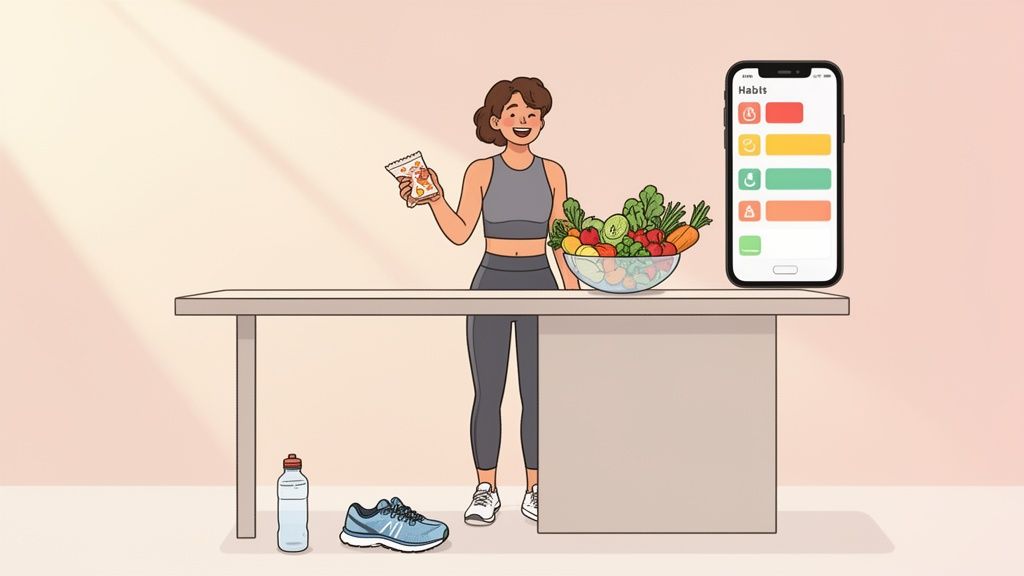
If you want results that actually stick, you have to look beyond a temporary diet. The real secret is making small, sustainable lifestyle changes for weight loss. When you shift your focus from rigid rules to building healthier daily habits, you create a new normal that supports your goals almost automatically. This is how you break free from the frustrating cycle of failure that comes with most quick-fix plans.
Why Sustainable Weight Loss Starts With Your Habits, Not a Diet
Have you ever been on a strict diet, lost the weight, and then gained it all back (and maybe more) the second you stopped? If so, you're not alone. It's an incredibly common experience because diets are temporary solutions for a permanent challenge. They run on willpower, which is a resource that eventually runs out.
Lasting success comes from building automatic behaviors—the habits that guide your choices without you even thinking about it.
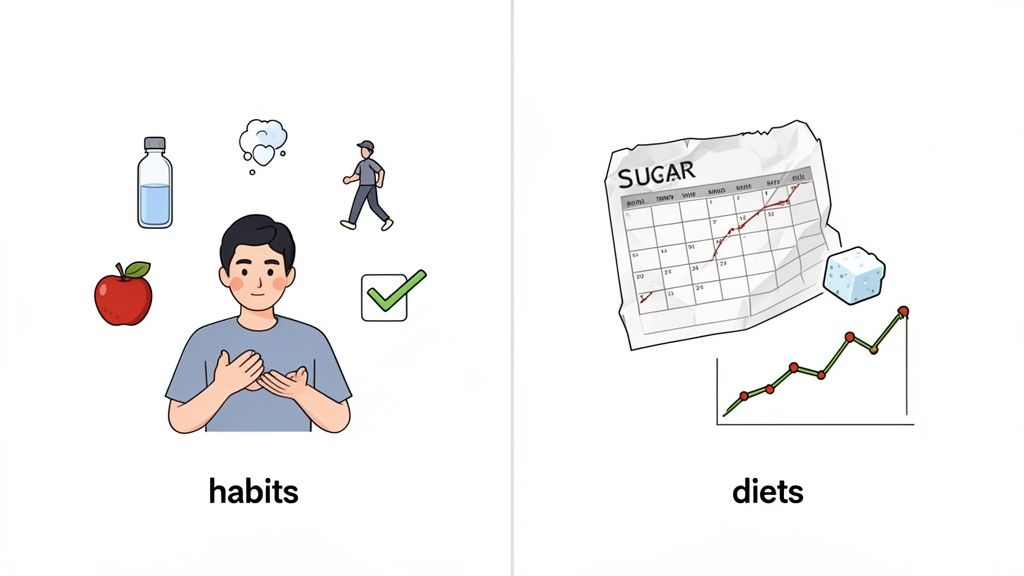
Real transformation happens when you change your lifestyle from the ground up. Instead of forcing yourself to eat bland "diet food," you learn to love flavorful, nourishing meals. Rather than dreading a trip to the gym, you find ways to move your body that you actually enjoy. This isn't about restriction; it's about upgrading your everyday life.
The Hidden Problem With Sugar
At the heart of this frustrating diet-and-rebound cycle is often one key ingredient: added sugar. It's lurking in countless foods, from pasta sauces and salad dressings to supposedly "healthy" yogurts and granola bars.
When you eat sugar, your blood glucose spikes, giving you a quick jolt of energy. But what goes up must come down, and the inevitable crash leaves you tired and craving even more sugar. This creates a vicious cycle that completely messes with your body's natural hunger cues and sabotages your weight loss goals.
Cutting back on sugar is one of the most powerful lifestyle changes you can make. Studies show it can lead to significant reductions in body weight, especially the dangerous visceral fat around your organs. Globally, the average person consumes about 17 teaspoons of added sugar every day—nearly triple the World Health Organization's recommendation of less than 6 teaspoons.
The goal isn't perfection; it's consistency. A lifestyle change is a marathon, not a sprint. It's about making small choices today that will serve you for years to come.
Common Hidden Sugars and Smarter Alternatives
A big part of cutting down on sugar is simply being aware of where it hides. This table shows some common culprits and easy swaps you can make to get started.
| Common High-Sugar Item | Typical Sugar Content | Smart Swap Alternative | Why It's Better |
|---|---|---|---|
| Flavored Yogurt (6 oz) | 15-25g | Plain Greek Yogurt with Fresh Berries | You control the sweetness and get more protein. |
| Bottled Iced Tea (16 oz) | 30-40g | Unsweetened Iced Tea with Lemon | Zero added sugar and full of natural flavor. |
| Jarred Pasta Sauce (1/2 cup) | 8-12g | No-Sugar-Added Tomato Sauce | Saves you a couple of teaspoons of sugar per serving. |
| "Healthy" Cereal (1 cup) | 10-20g | Rolled Oats with Cinnamon and Nuts | High in fiber to keep you full longer without the crash. |
Making these simple swaps can have a huge impact on your daily sugar intake without feeling like a major sacrifice.
Shifting From Dieting to Building Habits
The biggest difference between a diet and a lifestyle change is your mindset. A diet has a start and an end date. A lifestyle change is a lifelong commitment to your well-being. This journey starts with understanding your current patterns without judging yourself. For a great overview, check out this sustainable weight loss guide for beginners.
Instead of trying to overhaul your entire life overnight, just focus on one small change at a time. It could be as simple as swapping your sugary morning latte for black coffee or taking a 10-minute walk after dinner. Every small win builds momentum and makes the next change feel that much easier.
If you're looking for more guidance, our article on building healthy habits is a fantastic starting point.
Using a tool like the StopSugar app can give you an honest look at your starting point. When you track what you eat and how you feel, you start to see the direct link between the two. This awareness is the first—and most important—step toward breaking the dieting cycle and creating a healthier, more energetic you.
Building a Daily Routine That Supports Your Goals
Let's be honest: willpower runs out. If you're relying on it to make a dozen healthy choices every single day, you're setting yourself up for a classic case of burnout. The most powerful changes you can make for weight loss aren't the ones you struggle with; they're the ones that become so automatic you barely think about them.
The goal isn't to live by a rigid, military-style schedule. It's about creating a few solid anchor points in your day. These simple routines take the guesswork out of eating well, keep your energy steady, and make healthy choices the easiest option available.
Create a Morning Anchor
How you start your day has a massive impact on how the rest of it goes. If you kick things off with a sugary cereal or a flavored latte, you're basically signing up for a blood sugar rollercoaster. That spike is always followed by a crash a few hours later, which triggers intense cravings for... you guessed it, more sugar. It's a vicious cycle that can start before your workday even gets going.
Instead, lock in a morning anchor—a simple, repeatable breakfast that stabilizes your energy from the get-go. The magic combination is protein and fiber, with as little added sugar as possible.
- Scrambled Eggs with Spinach: A no-brainer. This classic pairing keeps you full and focused for hours with quality protein and nutrients.
- Plain Greek Yogurt with Berries and Nuts: You get protein from the yogurt, healthy fats from the nuts, and fiber from the berries. It's the perfect trio for sustained energy.
- A Protein Smoothie: In a rush? Blend unsweetened protein powder with a handful of greens, half a banana, and a spoonful of almond butter. It's a satisfying meal in a glass.
Making just this one change can practically eliminate those mid-morning cravings and give you a feeling of control that lasts all day.
Navigate the Mid-Afternoon Slump
Ah, the 3 p.m. slump. It’s the time when your energy nosedives, your focus evaporates, and the office vending machine starts looking like an oasis in the desert. This slump isn't a personal failing; it's often just a predictable result of an unbalanced lunch or simple dehydration.
So, instead of fighting it when it hits, plan for it.
Your afternoon snack isn't a sign of weakness; it's a strategy. Having a healthy, planned option ready to go stops you from grabbing the first sugary thing you see when fatigue kicks in.
Keep smart snacks within arm's reach. A handful of almonds, an apple with a smear of peanut butter, or a hard-boiled egg provides the steady energy you need to finish the day strong, without the sugar crash. And don't forget to hydrate! Sometimes what feels like hunger is actually just thirst. Try a big glass of water first.
Remove Evening Decision Fatigue
After a long, draining day, the last thing anyone wants to do is figure out what to make for dinner. This is when takeout menus and processed freezer meals look incredibly appealing. Decision fatigue is a real thing, and it's one of the biggest roadblocks to eating healthy in the evening.
The solution is wonderfully simple: meal prep.
This doesn't mean you have to cook for five hours every Sunday. It can be as easy as:
- Cooking a big batch of quinoa or brown rice to use all week.
- Grilling a few chicken breasts or baking a block of tofu.
- Washing and chopping a bunch of veggies so they're ready for quick salads or stir-fries.
When you have these building blocks ready, throwing together a healthy dinner is suddenly just as fast as ordering delivery. If you want to get really good at this, check out these practical meal prep ideas for weight loss.
By planning just a little bit ahead, you make the healthy choice the easy choice. That's how lasting habits are built. Using an app like StopSugar for a daily check-in can really help you connect the dots between your food, your energy, and your mood, turning these small daily actions into massive long-term success.
2. Master Smart Food Swaps (Without Sacrificing Flavor)
Some of the most powerful changes you can make for weight loss don't require a radical diet—they happen right in your kitchen. This isn't about eating boring, bland food. It's about making clever substitutions that slash sugar while keeping all the flavor you love. Lasting change is built on meals you actually want to eat.
Forget the idea that healthy eating means deprivation. It’s simply about becoming a smarter shopper and a more creative cook. The real wins come when you start understanding what’s in your food and making simple, delicious upgrades.
Become a Label Detective
First things first: you have to learn to spot hidden sugar. Food manufacturers are masters of disguise, hiding sugar under dozens of names like dextrose, maltodextrin, and high-fructose corn syrup. Your mission is to learn their tricks.
Always flip the package over and check the Nutrition Facts panel, paying close attention to the "Added Sugars" line. It’s a dead giveaway. You’d be shocked at how many seemingly innocent foods, like yogurt or pasta sauce, can have more added sugar than a candy bar.
- Granola and Cereal: Many are marketed as health foods but are basically dessert in a box. Look for options with less than 5 grams of sugar per serving.
- Sauces and Dressings: Ketchup, BBQ sauce, and store-bought salad dressings are notorious sugar traps. Find versions with no added sugar, or better yet, make your own with olive oil, vinegar, and herbs.
- Plant-Based Milks: Those vanilla-flavored almond and oat milks? They can be loaded with sugar. Always, always grab the unsweetened variety.
Simple Swaps, Big Results
Once you start spotting the sugar, making swaps becomes second nature. These aren't drastic changes, just small, consistent upgrades that compound over time. Think of it as evolving your plate, not nuking it from orbit.
For example, instead of a sugary marinade for your chicken, try a dry rub of smoked paprika, garlic powder, and cumin. You get incredible flavor with zero sugar. Swap that side of white rice for quinoa; the extra fiber will keep you full for hours, preventing those afternoon energy crashes that send you running for a snack.
For a deeper dive, our guide on how to reduce sugar in your diet is packed with even more practical strategies. And if you're ever stuck in the grocery aisle, the StopSugar app’s 'Alternatives' feature is a lifesaver—it gives you instant suggestions for healthier options, taking all the guesswork out of shopping.
To make this even easier, here are a few simple swaps you can start making today.
Simple Sugar-Slashing Swaps for Every Meal
| Meal Time | Instead Of This... | Try This Smart Swap |
|---|---|---|
| Breakfast | Sugary Cereal or Flavored Yogurt | Plain Greek Yogurt with Berries or Oatmeal |
| Lunch | Sandwich on White Bread with Sweetened Dressing | Large Salad with Grilled Chicken and a Vinaigrette |
| Dinner | Pasta with Jarred Tomato Sauce | Zucchini Noodles with a No-Sugar-Added Sauce |
| Snack | Granola Bar or Flavored Crackers | A Handful of Almonds or an Apple with Peanut Butter |
See? These aren't massive sacrifices. They're just smarter choices that steer you away from hidden sugars and toward whole, satisfying foods.
Rethink How You Build Your Plate
A balanced plate is one of the best tools for managing hunger and energy. Instead of obsessing over what to remove, focus on what to add. When you build your meals right, you stabilize your blood sugar, which is the secret to kicking cravings to the curb.
Here’s a simple visual guide often called the "Plate Method":
- Half Your Plate: Non-Starchy Veggies. Load it up with things like broccoli, spinach, bell peppers, and cauliflower. They're packed with fiber and nutrients but low in calories.
- One Quarter: Lean Protein. This is your staying power. Chicken, fish, tofu, and beans are all fantastic choices that help you feel full and satisfied.
- One Quarter: Complex Carbs. Think quinoa, sweet potatoes, or whole-grain pasta. These provide steady, sustained energy without the spike-and-crash roller coaster.
Getting a handle on your optimal daily protein intake can be a game-changer for staying full and preserving muscle while you lose weight. This plate structure ensures you get a healthy mix of macronutrients that naturally supports your goals.
It’s Not Just What You Eat, But How You Eat
Finally, pay attention to how and when you eat. Mindful eating—which just means paying attention to your food without your phone in your face—helps you recognize when you're actually hungry and when you're full. It's a surprisingly effective way to prevent overeating.
Even a small tweak like using smaller plates can make a huge difference; studies have shown it can reduce how much you eat by up to 22%.
This infographic offers a great visual for structuring your day.
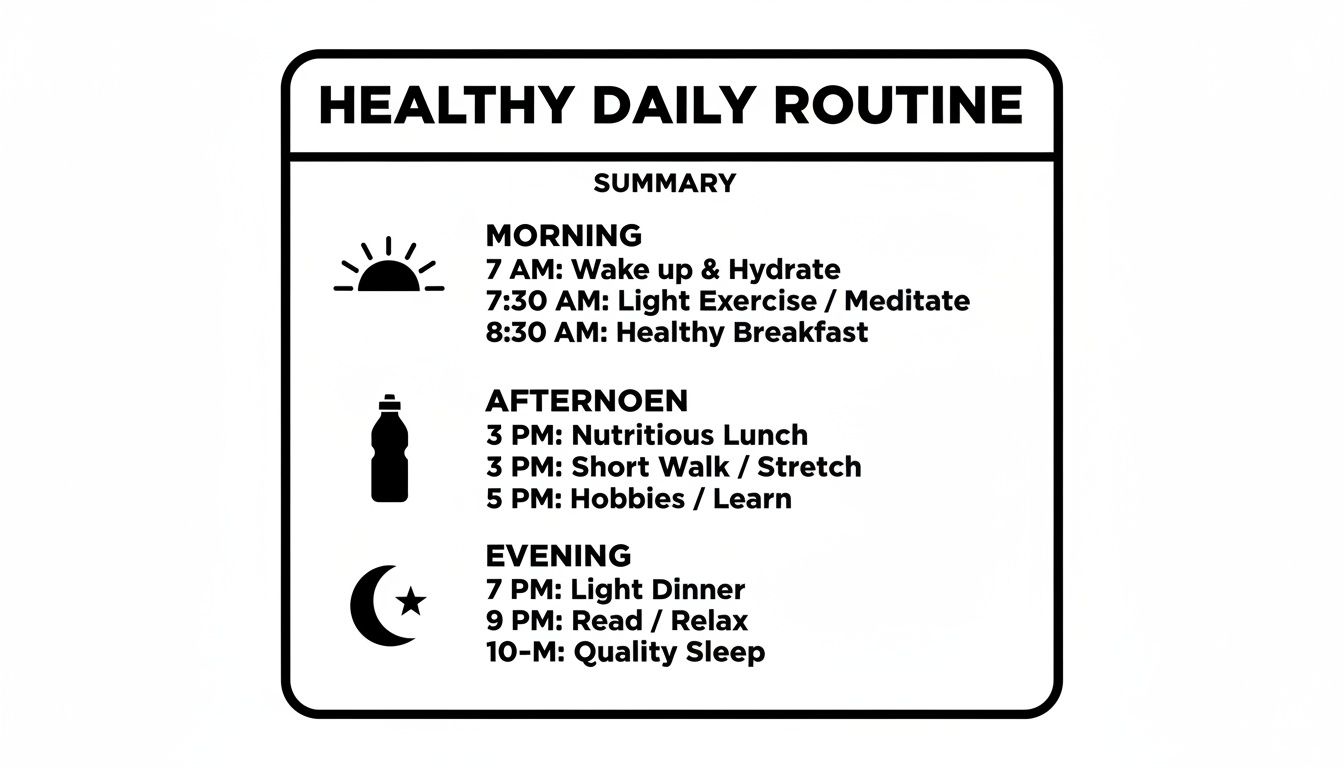
By creating simple anchors for your morning, afternoon, and evening, you build a consistent routine that helps your health goals run on autopilot.
Integrating Enjoyable Movement Into Your Life
Making smart food swaps is a huge piece of the puzzle, but lasting lifestyle changes for weight loss also mean getting your body moving. Before you start picturing grueling hours at the gym, let’s reframe what “exercise” really means. It doesn’t have to be a chore you dread.
The real secret isn't about pushing yourself to the absolute limit. It's about finding ways to move that you genuinely enjoy, because the only exercise that truly works is the one you’ll actually do, week after week.
The Power of Everyday Movement
You'll often hear fitness professionals talk about NEAT, which stands for Non-Exercise Activity Thermogenesis. It’s a fancy term for a simple, powerful idea: all the calories you burn from activities that aren't formal, structured exercise.
Think about it:
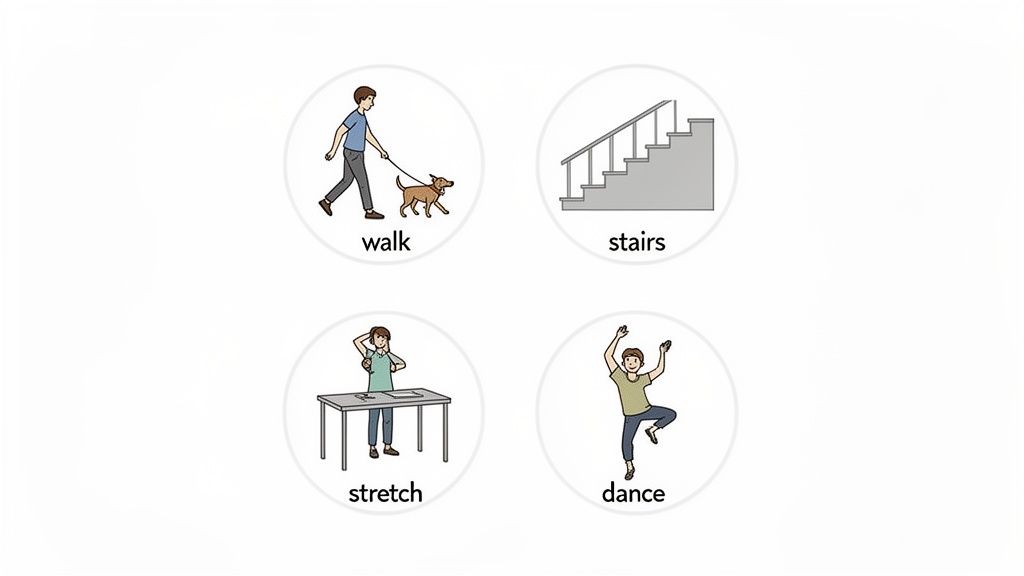
- Taking the stairs instead of the elevator.
- Pacing while on a phone call.
- Doing housework, gardening, or playing with your kids or pets.
These small, seemingly insignificant movements add up in a big way. For many people, NEAT can actually burn more daily calories than a 30-minute workout. Learning to maximize it is a total game-changer because you’re weaving calorie-burning into your existing routine.
Break Up the Sedentary Day
So many of us spend our days sitting—at a desk, in a car, or on the couch. This constant sitting can slow your metabolism to a crawl and work directly against your health goals. The solution is to intentionally break up those long stretches with short bursts of activity.
Try setting a timer to remind yourself to get up and move for just a couple of minutes every hour. You could do a few quick stretches by your desk, walk a lap around the office, or even do a set of squats. This simple habit keeps your metabolism fired up and prevents that sluggish feeling that comes from being still for too long.
Finding an activity you love transforms it from a "should" into a "want to." Whether it's dancing in your living room, hiking a local trail, or joining a recreational sports team, joyful movement is sustainable movement.
Activity and Sugar: The Perfect Partnership
Regular movement does a lot more than just burn calories; it works in perfect harmony with a low-sugar lifestyle. When you’re active, your muscles become more sensitive to insulin. This is a huge deal. It means your body gets much better at using energy from your food right away instead of storing it as fat.
When you combine consistent activity with cutting back on sugar, you create a powerful synergy. Your body becomes a more efficient energy-burning machine, which helps stabilize your blood sugar and keep those nagging cravings at bay. Even brisk walking for 30 minutes a day can burn an extra 150-300 calories and contribute to a 5-10% reduction in body weight over six months. You can find more insights on how activity impacts health in a detailed health report by the OECD.
Finding Your Fitness Groove
The key to sticking with it long-term is to find activities you actually look forward to. If you hate running, don't force yourself onto a treadmill. If the gym feels intimidating, find an alternative that works for you.
Here are a few ideas to get you started:
- Get Outside: Try hiking, biking, kayaking, or even just a brisk walk in a park.
- Have Fun in a Class: Check out a dance class like Zumba, a martial art, or a local yoga studio.
- Work Out at Home: You can find thousands of free videos online for everything from beginner HIIT to gentle stretching.
- Be Social: Join a local volleyball, soccer, or bowling league.
The goal is to weave movement into the very fabric of your life. Imagine a future AI coach within the StopSugar app that learns what you like. It could suggest a fun bike ride on a sunny day or a new yoga video when it's raining, giving you personalized activity goals that keep you engaged and excited about your journey.
Winning the Mental Game of Weight Loss
So far, we've talked a lot about the nuts and bolts of weight loss—what to eat, how to move, and how to structure your days for success. But if you’ve ever found yourself staring into the pantry after a tough day, you know the real battle isn't on your plate. It's in your head.
Lasting change truly is an inside job. It’s about getting to the root of the habits, thoughts, and feelings that have been driving your decisions for years. This is where we move beyond just managing food and start winning the mental game for good.
Uncovering Your Emotional Triggers
Emotional eating can sabotage even the best-laid plans. It’s that knee-jerk reaction to use food to soothe stress, numb boredom, or just distract yourself from loneliness. The first step to breaking this powerful cycle is simply noticing when it’s happening.
For the next week, try to take a breath before you eat anything outside of a planned meal. Just pause and ask yourself, "Am I actually hungry, or am I feeling something else?" You might discover that the 3 p.m. cookie craving has nothing to do with hunger and everything to do with that frustrating email from your boss.
Building Your Stress-Management Toolkit
Once you start seeing those triggers, you need a new game plan. This isn't about brute-force willpower; it's about having better, healthier ways to cope.
- Feeling Stressed or Anxious? Instead of reaching for a snack, try a 5-minute guided meditation, put on a calming song, or just step outside for a blast of fresh air.
- Fighting off Boredom? If you’re just eating to fill the time, find something to engage your mind. Call a friend, start a puzzle, or tackle that junk drawer you’ve been avoiding.
- Exhausted? When you're tired, your body screams for a quick energy jolt from sugar. A much better fix is a quick 15-minute power nap or a gentle walk to get your blood moving.
This is where having a tool like the StopSugar app’s ‘Panic Button’ can be a lifesaver. When a craving hits you like a ton of bricks, it gives you an immediate out—like a quick breathing exercise or a distraction—to get you through the moment without giving in.
The Critical Role of Sleep
You can have the most dialed-in diet and a perfect workout routine, but without good sleep, you're fighting an uphill battle. A lack of sleep throws your hunger hormones completely out of whack.
It sends your ghrelin (the "go eat!" hormone) through the roof while suppressing leptin (the "I'm full" hormone). This hormonal one-two punch leaves you craving high-calorie, sugary junk the next day, making it nearly impossible to make good choices. Aiming for 7-9 hours of quality sleep isn't a luxury; it's a non-negotiable part of any successful weight loss strategy.
Self-compassion is the secret ingredient to long-term success. It's the ability to treat yourself with the same kindness you'd offer a friend, especially when you stumble.
Practice Self-Compassion After a Slip-Up
Let's get one thing straight: you are not going to be perfect. There will be days when you eat something that isn't on your plan, and that is 100% okay. What truly matters is how you react in the next moment.
So many of us fall into the "all-or-nothing" trap. We have one cookie, declare the entire day a failure, and then proceed to eat the whole sleeve. Honestly, that mindset does way more damage than the cookie ever could.
Instead, learn to practice a little self-compassion. Acknowledge what happened without beating yourself up, remind yourself that one choice doesn't derail your entire journey, and get right back on track with your next meal. That resilience is the difference between another "failed diet" and sustainable, long-term change. The goal is consistency, not perfection.
Got Questions About Making These Changes? We've Got Answers
Starting any new health journey is bound to bring up some questions. It's totally normal to feel a little unsure when you're changing habits you've had for years. Let's tackle some of the most common concerns people have so you can move forward with confidence.
How Quickly Will I Actually See Results?
I get it—you want to see progress, and you want to see it now. But real, lasting change isn't about a quick fix. Those crash diets that promise you'll drop 10 pounds in a week? Most of that is just water weight, and it comes right back.
A healthy, sustainable pace is losing about 1 to 2 pounds per week. That might not sound like a lot, but it's a strong indicator that you're losing actual body fat, not muscle, and building habits that will stick around for the long haul. In the first month, you'll probably notice other things first, like having more energy or feeling less bloated. Don't forget to celebrate those wins, too!
What Happens If I Mess Up and Eat a Bunch of Sugar?
First off, don't panic. One cookie (or even a few) doesn't wipe out all the good work you've done. The real damage from a slip-up isn't the sugar itself; it's the guilt spiral that can make you think, "Well, I already messed up, I might as well eat the whole box."
Instead of letting that happen, just hit the reset button. Here’s how:
- Acknowledge it, but don't beat yourself up. Okay, you ate something sugary. It happened. It doesn't mean you've failed.
- Drink a big glass of water. This helps your body get back into balance and can help curb any lingering cravings.
- Focus on making your next choice a good one. Don't try to "punish" yourself by skipping your next meal. Just get right back on track with something nutritious.
Remember, the goal is consistency, not perfection.
Do I Really Have to Give Up My Favorite Foods Forever?
Not at all! A lifestyle you can stick with has to include things you actually enjoy. Trying to completely forbid certain foods usually backfires, leading to massive cravings and making you feel deprived.
I'm a huge fan of the 80/20 rule. If you focus on making smart, nourishing choices 80% of the time, that leaves you 20% of wiggle room for the treats you truly love. This way, it feels less like a restrictive diet and more like a balanced, enjoyable way of life.
How Can I Stick to My Goals in Social Situations?
Navigating parties, family dinners, and restaurants can feel like a minefield when you're starting out, but you don't have to become a hermit. A little bit of planning makes all the difference. If you're going out to eat, check out the menu online beforehand so you can pick a healthy option without feeling rushed or pressured in the moment.
When you're at a party, try to socialize away from the snack table. Fill your plate with veggies and protein first, and then decide if you still want a small taste of something less healthy. And it's always okay to politely say no. A simple, "No thanks, I'm all set!" works perfectly. You can absolutely honor your health goals while still having a great time with the people you care about.