8 Smart Meal Prep Ideas for Weight Loss That Work in 2025
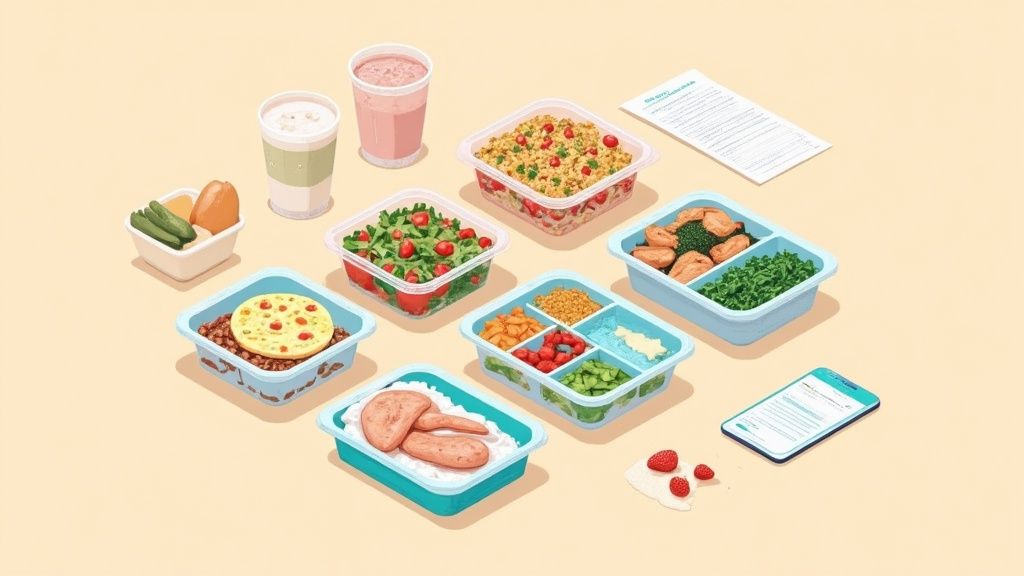
Weight loss can feel like a constant battle against cravings and complicated diets. The real secret isn't about deprivation; it's about preparation. By planning your meals, you regain control over your nutrition, eliminate impulsive unhealthy choices, and build a sustainable path to your goals. But not all meal prep is created equal. This guide moves beyond generic advice to explore eight specific, science-backed meal prep ideas for weight loss, each designed for different lifestyles and preferences.
You will learn actionable blueprints for success, from high-protein plans that crush hunger to vegetable-based volumetric strategies that let you eat more, not less. We’ll cover everything from macro-balanced portioning to Mediterranean-style eating, providing practical steps you can implement immediately.
While meal prep is a powerful tool for achieving your goals, remember that physical activity also plays a crucial role. For a well-rounded approach, explore the benefits of incorporating the best low-impact workouts for weight loss to complement your nutritional efforts.
To support your journey, we'll also show you how the StopSugar app can be your partner in this process. Use it to track your progress, navigate sugar cravings with its 'Panic Button,' and discover delicious, healthy alternatives every step of the way. Let’s get started.
1. High-Protein Meal Prep
This powerful meal prep strategy focuses on building each meal around a significant protein source, typically aiming for 30-40 grams per serving. The goal is to maximize satiety, support muscle maintenance during weight loss, and leverage the thermic effect of food. Protein requires more energy for your body to digest compared to fats and carbs, which provides a small metabolic boost.
By prioritizing protein, you stay fuller for longer, which is a key advantage when managing a caloric deficit. This approach helps reduce the likelihood of mindless snacking and keeps sugar cravings at bay. It's one of the most effective meal prep ideas for weight loss because it directly addresses hunger, a major reason people abandon their eating plans.
How to Implement High-Protein Prep
Start by making protein the star of your plate. Choose your protein sources for the week and cook them in large batches. This saves a significant amount of time and ensures you always have a healthy option ready.
- Batch-Cook Proteins: Grill a family pack of chicken breasts, bake several salmon fillets, or brown a large batch of lean ground turkey. Portion them out immediately into individual containers.
- Build Your Meals: Once your protein is prepped, add a complex carbohydrate (like quinoa or sweet potato) and a fibrous vegetable (like broccoli or asparagus).
- Vary Your Sources: To prevent boredom and get a wider range of nutrients, rotate your protein choices weekly. Include chicken, fish, lean beef, tofu, and legumes.
- Use Convenient Options: Don't forget easy protein sources like Greek yogurt, cottage cheese, and hard-boiled eggs for quick meals or snacks.
Key Insight: A high-protein meal isn't just about dinner. Starting your day with a protein-rich breakfast, such as a veggie omelet or a protein smoothie, can set the tone for better appetite control all day long. For more ideas, check out our guide to low-sugar, high-protein smoothies.
2. Calorie-Controlled Portion Prepping
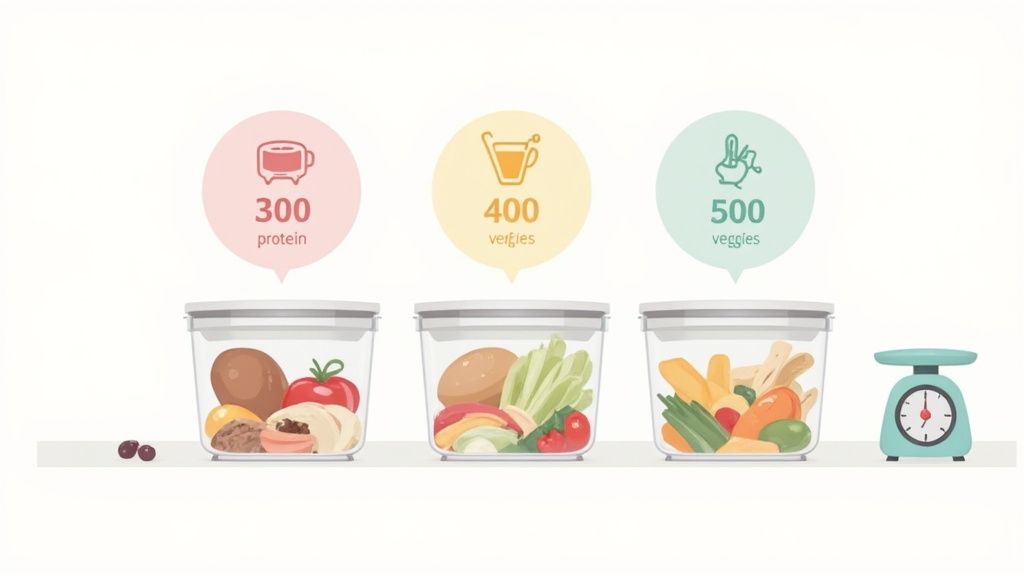
This highly structured meal prep method focuses on preparing complete meals in pre-portioned containers, with each serving containing a specific, pre-calculated calorie amount (often 300-500 calories). The primary goal is to remove the guesswork and daily hassle of calorie counting by doing all the measuring and math upfront. This creates a consistent and predictable energy intake, making it easier to maintain a caloric deficit.
By having precisely portioned meals ready to go, you eliminate the risk of accidental overeating and simplify decision-making during busy days. This strategy is one of the most effective meal prep ideas for weight loss because it offers a clear, data-driven path to your goals. For it to work, however, you need a solid grasp of the core principle behind fat loss, making understanding a calorie deficit a crucial first step.
How to Implement Calorie-Controlled Prep
The key to this method is precision. Investing in a digital food scale is essential for accurately measuring ingredients to ensure your calorie counts are correct.
- Determine Your Target: First, calculate your total daily calorie goal for weight loss (typically between 1,200-2,000). Then, decide how you want to distribute those calories across your meals and snacks.
- Build & Weigh Your Meals: Create balanced meals and weigh each component. For example, a 400-calorie lunch could be 4 oz of grilled chicken, 1 cup of cooked quinoa, and 1 cup of steamed broccoli.
- Label Everything: Use transparent containers and label each one with the meal name, calorie count, and date it was prepped. This visual system keeps you organized and accountable.
- Don't Forget Snacks: Prepare smaller, 100-150 calorie snack packs to have on hand. Portioned bags of almonds, Greek yogurt cups, or hard-boiled eggs are great options to curb hunger between meals.
Key Insight: This method transforms calorie tracking from a daily chore into a once-a-week task. Spending one or two hours on a Sunday weighing and portioning means you can enjoy the rest of the week knowing your nutrition is perfectly aligned with your weight loss objectives without any extra effort.
3. Intermittent Fasting Meal Prep
This strategy syncs the efficiency of meal prep with the principles of intermittent fasting (IF). Instead of prepping three meals and snacks per day, you prepare nutrient-dense meals specifically for your designated "eating window." This approach simplifies your week and naturally helps control calorie intake by limiting the time you spend eating.
The primary benefit is that it reduces decision fatigue during your eating window, ensuring you break your fast with a balanced, satisfying meal instead of reaching for the most convenient, often unhealthy, option. This makes intermittent fasting one of the most structured meal prep ideas for weight loss, as it combines a specific eating protocol with a plan to execute it successfully.
How to Implement Intermittent Fasting Prep
Success with IF meal prep comes from planning your meals to be highly nutritious and satiating, which helps you stay full until your next eating window.
- Choose Your Protocol: Decide on an IF schedule that fits your lifestyle. For the popular 16:8 method, you might prep a hearty lunch and dinner. For a 5:2 approach, you would prep two very small, low-calorie meals for your fasting days.
- Build Nutrient-Dense Meals: Focus on protein, healthy fats, and fiber to maximize satiety. A great meal to break a fast could be grilled chicken, avocado, and a large portion of roasted vegetables.
- Stay Hydrated: During fasting periods, hydration is crucial. Keep water, black coffee, or unsweetened herbal tea on hand.
- Break Your Fast Gently: Prepare meals that are easy to digest, especially when you first start. Avoid overly heavy or processed foods. Pairing lean protein with slow-release carbohydrates can provide sustained energy.
Key Insight: To avoid energy crashes and intense hunger when your eating window opens, prioritize meals rich in fiber and complex carbs. These foods help stabilize blood sugar and keep you feeling full and energized. You can explore more about slow-release carbohydrates to optimize your fasting meals.
4. Vegetable-Based Volumetric Eating
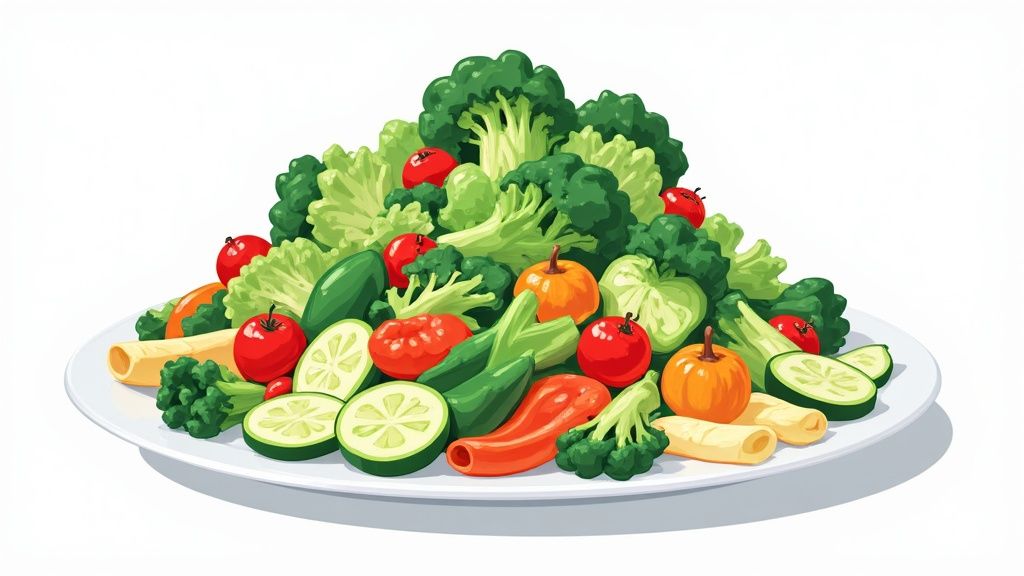
This strategy is built on a simple yet powerful principle: fill your plate with high-volume, low-calorie foods to feel full and satisfied on fewer calories. Volumetric eating, popularized by Dr. Barbara Rolls, emphasizes non-starchy vegetables, which are rich in water and fiber but low in energy density. This allows you to eat physically larger meals without overconsuming calories.
By dedicating at least half of your meal prep container to vegetables, you can create satisfying portions that prevent feelings of deprivation. This method is one of the most effective meal prep ideas for weight loss because it tackles hunger psychologically and physically, making a calorie deficit feel less restrictive and more sustainable.
How to Implement Volumetric Prep
The key is to make vegetables the foundation of your meal, not an afterthought. Start by prepping a large variety of vegetables and then add your protein and complex carbs in smaller, controlled portions.
- Prep Vegetables in Bulk: On your prep day, wash, chop, or spiralize all your vegetables for the week. Store them in airtight containers for easy access. Think bell peppers, broccoli, zucchini, and leafy greens.
- Build Your Meals: Fill half your container with your prepped veggies first. Then add a 4-5 ounce serving of lean protein and a small portion (about 1/2 cup) of a complex carb.
- Roast for Flavor: Roasting large trays of vegetables like broccoli, cauliflower, and carrots with minimal oil and plenty of herbs enhances their natural sweetness and makes them more enjoyable.
- Use Tools for Volume: A spiralizer can turn zucchini into a huge bowl of "noodles," while a food processor can quickly shred cabbage for a voluminous slaw.
Key Insight: Seasoning is your secret weapon. Since vegetables are low in calories, you can be generous with herbs, spices, garlic, and onion powder. This adds immense flavor without adding calories, preventing bland meals that can lead to cravings for less healthy options.
5. Macro-Balanced Meal Prep (IIFYM)
This scientifically-grounded approach, often called "If It Fits Your Macros" (IIFYM), focuses on preparing meals with specific, calculated ratios of protein, carbohydrates, and fats. Instead of just tracking calories, this method ensures you get the right fuel for sustained energy, muscle preservation, and metabolic health, which is crucial for effective weight loss.
By balancing your macronutrients, you can optimize your body's performance and prevent the energy crashes often caused by carb-heavy or fat-heavy meals. This level of precision makes it one of the most personalized meal prep ideas for weight loss, as your targets are tailored directly to your body composition, activity level, and specific goals.
How to Implement Macro-Balanced Prep
The first step is to calculate your daily macro targets using an online calculator or a formula. A common starting point for protein is 1.0-1.6 grams per pound of body weight. From there, you prep versatile ingredients that can be mixed and matched to hit your numbers.
- Prep Individual Components: Cook large batches of lean proteins (chicken, fish), complex carbs (rice, quinoa), and have healthy fats ready (avocado, olive oil, nuts).
- Use a Food Scale: Precision is key. Weighing your portions ensures you are accurately hitting your macro goals for each meal.
- Build Your Meals Digitally: Use an app like MyFitnessPal or Cronometer to log your prepped components and see how they fit into your daily targets. For example, if your lunch needs more protein, you can simply add another ounce of chicken.
- Plan for Fueling: Strategically use carbs around your workouts. For instance, have rice cakes with almond butter before a gym session for quick energy and to aid recovery.
Key Insight: Understanding the role of each macronutrient is fundamental to this approach. A balanced plate doesn't just manage calories; it manages hormones, energy, and hunger. Learn more about the basics of what macronutrients and micronutrients are to build a solid foundation.
6. Plant-Based/Vegetarian Weight Loss Meal Prep
This strategy centers on nutrient-dense, whole plant foods to create a sustainable caloric deficit. The focus is on legumes, whole grains, vegetables, fruits, nuts, and seeds, which are naturally high in fiber and water content. This combination promotes significant satiety and fullness on fewer calories, making it easier to manage hunger.
By prioritizing whole plant foods, you naturally increase your intake of fiber, vitamins, and minerals while reducing saturated fats and processed ingredients. This approach supports not only weight loss but also overall metabolic health. It's a fantastic choice for those looking for effective meal prep ideas for weight loss that align with ethical or health-driven dietary preferences.
How to Implement Plant-Based Prep
Successful plant-based meal prep requires smart planning to ensure you get adequate protein and key nutrients. The key is to batch-cook foundational ingredients that can be mixed and matched throughout the week.
- Batch-Cook Legumes and Grains: Prepare large quantities of lentils, chickpeas, black beans, quinoa, or brown rice. Freeze them in individual portions for quick access.
- Combine Plant Proteins: To ensure a complete amino acid profile, combine different protein sources. Examples include rice and beans, lentils and whole-wheat bread, or hummus and pita.
- Prep Your Produce: Wash, chop, and roast a variety of vegetables like broccoli, bell peppers, and sweet potatoes. This makes assembling meals like Buddha bowls or stir-fries effortless.
- Focus on Key Nutrients: Incorporate iron-rich foods like spinach and lentils with a source of vitamin C (like lemon juice or bell peppers) to boost absorption. Add ground flaxseed for omega-3s and nutritional yeast for B vitamins and a savory flavor.
Key Insight: A common concern with plant-based eating is protein intake, but it's easily managed with planning. A single cup of cooked lentils provides about 18 grams of protein, and 150g of tempeh offers over 19 grams. For more guidance on building balanced plant-based meals, resources like Dr. Michael Greger's NutritionFacts.org are invaluable.
7. Low-Carb/Keto Meal Prep for Weight Loss
This strategy involves preparing meals with a significantly reduced carbohydrate intake, typically under 50 grams daily for a ketogenic diet or 50-130 grams for a general low-carb approach. By increasing fat consumption and maintaining moderate protein, the body shifts from using glucose for energy to burning fat, a state known as ketosis. This metabolic adaptation helps stabilize blood sugar and reduce insulin spikes, which can lead to powerful appetite suppression.
The primary benefit is that many people naturally feel less hungry and consume fewer calories without intentional restriction. This makes it one of the most effective meal prep ideas for weight loss for those who struggle with constant hunger and sugar cravings. By prepping your meals, you can ensure you stay within your carb limits and avoid convenient, high-carb temptations.
How to Implement Low-Carb/Keto Prep
Success with this approach depends on careful planning to ensure you meet your macro targets and get adequate nutrients. Prepping your proteins and fats ahead of time is the key to staying on track throughout the week.
- Prep High-Fat Proteins: Cook fatty cuts of meat in batches, such as bacon, 80/20 ground beef, chicken thighs, or salmon. Store them in portions to easily build meals.
- Create Your Meals: Pair your prepped protein with a non-starchy vegetable and a healthy fat source. Examples include bacon-wrapped chicken thighs with cauliflower mash or salmon with asparagus roasted in olive oil.
- Focus on Nutrient-Dense Fats: Base your meals around healthy fats like avocado, nuts, seeds, olive oil, and fatty fish to promote satiety and provide essential nutrients.
- Manage Electrolytes: When starting a low-carb diet, it's crucial to prep for the "keto flu" by ensuring adequate intake of sodium, potassium, and magnesium. Consider adding electrolyte-rich foods or a supplement.
Key Insight: To avoid feeling restricted, plan and freeze a variety of low-carb meals for 2-3 weeks at a time. Having options like zucchini noodle lasagna or beef and broccoli readily available makes sticking to the plan much easier on busy nights.
8. Mediterranean-Style Weight Loss Meal Prep
This approach adapts the principles of the renowned Mediterranean diet for effective meal prepping. It emphasizes whole foods, heart-healthy fats like olive oil, lean proteins from fish and legumes, whole grains, and a generous amount of fresh vegetables and fruits. The focus is on nutrient density and flavor rather than strict calorie counting, making it a sustainable and enjoyable path to weight management.
This method supports weight loss by providing high levels of fiber and healthy fats, which promote satiety and stabilize blood sugar levels. Incorporating these meal prep ideas for weight loss helps you build balanced, delicious meals that nourish your body and prevent the feelings of deprivation that often lead to diet failure. It’s a lifestyle-oriented approach backed by extensive research for its cardiovascular and metabolic health benefits.
How to Implement Mediterranean-Style Prep
Center your weekly prep around foundational Mediterranean ingredients. This style is less about rigid recipes and more about combining high-quality components into simple, satisfying meals.
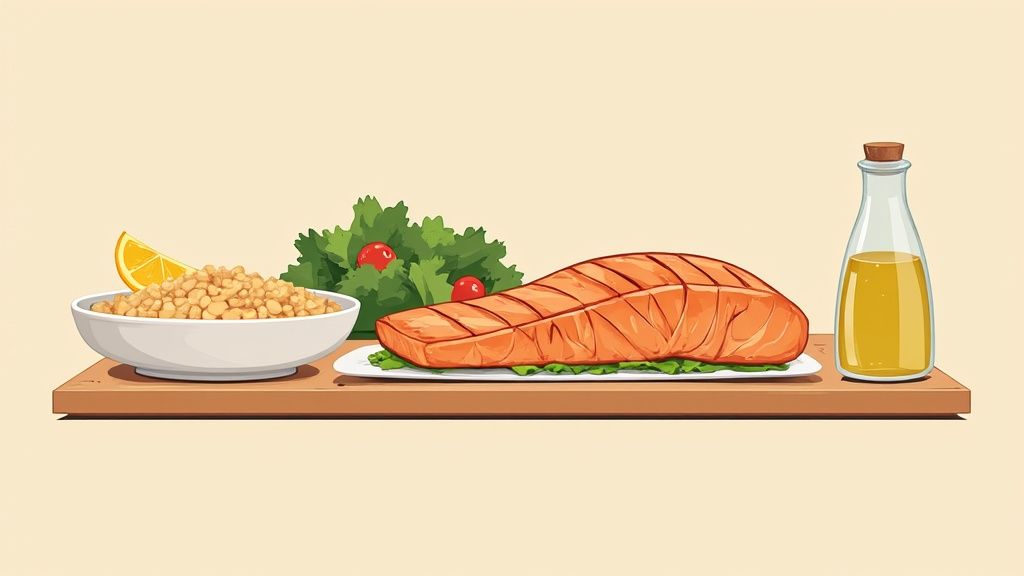
- Prep Core Components: Cook a large batch of a whole grain like farro or quinoa. Roast a sheet pan of seasonal vegetables (bell peppers, zucchini, eggplant) with olive oil and herbs. Prepare a large lentil or chickpea salad.
- Batch-Cook Proteins: Grill or bake several salmon fillets or chicken breasts seasoned with lemon, oregano, and garlic.
- Create Flavorful Bases: Make a large pot of minestrone or lentil soup. Prepare a simple vinaigrette with extra virgin olive oil, lemon juice, and herbs to dress salads and grains all week.
- Assemble Your Meals: Combine your prepped components. For lunch, you could have a scoop of farro, roasted vegetables, and a piece of grilled salmon. For dinner, enjoy a bowl of hearty minestrone with a side salad.
Key Insight: The Mediterranean approach prioritizes quality and enjoyment. Use extra virgin olive oil as a finishing oil on salads and cooked dishes to preserve its delicate flavor and health benefits. Liberal use of fresh herbs, spices, and lemon juice can replace excess salt and sugar, making your meals both healthier and more delicious.
8-Strategy Meal Prep Comparison for Weight Loss
| Approach | 🔄 Implementation Complexity | ⚡ Resource Requirements | 📊 Expected Outcomes | Best For | ⭐ Key Advantages / 💡 Tips |
|---|---|---|---|---|---|
| High-Protein Meal Prep | 🔄 Low–Medium — batch-cooking proteins and simple combos | ⚡ Moderate — costlier protein sources; basic cookware/freezer | 📊 Preserves lean mass; ↑ satiety; modest fat loss (typical meals 300–400 kcal) | Individuals focused on body composition and muscle preservation | ⭐ Preserves muscle, reduces hunger, raises metabolic rate. 💡 Prep proteins in bulk; stay hydrated |
| Calorie-Controlled Portion Prepping | 🔄 Medium — precise weighing and consistent portioning | ⚡ Moderate — digital scale, containers, labeling; upfront time | 📊 Reliable calorie control; consistent weight loss (~0.5–2 lbs/week) | People who prefer structure and precise tracking | ⭐ Eliminates decision fatigue; highly consistent results. 💡 Label containers; invest in accurate scale |
| Intermittent Fasting Meal Prep | 🔄 Low — fewer meals to prepare but requires strict timing | ⚡ Low–Moderate — standard prep tools; scheduling discipline | 📊 Often 15–35% calorie reduction; may improve insulin sensitivity | Those seeking simplicity and fewer daily meals | ⭐ Simplifies prep and can reduce intake naturally. 💡 Start gradually (12:12→16:8); hydrate during fasts |
| Vegetable-Based Volumetric Eating | 🔄 Medium — bulk veg prep and variety planning | ⚡ Low — inexpensive produce but frequent shopping/storage | 📊 Large portions for same calories; improved satiety and micronutrients | People who feel hungry on smaller meals and want volume | ⭐ High satiety, nutrient-dense, budget-friendly. 💡 Roast/season vegetables; prep in bulk to save time |
| Macro-Balanced Meal Prep (IIFYM) | 🔄 High — personalized macro calculations and tracking | ⚡ Moderate — apps, scales, recipe adjustments; time investment | 📊 Improves body composition and energy; sustainable when tracked | Fitness-focused individuals comfortable with detailed tracking | ⭐ Flexible and effective for recomposition. 💡 Use tracking apps; adjust macros every 2–4 weeks |
| Plant-Based / Vegetarian Meal Prep | 🔄 Medium — planning for complete proteins and micronutrients | ⚡ Low–Moderate — legumes/grains prep; possible supplements (B12) | 📊 Sustainable weight loss with high fiber; risk of gaps if unplanned | Ethically-motivated or plant-preferring individuals | ⭐ Lower environmental impact; high fiber and satiety. 💡 Combine proteins; supplement B12 and monitor iron |
| Low-Carb / Keto Meal Prep | 🔄 High — strict carb limits and careful macro control | ⚡ Moderate–High — quality fats/meats, electrolytes, planning costs | 📊 Rapid initial (water) loss then 1–3 lbs/week; appetite suppression | Insulin-resistant individuals or those needing strong appetite control | ⭐ Fast early results; reduced hunger. 💡 Manage electrolytes; prioritize nutrient-dense fats |
| Mediterranean-Style Meal Prep | 🔄 Medium — requires cooking skills and ingredient sourcing | ⚡ Moderate — olive oil, fish, fresh produce; time for cooking | 📊 Slow, steady weight loss (≈0.5–1 lb/week); strong cardiometabolic benefits | Those seeking sustainable, health-focused long-term management | ⭐ Highly sustainable and research-backed; heart-healthy. 💡 Emphasize seasonal produce, herbs, and quality olive oil |
Start Your Prep, Start Your Progress
You've just explored a diverse toolkit of meal prep ideas for weight loss, each offering a unique path toward your health goals. From the muscle-building focus of High-Protein Prep to the satisfying volume of vegetable-based eating, the power to change is now literally on your plate. We've walked through eight distinct strategies, proving there is no single "correct" way to meal prep; there is only the way that works best for you, your lifestyle, and your body.
The journey ahead isn't about perfection. It’s about building a sustainable system that removes daily decision fatigue and sets you up for consistent success. Remember, every container you fill is a promise you make to your future self.
Your Actionable Next Steps
To transform these ideas into tangible results, start small and build momentum. Don't try to implement everything at once. Instead, focus on these key takeaways to get started:
- Choose Your Strategy: Which approach resonated most with you? Was it the structured science of Macro-Balanced Meal Prep or the vibrant, whole-foods approach of the Mediterranean diet? Pick one to try for the next two weeks.
- Schedule Your Prep Time: Look at your calendar right now and block out a 2-3 hour window this week. Treat this appointment with the same importance as any other commitment. This is your dedicated time for self-investment.
- Start with One Meal: Feeling overwhelmed? Just prep your lunches for the week. Once you master that, you can expand to include breakfasts or snacks. Small, consistent wins build lasting habits.
The Real Power of Meal Prep
Mastering meal prep is about so much more than just losing weight. It's about reclaiming your time, saving money, and eliminating the stress of last-minute food choices. It's about nourishing your body with intention and finally breaking free from the cycle of convenience foods and sugar-laden snacks that leave you feeling sluggish and uninspired. These meal prep ideas for weight loss are your foundation for a healthier, more energetic life.
Key Insight: Consistency trumps intensity. A simple, well-executed plan you can stick with will always outperform a complex, "perfect" plan you abandon after a few days.
To support this new habit, leverage technology designed to help you succeed. The StopSugar app is your pocket companion for navigating the tricky moments. When a craving hits hard, use the 'Panic Button' for instant, healthy alternatives that align with your goals. Use the daily check-ins to track your progress and understand the connection between your food choices and your mood.
Your journey starts not with a grand gesture, but with a single, prepared meal. Choose your path, schedule your time, and take that first powerful step. You have the knowledge and the tools; now is the time to start your prep and begin your progress.