Your Guide to 8 Essential Low Fructose Foods for 2026
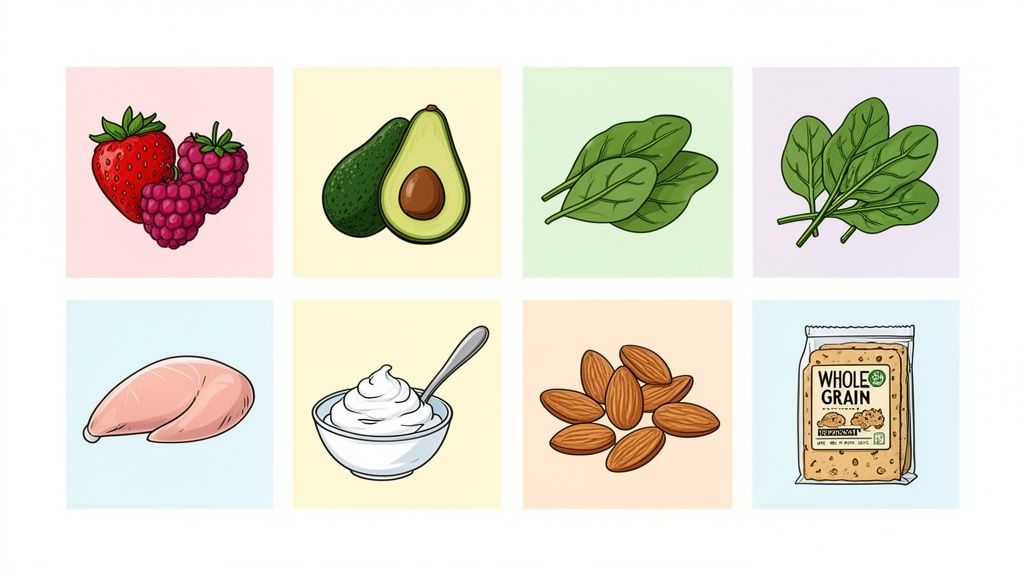
Navigating the modern food landscape can feel like a constant battle against hidden sugars, especially fructose. It's not just in sodas and sweets; it's often concealed in 'healthy' yogurts, sauces, and salad dressings, contributing to energy crashes, persistent cravings, and unwanted weight gain. If you're tired of the rollercoaster, you're not alone.
This isn't about extreme dieting or deprivation. It's about making smart, strategic choices. The good news is that taking back control is simpler than you might think. By focusing on incorporating specific, delicious, and satisfying low fructose foods, you can stabilize your energy levels, improve your mental clarity, and finally break free from the sugar cycle. This guide is designed to be your practical roadmap, not just another generic list. We will walk you through eight essential food categories that form the foundation of a sustainable low-fructose lifestyle.
We'll provide actionable advice, from portion guidance and easy meal ideas to tips for reading food labels. You'll learn how to build satisfying meals that keep you full and focused. For those seeking an even more structured approach to significantly reducing sugar and carbohydrate intake, you might also be interested to explore ketogenic diet recipes for additional inspiration. This article, however, focuses on a flexible framework of low fructose foods that anyone can adopt. We will also touch on how tools like the StopSugar app can help you track your progress and turn these changes into lasting habits. Let's dive in.
1. Leafy Greens and Cruciferous Vegetables
When building a diet low in fructose, non-starchy vegetables are your foundational building blocks. Leafy greens and cruciferous vegetables are nutritional powerhouses that contain virtually no fructose, making them one of the best categories of low fructose foods you can eat. This group includes common staples like spinach, kale, lettuce, broccoli, cauliflower, cabbage, and Brussels sprouts.
Because they are primarily composed of fiber, water, and complex carbohydrates, they digest slowly and do not cause the rapid blood sugar spikes associated with high-sugar foods. This stable energy release helps prevent the energy crashes and cravings that often derail healthy eating habits. If you're curious about how different sugars affect your body, you can explore the differences between glucose and fructose to better understand why these vegetables are such a smart choice.
How to Make Them a Daily Staple
Incorporating these vegetables into every meal is easier than you think. They are incredibly versatile and can add bulk, nutrients, and texture without adding sugar.
- Breakfast: Add a large handful of spinach or kale to your morning smoothie or scramble them into eggs.
- Lunch: Use a bed of mixed greens as the base for a large salad topped with a lean protein like grilled chicken or chickpeas.
- Dinner: Serve a main dish with a side of steamed broccoli or roasted Brussels sprouts. You can also use cauliflower rice as a substitute for traditional rice or pasta.
Actionable Tips for Success
To make these foods a consistent part of your routine, preparation is key.
Pro Tip: Spend an hour on the weekend washing and chopping vegetables. Store them in airtight containers so they are ready for quick weekday meals and snacks.
Seasoning is another crucial element. Since these vegetables are naturally low in sugar, their flavor is more savory and earthy. Enhance it with garlic, onion powder, smoked paprika, fresh herbs, a squeeze of lemon juice, and a drizzle of olive oil. Logging your daily vegetable intake in a habit-tracker like the StopSugar app can also provide the accountability needed to build this healthy habit.
2. Fatty Fish (Salmon, Mackerel, Sardines)
When looking to stabilize your energy and mood, protein is essential, and fatty fish offer a superior, fructose-free source. Foods like salmon, mackerel, and sardines are completely devoid of sugar and rich in high-quality protein and anti-inflammatory omega-3 fatty acids. These powerful nutrients make fatty fish one of the most beneficial categories of low fructose foods you can incorporate into your diet.
These fish help combat the systemic inflammation often linked to high-sugar diets, while also supporting brain health and cognitive function. The combination of protein and healthy fats promotes satiety, keeping you full and satisfied for longer. This helps prevent the energy crashes and intense cravings that often follow a high-sugar meal, making it easier to maintain a balanced eating pattern.
How to Make Them a Daily Staple
Aiming for at least two servings of fatty fish per week can deliver significant health benefits. Their rich, savory flavor makes them a satisfying centerpiece for any meal.
- Breakfast: Add smoked salmon to scrambled eggs or an avocado toast on low-fructose bread.
- Lunch: Mix canned salmon or sardines with Greek yogurt, lemon juice, and herbs for a quick and nutritious salad. Serve it over a bed of leafy greens.
- Dinner: Grill a salmon fillet seasoned with dill and lemon, or pan-sear mackerel and serve it with a side of roasted asparagus and cauliflower rice.
Actionable Tips for Success
Making fatty fish a regular part of your diet is simple with a bit of planning.
Pro Tip: Keep your pantry stocked with canned sardines, mackerel, and wild-caught salmon. They are affordable, have a long shelf life, and are perfect for quick, no-cook meals when you're short on time.
To get the most out of your meals, choose wild-caught fish when possible, as it typically has a better fatty acid profile. Pair your fish with non-starchy vegetables to maximize nutrient absorption and create a well-rounded, low-fructose meal. You can use the StopSugar app to log your fish intake and track any corresponding improvements in your mood and energy levels, providing motivation to stick with this healthy habit.
3. Eggs (All Preparations)
As a cornerstone of any low-sugar diet, eggs are a perfect example of nutrient-dense low fructose foods. They are a complete protein source, containing all nine essential amino acids, and are completely free of fructose and other sugars. This powerful combination makes them an affordable, versatile, and highly satiating option that helps stabilize blood sugar levels and curb cravings throughout the day.
By providing sustained energy, eggs prevent the dramatic blood sugar crashes that often lead to a desperate search for sugary snacks. Their high protein and healthy fat content promotes a feeling of fullness that lasts for hours, which is crucial for managing appetite and making conscious food choices. This makes them a staple in many health-focused eating patterns, from low-carb diets to Paleo lifestyles.
How to Make Them a Daily Staple
Eggs are incredibly adaptable and can be prepared in countless ways to fit any meal, preventing dietary boredom.
- Breakfast: Start your day with a vegetable omelet filled with spinach and mushrooms or a simple scramble with herbs and cheese to set a stable energy tone for the morning.
- Lunch: Top a hearty salad with a sliced hard-boiled egg for an easy protein boost, or enjoy a savory frittata made with leftover vegetables.
- Dinner: Prepare a flavorful Shakshuka (eggs poached in a spiced tomato sauce) or add a fried egg on top of a stir-fry for extra richness and protein.
Actionable Tips for Success
To get the most out of incorporating eggs into your routine, focus on preparation and strategic pairing.
Pro Tip: Make a batch of hard-boiled eggs at the start of the week. They serve as a perfect grab-and-go snack that is far more satisfying and nutritious than a processed snack bar.
Always opt for whole eggs to benefit from the nutrients and healthy fats in the yolk, which are key for satiety. Combine eggs with high-fiber vegetables to increase the volume and nutritional value of your meal without adding sugar. Using an app like StopSugar to log your meals can help you see the direct correlation between an egg-based breakfast and sustained energy levels throughout the afternoon.
4. Nuts and Seeds (Almonds, Walnuts, Pumpkin Seeds, Flax)
When you need a convenient, satisfying snack that won't send you on a sugar rollercoaster, nuts and seeds are an excellent choice. These nutritional powerhouses are rich in healthy fats, protein, and fiber, and they contain virtually no fructose. This makes them a fantastic category of low fructose foods for curbing hunger and satisfying cravings for crunchy textures, particularly for busy professionals prone to energy crashes.
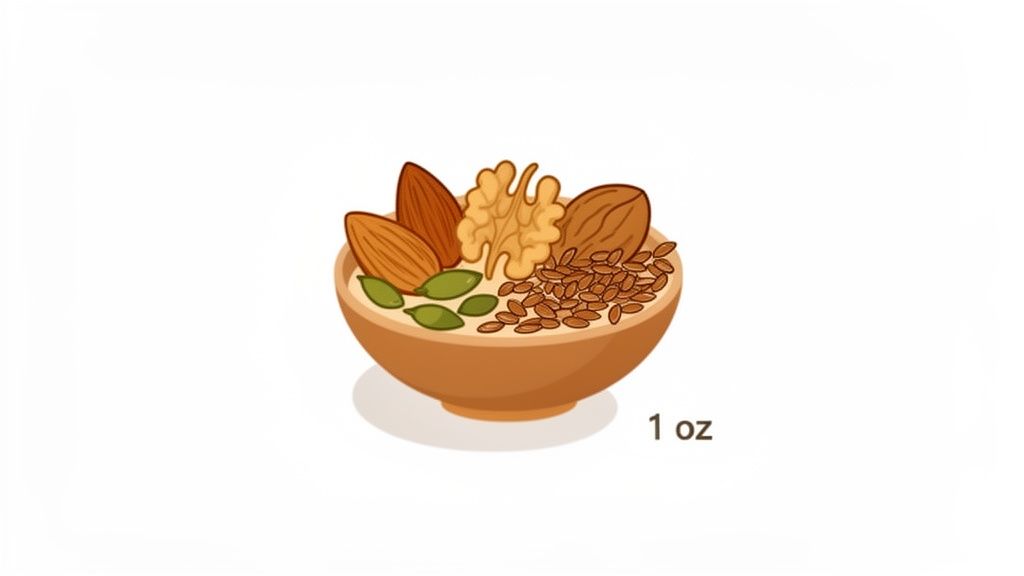
Because their energy comes from healthy fats and protein rather than simple sugars, nuts and seeds provide sustained energy release. This helps stabilize blood sugar levels, preventing the dreaded afternoon slump and keeping you focused. Popularized by whole-food movements like Paleo, they are now widely recommended by nutritionists for smart, on-the-go snacking that supports metabolic health.
How to Make Them a Daily Staple
Integrating nuts and seeds into your diet is simple due to their versatility. They can be enjoyed whole as a snack or added to meals for a boost of nutrients and texture.
- Breakfast: Sprinkle a tablespoon of ground flax or chia seeds into sugar-free yogurt or a low-fructose smoothie.
- Lunch: Top your salad with a handful of toasted pumpkin seeds or slivered almonds instead of sugary croutons.
- Snack: Enjoy a small handful of raw walnuts with an herbal tea, or spread natural almond butter on celery sticks for a filling mini-meal.
Actionable Tips for Success
To get the most benefit without overdoing it on calories, mindfulness and preparation are essential.
Pro Tip: Portion control is key. Use a food scale to measure out 1-ounce servings into small bags or containers at the start of the week. Keep these emergency portions in your desk, car, or gym bag.
Always check labels to ensure you're choosing raw or dry-roasted varieties without added sugars or honey. Avoid candied, chocolate-covered, or heavily salted options that can reintroduce the sugar you're trying to limit. Tracking your snack portions in the StopSugar app is a great way to build awareness and maintain a balanced intake as part of your low-fructose lifestyle.
5. Cheese and Full-Fat Dairy
When reducing sugar, many people miss the satisfying richness of processed sweets. Cheese and full-fat dairy products can effectively fill this gap, offering creamy textures and savory flavors with minimal fructose. Aged and hard cheeses like cheddar, parmesan, and swiss, along with full-fat Greek yogurt and cottage cheese, are excellent low fructose foods. They are rich in protein, particularly casein, which digests slowly and promotes sustained fullness, helping to curb cravings.
These dairy options provide healthy fats and very little sugar, primarily in the form of lactose rather than fructose. This composition supports stable blood sugar levels and can improve hormonal balance, making them a valuable addition to a diet focused on long-term health and satiety.
How to Make Them a Daily Staple
Incorporating these satisfying foods into your diet is simple and can prevent feelings of deprivation that often lead to sugar relapses.
- Breakfast: Opt for a bowl of plain, full-fat Greek yogurt topped with a handful of berries and seeds for a protein-packed start to your day.
- Lunch: Add crumbled feta or goat cheese to a salad, or enjoy a bowl of full-fat cottage cheese with sliced avocado and a sprinkle of black pepper.
- Snack: A few cubes of aged cheddar or a single-serving cheese stick paired with a few nuts can be a perfectly balanced, hunger-crushing snack.
Actionable Tips for Success
To get the most benefit, focus on quality and mindful choices. Reading labels is crucial in this category.
Pro Tip: Always choose plain, unsweetened dairy products. Fruit-flavored yogurts can contain as much sugar as a dessert, completely undermining your low-fructose goals. Add your own natural flavor with a dash of vanilla extract or a sprinkle of cinnamon.
Pay close attention to portion sizes, as these foods are calorie-dense. Using Greek yogurt as a substitute for sour cream or mayonnaise in recipes is a great way to boost protein and reduce unnecessary additives. Tracking your dairy intake in an app like StopSugar can help you monitor your digestive response and ensure you're staying aligned with your health objectives.
6. Meat and Poultry (Beef, Chicken, Turkey, Pork)
For those building a low-fructose diet, unprocessed meat and poultry are cornerstone protein sources. Pure beef, chicken, turkey, and pork contain zero fructose, making them excellent choices for stabilizing blood glucose and providing sustained energy. These foundational low fructose foods are crucial for building satiety, which helps prevent the energy crashes and subsequent sugar cravings common in high-sugar diets.
Unlike foods that contain sugars, protein digests slowly, promoting a feeling of fullness that lasts for hours. This metabolic stability is a key advantage when you're trying to break a sugar habit. Incorporating adequate protein can make the transition easier, as it directly combats the physical and psychological drivers of cravings. For a comprehensive guide on making this dietary shift, you can explore the steps on how to start a sugar-free diet.
How to Make Them a Daily Staple
Making lean protein a regular part of your meals is straightforward and offers endless variety. Its primary role is to serve as the satiating anchor of your breakfast, lunch, or dinner.
- Breakfast: Add leftover shredded chicken or ground turkey to a vegetable-filled omelet.
- Lunch: Top a large salad with grilled chicken breast or use lettuce wraps for ground turkey tacos.
- Dinner: Serve a pan-seared grass-fed steak with herbs alongside roasted vegetables or enjoy slow-cooked pulled pork made with a sugar-free rub.
Actionable Tips for Success
To maximize the benefits of meat and poultry, focus on quality and preparation methods.
Pro Tip: Avoid pre-marinated meats, processed sausages, bacon, and deli meats, as these often contain hidden sugars, syrups, and other additives. Always read the ingredient label carefully.
Choose cooking methods that don't add sugar, such as grilling, baking, roasting, or pan-searing. Season your proteins with fructose-free options like garlic, onion, paprika, cumin, and fresh herbs. Tracking your protein intake in the StopSugar app can help you correlate your meals with improved energy levels and mood stability, reinforcing your commitment to a low-fructose lifestyle.
7. Avocados and Healthy Fats (Olive Oil, Coconut Oil, Butter)
Healthy fats are essential for a balanced diet, and they are a cornerstone of a low-fructose lifestyle. Avocados, olive oil, coconut oil, and butter are excellent examples of fats that provide deep satiety and sustained energy while containing virtually zero fructose. These low fructose foods are critical for managing hunger and supporting vital bodily functions, including brain health and hormone regulation, which can be disrupted by a high-sugar diet.
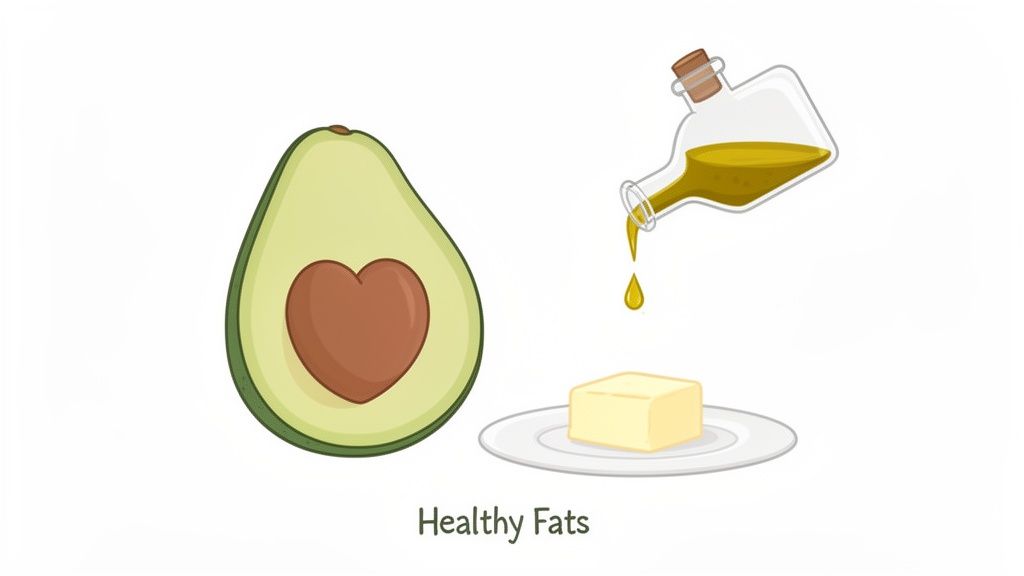
Unlike fructose, which can drive cravings and energy crashes, healthy fats digest slowly and provide a stable, long-lasting energy source. Incorporating them into your meals helps keep you feeling full and satisfied, reducing the temptation to reach for sugary snacks. Their importance has been highlighted by proponents of the Mediterranean, Paleo, and other whole-food dietary patterns for their role in overall wellness.
How to Make Them a Daily Staple
Adding healthy fats to your meals is a simple way to boost flavor, increase satiety, and displace high-sugar ingredients. Their versatility makes them easy to include throughout the day.
- Breakfast: Add sliced avocado to your eggs or blend half an avocado into a smoothie for a creamy texture.
- Lunch: Create a simple, flavorful dressing for your salad using extra virgin olive oil, lemon juice, and herbs.
- Dinner: Cook your proteins and vegetables in avocado oil, which has a high smoke point, or finish a dish with a pat of grass-fed butter for richness.
Actionable Tips for Success
To get the most benefit from healthy fats, focus on quality and mindful portioning.
Pro Tip: Make your own sugar-free guacamole with ripe avocados, lime juice, cilantro, onion, and a pinch of salt. Serve it with low-fructose vegetable sticks like celery, cucumbers, and bell peppers for a satisfying snack.
Choose extra virgin olive oil for dressings and finishing, and use avocado oil or coconut oil for high-heat cooking. While these fats are beneficial, they are calorie-dense, so a typical portion is about half an avocado or one tablespoon of oil per meal. Logging your fat intake in an app like StopSugar can help you monitor your consumption and track how it impacts your energy levels and satiety throughout the day.
8. Berries and Low-Fructose Fruits (Strawberries, Raspberries, Blackberries)
While most fruits are high in fructose, certain berries are an exception, making them a fantastic addition to your list of low fructose foods. Berries like strawberries, raspberries, and blackberries offer natural sweetness and essential nutrients without a significant fructose load. They are rich in fiber, which slows down sugar absorption, and packed with antioxidants that combat inflammation.
This unique balance makes them ideal for satisfying fruit cravings without derailing your progress. Unlike high-fructose fruits that can trigger sugar cravings and blood sugar spikes, these berries provide a gentle, more manageable source of sweetness. For individuals with a sensitivity to this sugar, understanding the nuances is key, and you can learn more about fructose intolerance and its effects to see why these choices are so beneficial.
How to Make Them a Daily Staple
Incorporating low-fructose berries into your diet adds flavor, color, and nutrition. Their versatility allows them to fit into any meal of the day, helping you stay on track while enjoying a touch of sweetness.
- Breakfast: Top a bowl of full-fat Greek yogurt with a handful of mixed berries and a sprinkle of nuts or seeds for a balanced start.
- Lunch: Add sliced strawberries to a leafy green salad with a light vinaigrette for a refreshing and satisfying meal.
- Snack or Dessert: Enjoy a small bowl of fresh raspberries with a dollop of unsweetened whipped cream for a simple, elegant treat. You can also blend frozen berries with protein powder and a healthy fat source like avocado for a fulfilling smoothie.
Actionable Tips for Success
To get the most out of these fruits without overdoing it, strategic consumption is essential.
Pro Tip: Keep bags of frozen, unsweetened berries in your freezer. They are just as nutritious as fresh, available year-round, and perfect for smoothies or a quick, cool snack.
Pairing berries with protein and healthy fats is crucial for minimizing any impact on your blood sugar. This combination promotes satiety and ensures a slow, steady release of energy. Be mindful of portion sizes, aiming for about one cup per day, and track your intake in the StopSugar app to maintain awareness and control as you gradually diminish sugar cravings.
Low-Fructose Foods: 8-Item Comparison
| Item | 🔄 Implementation complexity | 💡 Resource requirements | ⭐ Expected outcomes | 📊 Ideal use cases | ⚡ Key advantages |
|---|---|---|---|---|---|
| Leafy Greens and Cruciferous Vegetables | Low — minimal prep, raw or quick cook | Low cost, refrigerated short-term, easy bulk prep | ⭐⭐⭐⭐ — stabilizes glucose; high fiber, nutrient-dense | Daily meal base; swap for snacks; Alternatives Suggestions | ⚡ Very low fructose; high volume for satiety |
| Fatty Fish (Salmon, Mackerel, Sardines) | Moderate — cook briefly; canned options ready | Higher cost; refrigeration or canned shelf-stable | ⭐⭐⭐⭐ — reduces inflammation; supports mood and cognition | 2–3x weekly main protein; Mood tracker correlations | ⚡ High-quality protein + omega‑3s for brain health |
| Eggs (All Preparations) | Low — very quick to cook or prep ahead | Very low cost, refrigerated; portable when boiled | ⭐⭐⭐⭐ — sustained morning energy; prevents mid-morning cravings | Breakfast staple; grab-and-go snacks; Panic Button | ⚡ Complete protein, affordable and versatile |
| Nuts and Seeds (Almonds, Walnuts, Pumpkin, Flax) | Very low — no cooking; portioning advised | Moderate cost in bulk; shelf-stable; portable | ⭐⭐⭐ — portable satiety but calorie-dense | On-the-go snacks; Panic Button for immediate cravings | ⚡ Ready-to-eat, long shelf life, healthy fats & fiber |
| Cheese and Full-Fat Dairy | Low — ready-to-eat; combine with fruit/nuts | Moderate cost; refrigeration; watch lactose | ⭐⭐⭐ — satisfying, dessert-like; supports fullness | Dessert alternatives; snack bowls; Alternatives Suggestions | ⚡ Creamy texture mimics indulgence; high protein/calcium |
| Meat and Poultry (Beef, Chicken, Turkey, Pork) | Moderate — requires cooking and safe storage | Variable cost; refrigeration/freezing; prep time | ⭐⭐⭐⭐ — most satiating; stabilizes blood glucose | Core meal protein for daily energy; Daily check-ins | ⚡ High bioavailable protein and micronutrients |
| Avocados and Healthy Fats (Olive Oil, Butter) | Low — minimal prep; ripening management | Moderate to high cost; perishability consideration | ⭐⭐⭐ — supports satiety, hormone and brain function | Add to meals for fullness; Mood tracker support | ⚡ Dense, long‑lasting satiety; improves nutrient absorption |
| Berries and Low-Fructose Fruits (Strawberries, Raspberries, Blackberries) | Low — wash/portion; avoid overuse | Higher cost, seasonal; frozen no‑additives option | ⭐⭐⭐ — provides natural sweetness with fiber; limited fructose | Small rewards, dessert substitutes, paired with protein/fat | ⚡ Satisfies sweet cravings with antioxidants and fiber |
Your Next Step: From Knowing to Doing
You've just navigated a comprehensive guide to the world of delicious and satisfying low fructose foods. From the vibrant crunch of cruciferous vegetables to the rich, creamy texture of avocados and the savory satisfaction of well-prepared proteins, you now have a powerful toolkit. The goal isn't just to know what to eat; it's to build a sustainable lifestyle that frees you from the rollercoaster of sugar cravings and energy crashes. This journey transforms information into action, creating lasting habits that redefine your relationship with food.
This isn't about restriction; it's about empowerment. Knowing that you can enjoy a hearty omelet, a salmon salad, or a handful of almonds and walnuts gives you control over your health and well-being. The key takeaway is that a low-fructose lifestyle is abundant, not limiting.
From List to Lifestyle: Your Action Plan
Information is only as good as its implementation. To prevent this guide from becoming another forgotten browser tab, let's create a clear, actionable plan to integrate these principles into your daily routine.
1. Pick Your Starting Point (This Week): Don't try to overhaul your entire diet overnight. That approach often leads to burnout. Instead, choose one single area to focus on for the next seven days.
- Breakfast Reboot: If you typically start your day with cereal, toast with jam, or a sweet yogurt, commit to a low-fructose breakfast. Try scrambled eggs with spinach, a berry smoothie with unsweetened almond milk, or full-fat Greek yogurt with a sprinkle of pumpkin seeds.
- Snack Swap: Are you a 3 PM vending machine visitor? Plan your snacks. Pre-portion almonds, hard-boil a few eggs at the start of the week, or keep cheese sticks and berries on hand. This simple preparation is your best defense against impulse cravings.
- Dinner Upgrade: Focus on building your evening meal around a high-quality protein and a non-starchy vegetable. A simple baked salmon with roasted broccoli or a chicken stir-fry (using coconut aminos instead of sugary sauces) with bell peppers and snap peas is a perfect start.
2. Master the Art of Substitution: True success comes from learning how to adapt your favorite meals. This isn't about giving up what you love, but about making smarter choices.
- Instead of a sweet salad dressing, try a simple vinaigrette made with olive oil, lemon juice, and herbs.
- Instead of breading chicken or fish with flour, try a coating of crushed almonds or Parmesan cheese.
- Instead of a sugary marinade for meats, try a rub made from spices like paprika, garlic powder, and onion powder.
Key Insight: The most successful lifestyle changes are built on small, consistent substitutions, not drastic, temporary deprivations. Each smart swap is a vote for your long-term health.
3. Leverage Technology for Consistency: Habits are hard to build alone. This is where a tool like the StopSugar app becomes your indispensable partner. It bridges the gap between your intention and your action.
- Daily Check-ins: Use the app to log your low-fructose meals. This simple act of tracking reinforces your commitment and provides a visual record of your progress.
- Monitor Your Mood: Pay close attention to the app's mood and energy tracking features. Within days, you will likely notice a powerful correlation between avoiding high-fructose foods and experiencing more stable energy, clearer focus, and a brighter mood.
- Use the 'Panic Button': When a powerful craving for sugar strikes, don't rely on willpower alone. Use the app’s emergency feature for an instant, healthy alternative that satisfies the craving without derailing your progress.
The Bigger Picture: Why This Matters
Mastering a diet rich in low fructose foods is about more than just managing your weight. It's about reclaiming your metabolic health, stabilizing your energy levels, and sharpening your mental clarity. It’s about creating a foundation of wellness that supports every other aspect of your life. The principles you've learned here are not a short-term fix but a long-term strategy for vitality. If you are looking to expand your knowledge on how different food choices impact your body, you can consult additional nutrition resources to explore the science of healthy eating more deeply.
You now possess the knowledge and the strategy. Your journey forward is defined not by a single giant leap, but by the series of small, intentional steps you take every day. Choose your first step, track your progress, and celebrate the small wins. You're not just changing your diet; you're building a healthier, more vibrant you, one delicious, low-fructose meal at a time.