Sugar Withdrawal How Long A Realistic Timeline

So, how long does sugar withdrawal actually last? It’s the million-dollar question for anyone thinking about kicking their sugar habit.
For most people, the physical rollercoaster—think headaches and crushing fatigue—hits its peak within 2 to 5 days. The good news? These symptoms usually calm down a lot by the end of that first week. While the physical fight is often short-lived, the mental game of managing cravings can stick around for a few more weeks as your brain rewires itself.
What to Expect From the Sugar Withdrawal Timeline
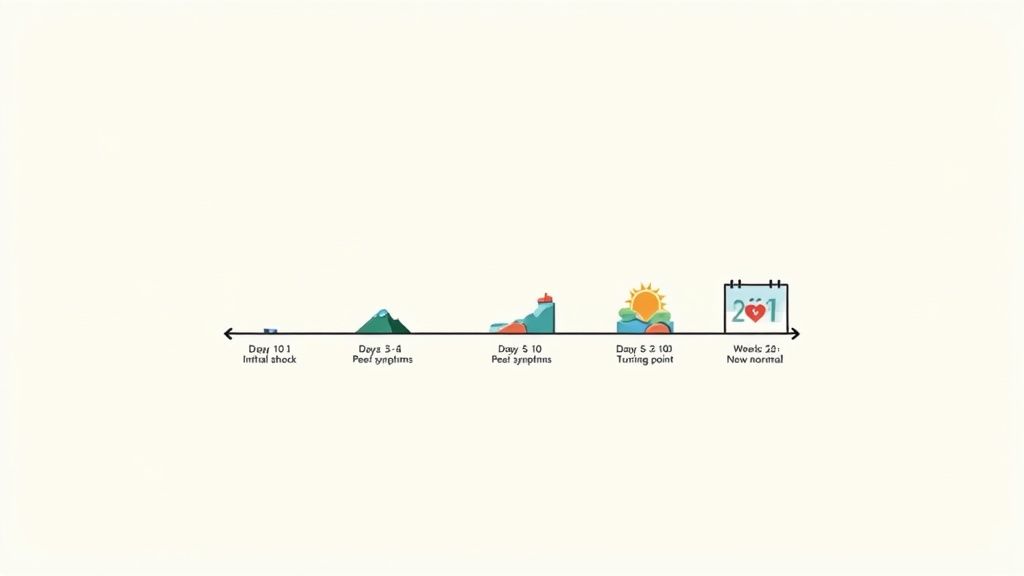
Think of quitting sugar like climbing a steep hill. The beginning is tough, no doubt about it. But once you get past that initial incline, the path gets a whole lot easier, and you'll find your rhythm faster than you think. Knowing what’s coming helps you prepare and tackle each stage with confidence.
Don't worry, your body's reaction is completely normal. If you've been eating a lot of added sugar for years, you've essentially trained your brain's reward center to expect those sweet hits. Take them away, and your body needs time to adjust. That adjustment period is what we call withdrawal.
The Typical Phases of Withdrawal
Studies give us a pretty clear window into what to expect. In one survey, 68% of adults who cut back on sugar said they felt withdrawal symptoms, with most agreeing the first week was the worst. But here's the encouraging part: 85% of them also said their physical symptoms were dramatically better by day seven, even if the mental cravings lingered a bit longer.
To give you a better idea of the road ahead, here’s a quick breakdown of what you can expect day by day.
A Quick Look at Sugar Withdrawal Phases
This table breaks down the common stages of sugar withdrawal, so you know what to expect physically and mentally as you move through the timeline.
| Phase (Timeframe) | Common Physical Symptoms | Common Psychological Symptoms |
|---|---|---|
| Days 1-2 (Initial Shock) | Headaches, fatigue, muscle aches | Irritability, anxiety, initial cravings |
| Days 3-5 (Peak Symptoms) | Intense headaches, nausea, dizziness | Strong cravings, mood swings, brain fog |
| Days 6-10 (Turning Point) | Symptoms fade, energy starts to return | Cravings lessen, focus improves |
| Weeks 2-4 (New Normal) | Most physical symptoms gone | Occasional cravings, stable mood |
Seeing it laid out like this helps you realize that the most difficult part is temporary and manageable.
The key takeaway is that the most uncomfortable physical part of sugar withdrawal is temporary. Getting through that first week is the biggest hurdle; after that, it becomes much more a mental game of managing cravings and building new, healthier habits.
The physical and psychological sides of this journey are completely intertwined. You can dive deeper into these specific sugar withdrawal symptoms in our detailed guide. Consider this timeline your roadmap—it shows you where the bumps are and, more importantly, when to expect smoother sailing.
Why Kicking the Sugar Habit Can Feel Impossible
Ever tried to cut out sugar and felt like you were in a genuine battle with your own body? It's not just a lack of willpower. There’s some serious brain chemistry at play, and understanding it is the first step to figuring out how to push through those first few brutal days.
Think of your brain's reward center as a stage. Eating sugar is like a rockstar hitting the stage, setting off a massive explosion of fireworks and triggering a huge rush of a feel-good chemical called dopamine. That chemical tells your brain, "Wow, that was amazing! Let's do that again!"
So, when you suddenly stop eating sugar, the rockstar leaves the stage, and the fireworks stop. The whole place goes dark and quiet. Your brain, used to the show, starts screaming for an encore. This abrupt drop in dopamine is the real culprit behind the intense cravings, crummy moods, and sheer exhaustion that we call sugar withdrawal.
Your Brain on Sugar
The link between sugar and that dopamine hit is incredibly strong. Research shows that eating sugar lights up the same areas of the brain that are affected by addictive substances, releasing natural opioids and dopamine. This creates a powerful feedback loop: you eat sugar, you feel good, you crave more sugar. It’s a simple, but effective, cycle.
When you cut off the supply, your brain basically has to learn to live without the constant fireworks. It has gotten used to this easy, external source of pleasure, and its absence throws your chemistry out of whack for a little while. This is why the first few days can feel so physically and mentally draining.
Feeling irritable, anxious, or like you’re walking through a fog isn't a sign that you're failing. It’s a completely predictable, physiological response. Your brain is just rewiring itself to function without the constant sugar rush.
Knowing this can give you the strength to stick with it. You aren’t just breaking a bad habit; you're giving your brain and body the space they need to heal and find a new, healthier balance. We dive deeper into this biological process in our guide on whether you can have withdrawals from sugar.
The Hormonal Rollercoaster
It's not just about brain chemistry. Sugar also sends your hormones on a wild ride, especially insulin. A diet high in sugar forces your blood glucose to spike and crash constantly, and your insulin has to work overtime to try and manage the chaos.
Once you quit sugar, your body has to relearn how to keep your energy levels steady on its own. During this adjustment, you might experience:
- Serious Fatigue: Without those easy sugar hits for fuel, your body might struggle to tap into more sustainable energy sources at first.
- Dizziness: Those wobbly blood sugar levels can leave you feeling lightheaded and out of sorts.
- Overwhelming Cravings: Your body is so used to asking for sugar for a quick fix that it will send out powerful distress signals.
If this sounds familiar, it might be worth exploring your metabolic health. For many people, understanding insulin resistance can be a real game-changer, as it often makes sugar cravings and withdrawal symptoms even more intense. By focusing on stabilizing your blood sugar with meals full of protein, fiber, and healthy fats, you give your body the steady fuel it needs to get through this hormonal transition with fewer bumps in the road.
Your Day-by-Day Guide to Getting Through It
Let's be honest: quitting sugar can feel like you're setting off on a journey without a map. But knowing what to expect turns a confusing struggle into a challenge you can actually manage. Think of this guide as your roadmap—we'll break down each phase, what you'll likely feel, and how to get through it.
We're going to walk through the initial shock of the first couple of days, navigate the toughest climb, and celebrate that moment you finally turn the corner. You'll have a strategy for every single step.
It all starts with a simple, powerful loop in your brain.
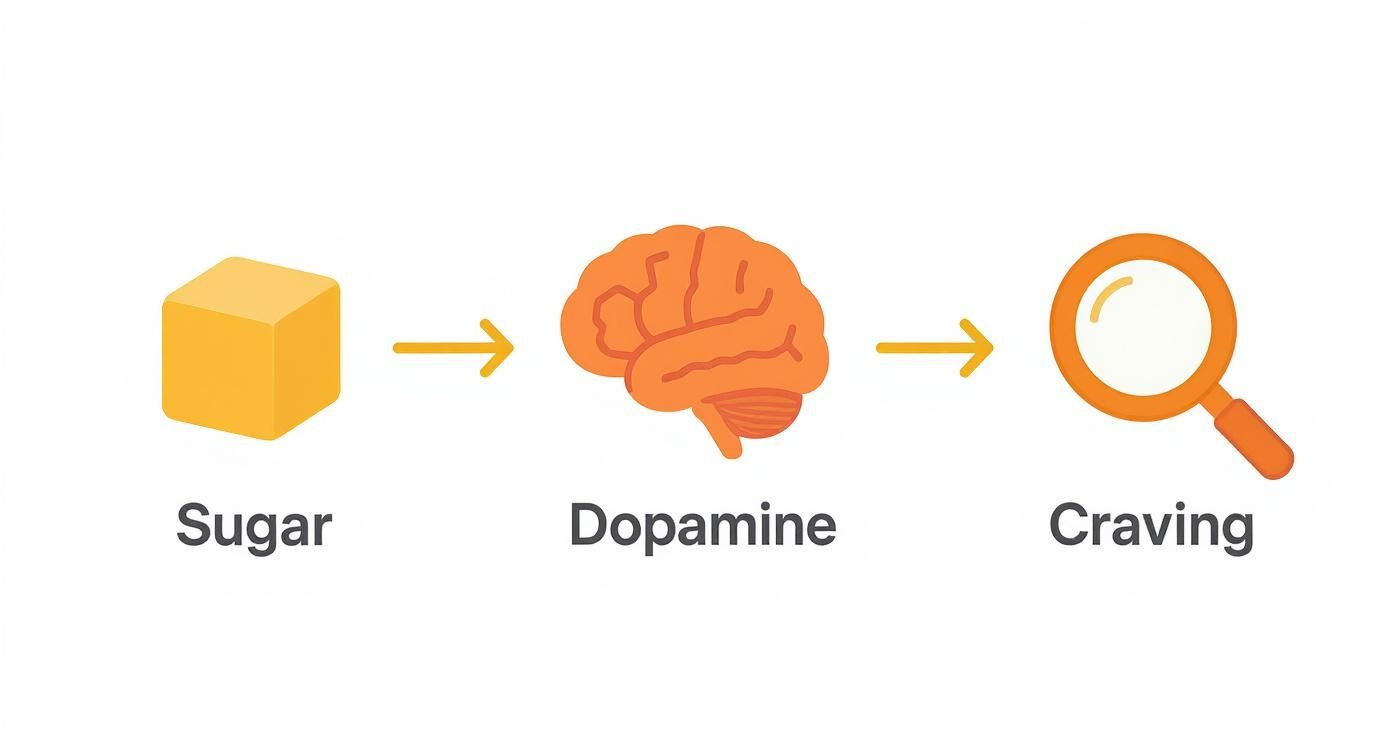
When you eat sugar, your brain gets a nice hit of dopamine, the "feel-good" chemical. That rewarding feeling makes your brain want more, driving the cravings and creating a cycle that's tough to break.
The First 48 Hours: The Initial Shock
The first two days are all about your body realizing something has changed. Big time. You've just cut off its go-to source for quick energy, and it’s not happy about it. This is when the first wave of physical and mental symptoms usually rolls in.
Most people first notice the headaches and a deep, bone-weary fatigue. You might also feel a growing irritability or a low-level hum of anxiety as your brain starts looking around for the dopamine hit it’s used to.
Common Symptoms (Days 1-2):
- Mild to moderate headaches: Usually a dull, throbbing pain that just hangs around.
- Growing fatigue: That sluggish feeling that even a good night's sleep can't seem to shake.
- Initial cravings: These are often more psychological at first—triggered by your afternoon coffee break or post-dinner routine.
- Irritability: Little things that normally wouldn't bother you might suddenly feel like a huge deal.
Your best friend during this phase? Water. Hydration is everything. Many withdrawal headaches get way worse with dehydration, so keep a water bottle glued to your hand and sip all day. If you need a more structured game plan, our guide to a 5-day sugar detox can give you that extra focus.
How the StopSugar App Helps: In these first critical days, the Daily Check-in feature is your go-to. Logging your mood and symptoms isn’t just about tracking; it's about acknowledging what you're feeling, which helps you process the changes and builds a solid foundation for the days to come.
Days 3-5: The Toughest Climb
Alright, welcome to what most people call the peak of the mountain. If the first couple of days were a warning shot, this is when your body's protests get loud. The physical symptoms often ramp up, and you might feel like you're coming down with the flu.
This is when cravings can feel intensely physical, and brain fog can make it hard to focus on the simplest things. You're not imagining it. A major international study found that 65% of people felt their symptoms peaked right around this time, between days two and five. Remember, this intensity is a sign that your body is recalibrating. It's a temporary storm, not a permanent weather forecast.
Common Symptoms (Days 3-5):
- Intense headaches: They might get worse before they get better. Hang in there.
- Strong physical cravings: Your body is screaming for a quick energy fix.
- Nausea or dizziness: Wild swings in blood sugar can leave you feeling off-balance and queasy.
- Significant mood swings: You might feel weepy one minute and furious the next. It’s the biology talking, not you.
Your mission here is to find stability. Focus on eating balanced meals packed with protein, healthy fats, and fiber. These nutrients give you sustained energy, helping to level out your blood sugar and take the edge off the cravings and moodiness. Even a short, gentle walk can be a game-changer for your headspace.
How the StopSugar App Helps: This is the perfect time to get familiar with the Panic Button. When a craving hits like a ton of bricks and you feel like caving, this feature gives you an immediate lifeline—a distraction and support to get you through that moment.
Days 6-10: Turning a Corner
You made it through the storm! This phase often feels like the clouds are finally starting to part. The worst of the physical symptoms usually begin to fade, and you’ll likely wake up with a little more energy and a much clearer head.
While the intense physical battle is winding down, the mental game is still on. Cravings will pop up, but they won't feel as desperate or all-consuming. You’re not completely out of the woods, but you can definitely see the trail ahead. In fact, by the end of this first week, research shows over 82% of people report a major drop in physical symptoms like headaches and fatigue.
Coping Strategies for This Phase:
- Introduce Gentle Movement: With your energy returning, now is a great time for light exercise. Think walking, stretching, or yoga to boost your mood and keep your energy stable.
- Plan Healthy Snacks: Be prepared for when a craving whispers your name. Have nuts, seeds, apple slices with peanut butter, or Greek yogurt ready to go.
- Reflect on Your Progress: Seriously, take a moment. You just got through the hardest part. That’s a huge win and deserves to be acknowledged.
How the StopSugar App Helps: Start exploring the Alternative Suggestions feature. When you're craving a specific sweet treat, the app can offer a smarter, healthier swap that satisfies the urge without derailing your progress.
Weeks 2-4: Finding Your New Normal
By now, you've climbed the mountain. The constant fatigue and nagging headaches are probably a distant memory. Your energy should feel more consistent throughout the day, and your focus is back online.
This final phase of the initial withdrawal is all about your mindset and building new habits. The challenges are almost entirely psychological. Cravings will be triggered by stress, boredom, or that office birthday party. Your job is to build healthier ways to cope instead of automatically reaching for sugar.
You're learning to navigate a world full of temptation with a new set of tools and a stronger sense of control. This is where you forge the habits that will lead to long-term success.
To make it even clearer, here’s a quick-glance table to match the best strategies with each phase of your journey.
Coping Strategies Matched to Your Withdrawal Phase
| Withdrawal Phase | Top Coping Strategy | Supportive Daily Habit |
|---|---|---|
| Days 1-2 (The Shock) | Hydrate Relentlessly: Water is your #1 tool for fighting headaches and fatigue. | Keep a water bottle with you at all times and sip consistently. |
| Days 3-5 (The Peak) | Stabilize with Protein & Fat: Eat balanced meals to keep blood sugar steady and reduce cravings. | Plan and prep meals ahead so you're not caught off guard and hungry. |
| Days 6-10 (The Turn) | Gentle Movement: Light exercise boosts mood and restores a sense of well-being. | Go for a 15-minute walk after lunch or dinner. |
| Weeks 2-4 (New Normal) | Identify Your Triggers: Pay attention to what situations or emotions make you crave sugar. | Keep a simple journal (or use the app) to note when cravings hit. |
This table acts as your cheat sheet. When you feel a specific symptom creeping in, you can quickly identify your phase and deploy the most effective strategy right away.
How the StopSugar App Helps: This is where the future AI Coach will become your best ally. By analyzing your check-ins and craving patterns, it will offer personalized insights, helping you pinpoint your unique triggers and build durable, new habits for a life free from sugar's grip.
What Changes Your Withdrawal Timeline?
Ever wonder why your friend can quit sugar and barely flinch, while you're wrestling with killer headaches and a mood that’s all over the place? It’s not just you. The truth is, there's no one-size-fits-all timeline for sugar withdrawal. The experience is deeply personal, shaped by your unique history with sugar and your current lifestyle.
Think of it like this: if you’ve been walking the same path through a forest every single day for years, that trail is going to be deep and well-defined. Someone who only wanders down it once in a while leaves a much fainter mark. Kicking sugar is like letting that old, deep path grow over while you blaze a completely new trail. The deeper the old path, the more work it takes.
Figuring out what makes your journey unique is the first step. It helps you set realistic expectations and, more importantly, shows you what you can control to make the whole process a lot smoother.
Your Past Relationship with Sugar
The single biggest factor here is how much sugar you were eating, and what kind it was. The more sugar your body was used to, the more it's going to notice when it's gone.
Someone who was downing multiple sodas a day and capping every meal with dessert has a very different starting point than someone who just took a little sugar in their morning coffee. A heavy, daily habit rewires your brain’s reward system in a much more powerful way, so the backlash from your body and brain will feel more intense when you cut it off.
The type of sugar you were eating also makes a huge difference.
- Refined and Liquid Sugars: Things like candy, sugary drinks, and processed snacks hit your system like a rocket. They cause huge, fast spikes in blood sugar and dopamine. Your body gets used to these intense highs, which makes the crash during withdrawal feel that much more brutal.
- Natural Sugars with Fiber: The sugar in a whole apple, for example, comes packaged with fiber. This handy addition slows everything down, leading to a much gentler rise in blood sugar. That means the dependency is less intense, and the withdrawal symptoms are usually milder.
Your withdrawal isn't a measure of your willpower. It's a biological reaction. A tougher withdrawal just means your body is working harder to recalibrate from a heavier sugar load.
Your Overall Lifestyle and Biology
Beyond just sugar, your general health and daily routines have a massive impact on how you'll feel. How well your body handles the stress of this change really depends on the support systems you already have in place.
Picture your body as a car entering a tough race—that race is your sugar withdrawal. If the car starts with a full tank of good fuel, a well-rested driver, and a solid frame, it’s going to handle the rough patches with no problem. But if it starts with a sputtering engine, a tired driver, and a shaky chassis, that race is going to feel nearly impossible.
Three key lifestyle factors can either help or hurt your timeline:
- Stress Levels: When you're constantly stressed, your body is swimming in cortisol. This hormone can crank up your sugar cravings and make withdrawal symptoms like anxiety and irritability feel ten times worse.
- Sleep Quality: Not getting enough quality sleep throws your hunger hormones completely out of whack. When you’re exhausted, your brain screams for quick energy, and that usually means sugar. It makes cravings incredibly difficult to fight.
- Exercise Habits: You don't have to run a marathon, but regular, gentle movement is a game-changer. Exercise helps keep your blood sugar stable, gives you a natural mood boost from endorphins, and can take the edge off fatigue and headaches.
At the end of the day, your unique biology—your metabolism, gut health, and hormones—sets the stage. By focusing on what you can control, like managing stress, getting better sleep, and moving your body, you’re giving yourself the best possible shot at getting through this with greater ease and feeling fantastic on the other side.
Proven Strategies to Ease Withdrawal Symptoms
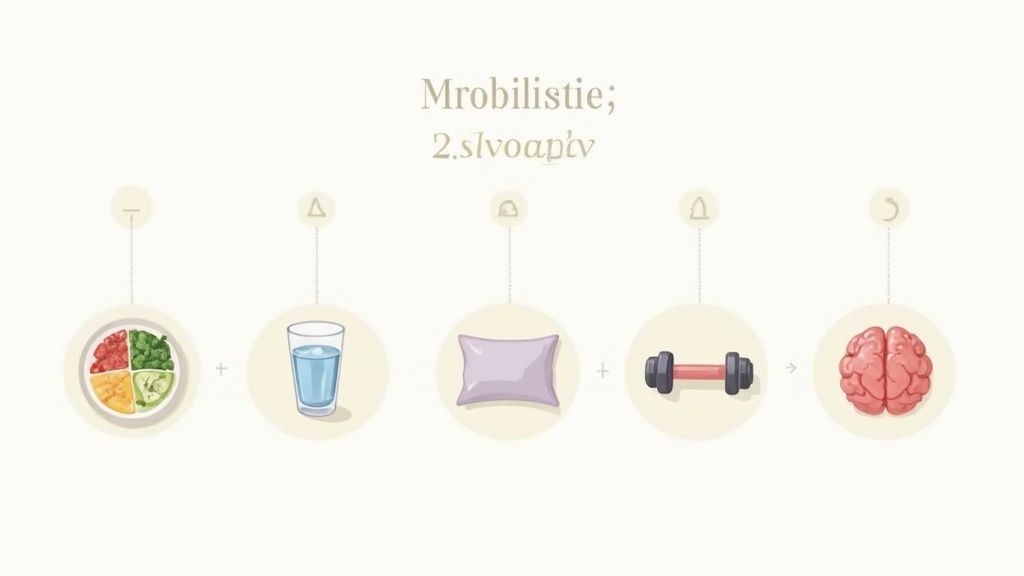
Knowing the timeline for sugar withdrawal is one thing. Actually getting through it is another beast entirely. Success isn’t about just gritting your teeth and pushing through the misery. It’s about actively supporting your body and mind with smart, evidence-based strategies that make the whole process feel much less daunting.
Think of it like this: your body has been running on cheap, quick-burning fuel (sugar). Now, you’re making the switch to premium, slow-release energy. That kind of transition requires a serious tune-up in a few key areas—your diet, daily habits, and even your mental game. Let’s break down the practical steps you can take to make this easier.
Fuel Your Body the Right Way
Your most powerful tool during withdrawal is your fork. Seriously. What you eat has a direct line to your blood sugar stability, which controls everything from your energy and mood to how intense your cravings feel. The mission is to get off the rollercoaster of sugar spikes and crashes for good.
To do that, build your meals around three non-negotiables:
- Protein: Think of protein as your anchor. It digests slowly, keeping you feeling full and providing a steady stream of energy. This helps you dodge those energy slumps that send you running for a candy bar. Load up on chicken, fish, eggs, beans, and lentils.
- Healthy Fats: Don’t fear the fat! Sources like avocado, nuts, seeds, and olive oil are essential for feeling satisfied and keeping your hormones in check. A little healthy fat makes you feel full so you aren't hunting for a sweet treat an hour after lunch.
- Fiber: Found in vegetables and whole grains, fiber slows down how quickly your body absorbs any natural sugars in your food. This is key for preventing those sharp blood sugar spikes and keeping your digestive system running smoothly.
When you build every meal around this powerhouse trio, you give your body the sustained energy it craves, which dramatically quiets its screams for a quick sugar hit.
How the StopSugar App Helps: When you're staring into the fridge and have no idea what to make, the Alternative Suggestions feature is a lifesaver. It gives you smart, satisfying swaps for sugary snacks and meals, so you always have a healthy, compliant option ready to go.
Adjust Your Lifestyle Habits
Food is critical, but your daily routines play an equally important supporting role. A few simple tweaks to how you sleep and move can make a massive difference in how long your withdrawal symptoms last and how intensely you feel them.
Prioritize Your Sleep When you're sleep-deprived, the hormones that control hunger and cravings go completely haywire. Your brain just wants quick energy, making it nearly impossible to say no to sugar. Aiming for 7-9 hours of quality sleep a night is one of the best things you can do to regulate these hormones and give yourself a fighting chance against cravings.
Incorporate Gentle Movement You don’t need to go run a marathon. In fact, really intense exercise can sometimes add more stress when you're in the thick of withdrawal. Instead, focus on gentle movement like a brisk walk, some stretching, or a yoga session. Even a quick 15-minute walk can release mood-boosting endorphins and help stabilize your blood sugar, taking the edge off your symptoms.
Master Your Mindset
Let's be honest, the mental battle is often the toughest part. Cravings aren't just physical; they're deeply tied to our emotions—stress, boredom, the need for comfort. Learning how to manage these triggers is where the long-term success really happens.
Much of the struggle comes down to emotional dysregulation. That's why it can be incredibly helpful to learn about emotional regulation and find ways to handle stress without immediately reaching for something sweet.
The research backs this up. A huge 2022 meta-analysis found that while the physical stuff tends to clear up within a week for 85% of people, the psychological cravings can linger. The study showed that 44% of participants were still battling those mental urges for up to four weeks. This really shines a light on how vital a strong mindset is.
Here are two simple techniques you can use right away:
- Deep Breathing: When a craving hits, it can feel like an emergency. Just stop. Take five slow, deep breaths. This incredibly simple action calms your nervous system and creates a tiny bit of space between the urge and your reaction, allowing you to make a conscious choice.
- Mindful Distraction: Instead of trying to wrestle the craving into submission, just change the channel. Put on your favorite song, call a friend, or step outside for a minute. The goal is to break the obsessive thought loop and ride out the wave until it passes. And trust me, it always passes.
How the StopSugar App Helps: The Panic Button was built for these exact moments. When you feel a craving taking over, hitting the button gives you an immediate, guided distraction. It’s designed to help you regain your footing and get past the urge without giving in.
When to Talk to a Healthcare Professional
Most people can get through sugar withdrawal on their own using the kinds of strategies we’ve talked about. But your health and safety should always be the top priority.
Knowing when to call in a professional is a key part of making this change successfully. Think of it like the difference between a tough workout and an actual injury—sore muscles are normal, but sharp, persistent pain is a clear signal to stop and get an expert opinion.
Recognizing Red Flags
The worst of sugar withdrawal usually lasts about one to two weeks. If your symptoms feel extreme, aren't getting better, or are actually getting worse after that time, it’s a good idea to talk to a doctor.
Keep an eye out for these specific warning signs:
- Severe, persistent headaches that don’t respond to extra water or over-the-counter pain relievers.
- Extreme mood swings, anxiety, or feelings of depression that make it hard to get through your day.
- Intense dizziness or nausea that stops you from doing your normal activities.
- Any symptoms that drag on for more than two weeks without showing any signs of letting up.
When You Have a Pre-Existing Condition
If you're managing an underlying health issue like diabetes, hypoglycemia, or a heart condition, it's absolutely crucial to talk with your doctor before you start cutting out sugar.
A sudden drop in sugar can have a much bigger impact on your body, and a healthcare provider can help you create a plan that’s both safe and effective for your specific needs.
Your doctor is your partner in health, not someone who is there to judge your diet. Getting their advice from the start ensures you’re making this change in the smartest and safest way for your body.
Got Questions? We've Got Answers
Stepping away from sugar can feel like uncharted territory, and it's natural to have questions pop up along the way. We've compiled some of the most common ones we hear to give you clear, straight-up answers. Knowing what to expect can make all the difference.
Will I Lose Weight Right Away if I Quit Sugar?
It's a common hope, but immediate, major weight loss is rare. What you might notice in the first week is feeling less bloated and maybe dropping a couple of pounds. This is usually just water weight. Your body holds onto extra water to process high amounts of sugar, so when the sugar goes, so does the water.
Real, sustainable fat loss is tied to your overall diet and calorie intake. Kicking added sugar is a fantastic move for your health and a huge step toward long-term weight management, but think of it as a cornerstone habit, not a quick fix.
What About Artificial Sweeteners? Can They Help with Cravings?
This is a really tricky one, and honestly, the jury is still out. For some people, using artificial sweeteners can be a temporary crutch to get over the initial, intense craving hump. They provide that sweet sensation without the actual sugar.
The catch? Some studies suggest that they can keep your brain wired for sweetness, which might make it harder to break the habit for good. If you decide to use them, try to view them as a short-term tool to get you through the first week, not a long-term substitute. The ultimate goal is to dial down your need for intense sweetness altogether.
What’s the Single Most Important Thing to Focus on in Week One?
If you can only do two things, make them hydration and balanced meals. Seriously. Dehydration can amplify withdrawal symptoms like headaches and fatigue, so keeping a water bottle handy is a non-negotiable. It’s a simple trick that has a massive impact on how you feel.
At the same time, eating meals packed with protein, healthy fats, and fiber is your secret weapon. These foods stabilize your blood sugar, which helps prevent the gnarly energy crashes and mood swings that send you running back to the cookie jar. It's all about building a solid foundation.
Do I Have to Give Up All Sugar, Even Fruit?
Absolutely not. The real target here is added sugars—the sugars that are dumped into processed foods, drinks, desserts, and even savory sauces. Whole fruits are a completely different story. They come with natural sugars, but they're also bundled with fiber, water, and essential nutrients.
The fiber in whole fruit is a game-changer. It slows down how quickly sugar enters your bloodstream, preventing the dramatic spikes and crashes caused by added sugars. So, for most people, enjoying a few servings of whole fruit each day is a perfectly healthy part of the plan.