10 Ways to Get a Lasting Energy Boost Without Caffeine in 2026
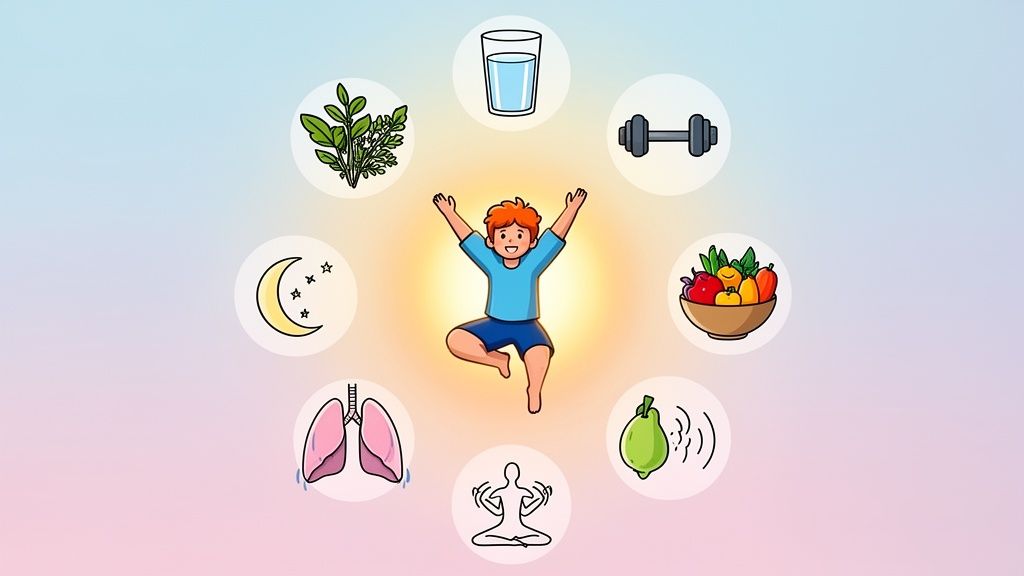
Are you caught in a cycle of morning fatigue, a midday slump, and a desperate reach for another cup of coffee? You're not alone. While caffeine offers a temporary lift, it often leads to a harsh crash, anxiety, and disrupted sleep, creating a dependency that masks the real reasons for your exhaustion. What if you could unlock a steady, reliable stream of vitality that lasts all day, without the jitters or the inevitable decline? This comprehensive guide explores 10 powerful, science-backed strategies to achieve a genuine energy boost without caffeine.
We'll move beyond quick fixes and delve into the foundational habits that build resilient, caffeine-free energy. This isn't about simply replacing one stimulant with another; it's about fundamentally improving how your body produces and sustains its own power. You will learn actionable techniques covering everything from metabolic health and smart nutrition to restorative sleep and stress management. For those exploring plant-based methods, consider research on adaptogenic herbs and other caffeine alternatives that can provide sustained vitality.
This listicle provides practical, evidence-based steps to reclaim your natural energy reserves. Prepare to learn how strategic meal timing, specific micronutrients, and simple movement breaks can stabilize your blood sugar and keep your mind sharp from morning to night. By the end, you will have a clear roadmap to transform your relationship with your body's energy systems and discover how simple, consistent changes can eliminate the need for external stimulants for good.
1. Balanced Blood Sugar Management Through Complex Carbohydrates
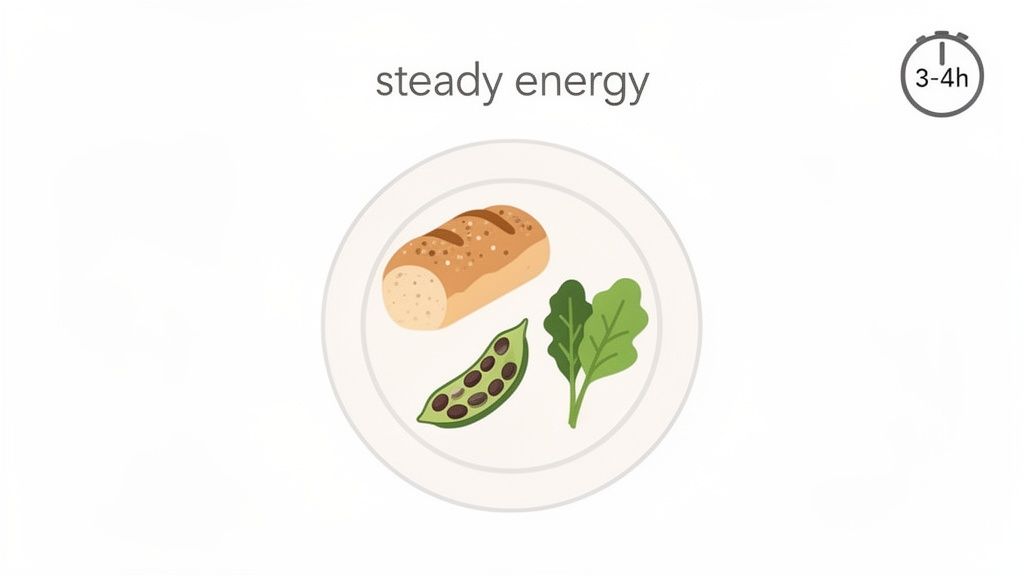
The key to a powerful, natural energy boost without caffeine lies in what you eat, and more importantly, how your body uses it for fuel. Managing your blood sugar is the foundation of sustained energy. When you consume simple sugars or refined carbohydrates like white bread or sugary snacks, your blood glucose spikes rapidly and then crashes, leaving you feeling tired and craving more sugar.
Complex carbohydrates, found in low glycemic index (GI) foods, are different. They release glucose slowly and steadily into your bloodstream. This provides a consistent supply of energy that can last for hours, preventing the dramatic highs and lows that disrupt your focus and mood. By stabilizing your blood sugar, you not only get a reliable energy boost without caffeine but also begin to break the cycle of sugar cravings.
How to Implement This Strategy
Making this change is about smart swaps, not drastic restrictions. Focus on replacing one refined carb source per day with a complex one to build momentum.
- Breakfast: Swap sugary cereal for a bowl of oatmeal topped with nuts and berries.
- Lunch: Choose whole-grain bread for your sandwich instead of white bread.
- Dinner: Make brown rice, quinoa, or barley the base of your meal instead of white rice or pasta.
Actionable Tips for Steady Energy
To maximize the benefits and keep your energy stable throughout the day, follow these practical steps:
- Pair Your Carbs: Always combine your complex carbohydrates with a source of protein and healthy fat (like chicken with quinoa or avocado on whole-grain toast). This further slows down glucose absorption, extending your energy even longer.
- Aim for Fiber: Target 25-30 grams of fiber daily from sources like legumes, vegetables, and whole grains. Fiber is crucial for slow digestion and stable blood sugar.
- Use Smart Tools: If you're unsure which foods are best, the StopSugar app can help. Use its alternative suggestion feature to find low-GI substitutes for your favorite high-sugar foods.
For a deeper dive into how these foods work, you can explore the science behind slow-release carbohydrates and sustained energy.
2. Strategic Protein Consumption for Satiety and Stable Energy
Just as important as the carbohydrates you eat is the protein you pair them with. Protein is a powerhouse for providing a steady, reliable energy boost without caffeine because it slows down the digestion of your entire meal. This effect, promoted by experts like Dr. Ludwig of Harvard Medical School, helps prevent the rapid blood sugar spikes and subsequent crashes that leave you feeling drained and lethargic, especially during the afternoon slump.
By consuming adequate protein, you also increase the production of satiety hormones, which signal to your brain that you are full and satisfied. This helps curb hunger-driven cravings for sugary snacks that sabotage your energy levels. Furthermore, protein has a higher thermic effect of food (TEF), meaning your body uses more energy to digest it, which can contribute to a subtle increase in metabolic rate and overall alertness.
How to Implement This Strategy
Integrating more protein is about making each meal and snack more robust. Focus on adding a quality protein source to every eating occasion to maintain stable energy from morning to night.
- Breakfast: Swap a plain bagel for a vegetable omelet or Greek yogurt with berries.
- Lunch: Add grilled chicken, chickpeas, or salmon to your salad instead of just vegetables.
- Snack: Choose a handful of almonds or a hard-boiled egg over crackers or a granola bar.
Actionable Tips for Steady Energy
To effectively use protein for sustained energy, aim for consistency and balance throughout your day.
- Target 25-30g Per Meal: Aim for this amount in your main meals to ensure you get the full satiety and blood sugar-stabilizing benefits.
- Prepare in Batches: Cook a batch of chicken breasts, hard-boiled eggs, or lentils at the start of the week for quick and easy additions to meals.
- Track Your Intake: Use the StopSugar app’s daily tracker to monitor your protein consumption and ensure you’re hitting your energy-sustaining goals.
For a more detailed guide on how much protein you need and the best sources, you can explore the relationship between protein intake and weight management.
3. Strategic Hydration and Electrolyte Balance
One of the most overlooked reasons for fatigue is simple dehydration. Even a minor fluid deficit can thicken your blood, forcing your heart to work harder to deliver oxygen and nutrients to your cells, which results in a significant energy drain. This state of low energy is often mistaken for hunger, leading to unnecessary snacking and sugar cravings when what your body truly needs is water.
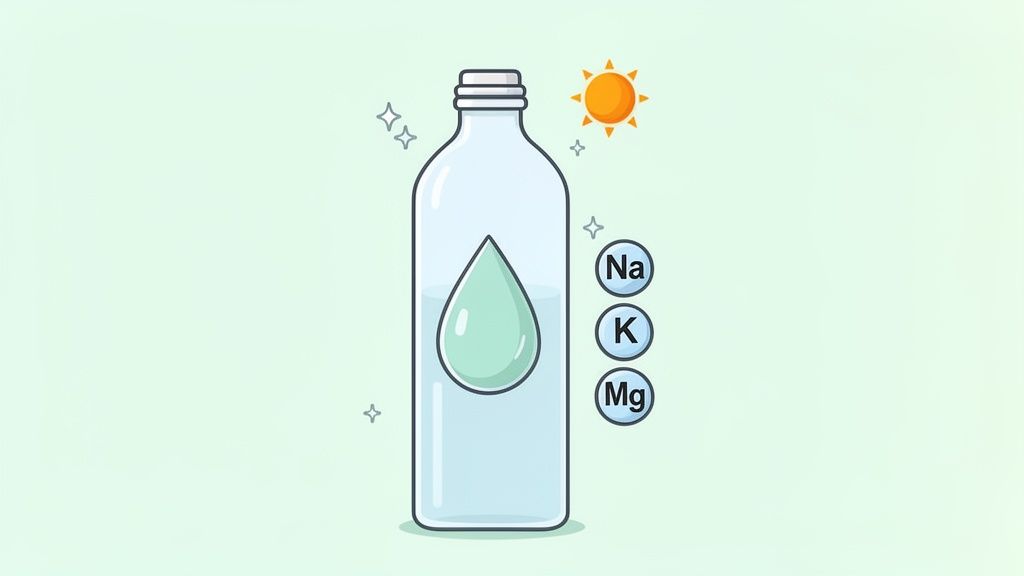
Strategic hydration is about more than just drinking when you feel thirsty; it’s about maintaining optimal fluid and mineral levels to support cellular function. Electrolytes like sodium, potassium, and magnesium are crucial for nerve signaling and muscle function. When you restore this balance, you get a powerful, natural energy boost without caffeine, improve mental clarity, and reduce the false hunger signals that can sabotage your health goals.
How to Implement This Strategy
Integrating strategic hydration into your routine starts with being proactive rather than reactive. The goal is to stay ahead of thirst, which is an early sign that your body is already dehydrated.
- Morning Kickstart: Begin your day by drinking a large glass (16 oz) of water before breakfast to rehydrate after sleep.
- Herbal Tea Breaks: Replace a sugary afternoon soda with a soothing herbal tea like peppermint or chamomile.
- Post-Workout Replenishment: After exercise, opt for unsweetened coconut water or water with a pinch of sea salt and a squeeze of lemon to replace lost electrolytes.
Actionable Tips for Steady Energy
To turn hydration into a consistent source of energy, apply these practical habits and keep your body running efficiently.
- Pre-Meal Hydration: Drink a glass of water 30 minutes before each meal. This not only aids digestion but also helps you feel fuller, preventing overeating and poor food choices.
- Monitor Your Progress: A simple way to check your hydration is to observe your urine color. A pale yellow shade typically indicates you are well-hydrated.
- Leverage Technology: Use an app like StopSugar to set hourly water reminders. Consistent check-ins can turn mindful hydration into an automatic, energy-boosting habit.
- Add Minerals, Not Sugar: On days with high physical activity or heat, focus on replenishing electrolytes. Add a pinch of high-quality sea salt to your water instead of reaching for a sugary sports drink.
4. High-Intensity Interval Training (HIIT) and Micro-Movement Breaks
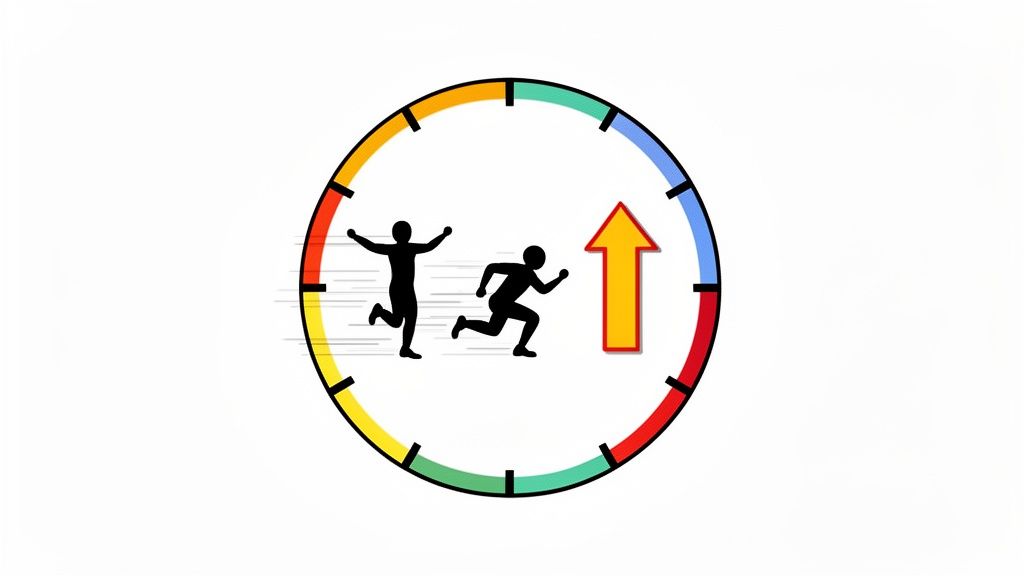
Intense physical activity is one of the most effective ways to generate a powerful energy boost without caffeine. High-Intensity Interval Training (HIIT) involves short, all-out bursts of exercise followed by brief recovery periods. This method triggers a rush of endorphins and increases brain-derived neurotrophic factor (BDNF), enhancing focus and elevating your mood for hours after your workout.
Unlike long, steady-state cardio, HIIT also improves your body’s insulin sensitivity, which helps stabilize blood sugar and reduce metabolically driven sugar cravings. Even shorter, 2-minute "micro-movement" breaks throughout the day can prevent the sluggishness that comes from being sedentary, keeping your energy levels consistently high.
How to Implement This Strategy
Integrating HIIT doesn't require a gym membership or a full hour. The goal is to elevate your heart rate significantly for short periods. Even a 10-20 minute session can make a huge difference.
- 10-Minute HIIT: Try 30 seconds of burpees followed by 30 seconds of rest. Repeat this cycle 10 times.
- Micro-Breaks: Set a timer to get up every hour and do 2 minutes of jumping jacks, bodyweight squats, or lunges.
- Fun Alternative: Put on your favorite high-energy music and dance for 15 minutes.
Here is a great example of a quick, effective HIIT workout you can do anywhere:
Actionable Tips for Steady Energy
To get the most out of your movement, be strategic about when and how you do it.
- Schedule It: Aim for three HIIT sessions per week to allow your body to adapt and build resilience. To consistently integrate physical activity into your week, a structured 5-day split workout routine can provide clear guidance and enhance your energy levels.
- Fuel Properly: Avoid HIIT on a completely empty stomach. A small, complex carb snack 30-60 minutes before can help. Follow your workout with a protein source to aid recovery.
- Start Small: If you're new to HIIT, begin with just 10 minutes and gradually increase the duration or intensity as you get stronger.
5. Strategic Snacking with Nutrient-Dense Foods
Snacking isn't the enemy of sustained energy; mindless snacking is. Strategic, planned snacking with nutrient-dense whole foods is a powerful tool to maintain stable blood sugar levels and prevent the energy-draining crashes that lead to desperate sugar cravings. The goal is to bridge the gap between meals with fuel that your body can use efficiently over several hours.
The key to an effective energy boost without caffeine is choosing snacks that combine protein, healthy fats, and fiber. This trifecta slows down digestion and the release of glucose into the bloodstream, preventing the sharp insulin spikes caused by sugary or refined carbohydrate snacks. This approach transforms snacking from a potential energy saboteur into a predictable source of stable fuel, keeping you focused and productive.
How to Implement This Strategy
Shift your mindset from "grabbing a quick bite" to "fueling for the next few hours." This means preparing balanced mini-meals in advance, so you have a healthy option ready before hunger strikes.
- Mid-Morning: Instead of a pastry, have an apple with a tablespoon of almond butter.
- Afternoon Slump: Swap a candy bar for a small handful of mixed nuts (almonds, walnuts) and seeds (pumpkin, chia).
- Pre-Workout: Replace a sugary energy drink with hummus and carrot sticks or a hard-boiled egg.
Actionable Tips for Steady Energy
To make strategic snacking a seamless part of your routine, focus on preparation and mindfulness. These steps will help you stay ahead of energy dips.
- Prep in Advance: Spend a few minutes each evening or weekend portioning out snacks into containers. Think celery sticks with tahini, cheese cubes with berries, or Greek yogurt.
- Balance Your Macros: Ensure every snack contains protein, healthy fat, and fiber. This combination is the ultimate formula for sustained energy release.
- Time It Right: Aim to eat your snack approximately 3-4 hours after your last meal to keep your blood sugar from dropping too low.
- Track Your Triggers: Pay attention to when and why you snack. Using a tool like the StopSugar app can help you identify patterns and find approved, nutrient-dense alternatives when cravings hit.
6. Sleep Optimization and Circadian Rhythm Alignment
The most powerful and fundamental strategy for a natural energy boost without caffeine isn't a food or an activity; it's sleep. Optimizing your sleep is the ultimate intervention for sustained daytime vitality. When you are sleep-deprived, your body overproduces ghrelin (the hunger hormone) and underproduces leptin (the satiety hormone), dramatically increasing cravings for quick-energy sources like sugar.
Proper sleep restores your prefrontal cortex, the part of your brain responsible for impulse control and sound judgment. Getting 7-9 hours of quality, consistent sleep allows your body to regulate these hormones effectively. This alignment with your natural circadian rhythm provides a stable energy foundation that no stimulant can replicate, making it easier to manage cravings and maintain focus throughout the day.
How to Implement This Strategy
Creating a consistent sleep routine is the key to unlocking this natural energy source. The goal is to signal to your body that it's time to wind down, making sleep deeper and more restorative.
- Set a Strict Schedule: Go to bed at 10 PM and wake up at 6 AM every day, including weekends. This consistency anchors your body's internal clock.
- Create a Sleep Sanctuary: Make your bedroom completely dark, quiet, and cool (ideally 60-67°F or 15-19°C).
- Institute a Digital Curfew: Power down all screens at least one hour before your scheduled bedtime. The blue light emitted from phones and computers disrupts melatonin production.
Actionable Tips for Steady Energy
To enhance your sleep quality and maximize your daytime energy, integrate these practical habits into your evening routine:
- Block Blue Light: If you must use screens in the evening, wear blue light-blocking glasses after sunset to protect your melatonin levels.
- Mind Your Meals: Avoid eating large meals or drinking significant amounts of liquid within 2-3 hours of bedtime to prevent digestive disruption and nighttime awakenings.
- Track and Correlate: Use a sleep tracking device or app to monitor your sleep quality. You can also use the StopSugar app’s check-in feature to see the direct correlation between a poor night's sleep and an increase in next-day sugar cravings.
- Wind Down Intentionally: Incorporate a relaxing pre-sleep ritual, such as gentle stretching, meditation, or reading a physical book, to calm your nervous system.
For a deeper understanding of how sleep impacts every aspect of your health, explore the work of sleep scientist Dr. Matthew Walker, particularly his book Why We Sleep.
7. Stress Management and Cortisol Regulation Through Meditation
One of the most overlooked drains on your energy is chronic stress. When you're constantly stressed, your body produces excess cortisol, a hormone that can disrupt sleep, increase sugar cravings, and lead to energy crashes. Regulating your cortisol levels is a powerful, science-backed way to achieve a natural energy boost without caffeine, addressing the root cause of fatigue rather than just masking the symptoms.
Meditation and mindfulness practices are proven methods to lower cortisol and calm the nervous system. By engaging in these techniques, you shift your body out of its "fight or flight" response and into a "rest and digest" state. This not only conserves energy but also improves your mental clarity and impulse control, making it easier to resist the quick-fix sugar rush that ultimately leads to an energy slump.
How to Implement This Strategy
Integrating meditation into your daily routine doesn't require a huge time commitment. Consistency is more important than duration, and starting small can lead to significant benefits in your energy and overall well-being.
- Morning Routine: Start your day with a 10-minute body scan meditation to set a calm, focused tone before the day's demands begin.
- Afternoon Slump: Instead of reaching for a sugary snack, try a 5-minute guided breathwork session, like the 4-7-8 technique, to reset your mind.
- Before Bed: Use a loving-kindness meditation to release the day's stress, promoting deeper, more restorative sleep that directly impacts your next-day energy levels.
Actionable Tips for Steady Energy
To effectively use meditation for sustained energy, focus on integrating it into the moments you need it most.
- Start with Guidance: Use apps like Headspace, Calm, or Insight Timer. Their guided sessions make it easy for beginners to start and stay consistent.
- Practice During Cravings: When you feel a sugar craving hit, use it as a trigger to practice a short, mindful breathing exercise. This helps build awareness around emotional eating patterns.
- Track Your Progress: Use the mood tracker in the StopSugar app to log how you feel before and after meditation. Observing the correlation between your practice and improved mood can be a powerful motivator.
To better understand the connection between stress and your body, explore the science behind how cortisol impacts your health and energy.
8. Strategic Meal Timing and Intermittent Fasting Protocols
How you manage when you eat is just as important as what you eat for achieving a natural energy boost without caffeine. Strategic meal timing, often practiced through intermittent fasting (IF), gives your digestive system crucial rest periods. This improves insulin sensitivity and allows hunger hormones like ghrelin to reset, which can dramatically reduce cravings and stabilize your energy levels.
Unlike restrictive calorie-counting diets, the focus of IF is on creating a specific eating window. By condensing your meals into an 8-10 hour period, your body has more time to repair cells and regulate metabolic functions. The key to success is aligning your eating window with your natural circadian rhythm, as studies show that eating earlier in the day yields better metabolic results and more sustained energy.
How to Implement This Strategy
Starting with intermittent fasting doesn't have to be extreme. The goal is to gradually extend your overnight fast to a length that feels sustainable and beneficial for your body.
- Start Simple (12:12): Begin by simply ensuring a 12-hour gap between your last meal of the day and your first meal the next morning (e.g., finish dinner by 7 PM, eat breakfast at 7 AM).
- Progress to 14:10: Once comfortable, shorten your eating window to 10 hours. A common schedule is eating between 9 AM and 7 PM.
- Advance to 16:8: This popular protocol involves an 8-hour eating window, such as from 12 PM to 8 PM, followed by a 16-hour fast.
Actionable Tips for Steady Energy
To ensure intermittent fasting boosts your energy instead of depleting it, implement these practical steps:
- Prioritize an Early Window: Aim to finish your last meal by early evening (e.g., 9 AM to 5 PM). This alignment with your body's internal clock often provides the most significant energy and metabolic benefits.
- Break Your Fast Wisely: Start your eating window with a meal rich in protein and healthy fats, not simple carbohydrates. This prevents a blood sugar spike and sets the tone for stable energy.
- Stay Hydrated: Drink plenty of water, herbal tea, or black coffee during your fasting period to stay hydrated and manage hunger.
- Listen to Your Body: Avoid practicing intermittent fasting during periods of high stress, as the added strain can elevate cortisol and negate the benefits.
9. Chromium and Magnesium Supplementation for Metabolic Optimization
Sometimes, persistent fatigue and cravings aren't just about habits; they're rooted in biochemistry. Specific micronutrient deficiencies can directly impair your body's ability to manage energy, leading to a cycle of sugar cravings and energy crashes. Two key minerals, chromium and magnesium, play a pivotal role in optimizing your metabolism for a powerful, natural energy boost without caffeine.
Chromium enhances the action of insulin, helping your cells efficiently use glucose for energy, which is especially important if your diet includes refined carbohydrates. Magnesium is a true powerhouse, involved in over 300 enzymatic reactions, including the creation of ATP, the fundamental energy currency of your cells. Addressing deficiencies in these minerals can tackle the biochemical root causes of fatigue, stabilizing your energy from the inside out.
How to Implement This Strategy
Strategic supplementation can offer significant benefits, but it's crucial to start with informed choices. The goal is to support, not replace, a healthy diet.
- Magnesium: Start with magnesium glycinate (200-400mg daily), which is highly absorbable and gentle on the stomach. For cognitive benefits, consider magnesium threonate.
- Chromium: Take chromium picolinate (200mcg) with your largest meal of the day, particularly one that contains carbohydrates, to maximize its effect on blood sugar management.
Actionable Tips for Steady Energy
To effectively use these supplements and gain a reliable energy boost without caffeine, follow these practical steps:
- Prioritize Food First: Before supplementing, increase your intake of magnesium-rich foods like pumpkin seeds, almonds, and dark leafy greens, and chromium sources like broccoli and green beans.
- Timing is Key: Take magnesium in the evening to support restful sleep and muscle relaxation, which are crucial for next-day energy. Take chromium with a meal to aid glucose metabolism.
- Track Your Progress: Use a tool like the StopSugar app to log your supplement intake and note any changes in your energy levels and sugar cravings. This helps you see a direct correlation and stay motivated.
- Consult a Professional: Before starting any new supplement regimen, especially if you are on medication or have underlying health conditions, consult with your healthcare provider. They may recommend getting your baseline mineral levels tested.
10. Social Accountability and Community Support Systems
Tapping into social connection is a powerful, yet often overlooked, strategy for a sustainable energy boost without caffeine. Humans are inherently social, and our commitment to a goal skyrockets when we share it with others. Research shows that having an accountability partner can increase your chances of success by up to 95%, leveraging psychological drivers like social proof and the desire to maintain a positive identity within a group.
When you make your health journey a shared experience, you're no longer relying solely on your own willpower. This external support system provides encouragement during slumps and celebrates your victories, creating a positive feedback loop that reinforces healthy habits. By committing to a community, you build momentum that transforms a difficult personal challenge into an inspiring collective effort, making it easier to stick with energy-stabilizing behaviors like avoiding sugar.
How to Implement This Strategy
Integrating social support is about finding the right people and platforms that align with your goals. The key is to make your commitment public in a supportive environment, turning a private struggle into a shared journey.
- Find a Partner: Ask a friend, family member, or coworker with similar health goals to be your accountability partner. Agree to a daily or weekly check-in via text or a quick call.
- Join a Digital Community: Engage with established online groups. Subreddits like r/nosugar or dedicated Facebook groups offer a space to share challenges and successes with thousands of others.
- Utilize App Features: Leverage built-in community functions in apps. The StopSugar app, for example, uses challenges, badges, and achievements to create a sense of shared progress and friendly competition.
Actionable Tips for Steady Energy
To effectively use social support to maintain high energy levels, be proactive and consistent in your engagement.
- Be Specific: Instead of saying "I want to eat healthier," tell your partner, "I am not eating any processed sugar today." This makes your goal clear and measurable.
- Schedule Check-ins: Don't leave your interactions to chance. Set a specific time for your check-ins, such as 8 PM every evening, to create a reliable support routine.
- Share Both Wins and Losses: Be transparent about your struggles. Sharing when you feel a craving coming on allows your support system to offer encouragement when you need it most.
10-Point Comparison of Caffeine-Free Energy Strategies
| Item | 🔄 Implementation Complexity | ⚡ Resource & Time | ⭐ Expected Effectiveness | 📊 Expected Outcomes | 💡 Ideal Use Cases / Tips |
|---|---|---|---|---|---|
| Balanced Blood Sugar Management Through Complex Carbohydrates | Moderate — requires meal planning and habit change | Low–Medium resources; results in 2–3 weeks; sustained energy 3–4h | ⭐⭐⭐⭐ — strong for reducing physiological cravings | 📊 Fewer energy crashes; improved focus; reduced insulin spikes | 💡 Pair with protein/fat; aim 25–30g fiber; replace one refined carb daily |
| Strategic Protein Consumption for Satiety and Stable Energy | Moderate — meal composition and sourcing needed | Medium cost for quality protein; immediate satiety effects | ⭐⭐⭐⭐ — very effective for appetite suppression | 📊 Reduced snacking; 4–5h satiety; supports muscle and recovery | 💡 25–30g protein per meal; include protein in snacks; batch cook |
| Strategic Hydration and Electrolyte Balance | Low — simple habit formation | Very low cost; immediate effects (15–30 mins) | ⭐⭐⭐ — effective for false hunger and clarity | 📊 Reduced false hunger; improved cognition; better performance | 💡 16oz on waking; use electrolytes on high-activity days; hourly reminders |
| HIIT and Micro-Movement Breaks | High — intensity programming and recovery planning | Low equipment; short time (10–20 min sessions) but needs recovery | ⭐⭐⭐⭐ — high for acute energy + metabolic benefits | 📊 3–5h energy boost; improved insulin sensitivity; mood lift | 💡 Schedule 3×/week; use movement breaks when cravings hit; start 10 min |
| Strategic Snacking with Nutrient-Dense Foods | Low–Moderate — requires prep and portioning | Low–Medium cost; portable; ongoing habit | ⭐⭐⭐ — effective when planned and portioned | 📊 Steadier blood sugar; fewer poor meal choices; sustained energy | 💡 Prep 150–200 kcal snacks with protein+fat+fiber; keep visible |
| Sleep Optimization and Circadian Rhythm Alignment | High — behavioral changes and environment adjustment | Low cost but time to adapt (2–4 weeks); may need devices | ⭐⭐⭐⭐⭐ — foundational, broadest impact on cravings/energy | 📊 Better appetite regulation; improved decision-making; amplifies other strategies | 💡 Consistent schedule; no screens 1h before bed; track sleep with app |
| Stress Management and Cortisol Regulation Through Meditation | Moderate — daily practice and consistency required | Minimal cost; neurobiological changes in 2–4 weeks | ⭐⭐⭐⭐ — strong for emotional eating and impulse control | 📊 Lower cortisol; reduced emotional eating; improved sleep and HRV | 💡 10–20 min daily guided practice; use mood tracker and panic button |
| Strategic Meal Timing and Intermittent Fasting Protocols | Moderate — scheduling and social planning | Low cost; adaptation 2–4 weeks; aligns with circadian timing | ⭐⭐⭐ — effective for reducing eating occasions and cravings | 📊 Improved insulin sensitivity; fewer decision points; metabolic flexibility | 💡 Start 12:12 → 16:8; hydrate during fast; break fast with protein+fat |
| Chromium and Magnesium Supplementation for Metabolic Optimization | Low–Moderate — requires testing and quality sourcing | Low cost; effects in 1–2 weeks; monitoring advised | ⭐⭐⭐ — supportive biochemical intervention (modest vs lifestyle) | 📊 Improved glucose handling; better energy and sleep (Mg) | 💡 Test levels if possible; Mg glycinate 200–400mg evening; take Cr with meals |
| Social Accountability and Community Support Systems | Moderate — joining/maintaining engagement | Low cost; time commitment for participation | ⭐⭐⭐⭐ — very effective for adherence and motivation | 📊 Higher adherence (large effect); sustained behavior change | 💡 Use app challenges/badges; set measurable public commitments; schedule check-ins |
Putting It All Together: Your Personalized Energy Blueprint
We’ve journeyed through a comprehensive toolkit of strategies designed to deliver a powerful energy boost without caffeine. The core message is clear: true, sustainable vitality doesn't come from a quick, temporary fix. It's the result of a holistic system where nutrition, movement, rest, and mindset work in harmony. The quick jolt from a cup of coffee or an energy drink is a loan taken against your future energy reserves, often leaving you with a higher deficit later. The methods we've discussed are about building genuine energy wealth.
Instead of masking fatigue, you've learned how to address its root causes. By managing blood sugar with complex carbs and protein, you sidestep the dramatic peaks and valleys that leave you drained. By embracing strategic movement and hydration, you oxygenate your cells and prime your body for performance. By aligning with your natural circadian rhythm and managing stress, you allow your body to perform its essential repair and recovery functions, setting the stage for a vibrant next day.
From Information to Lasting Transformation
Knowing these strategies is one thing; integrating them into your daily life is another. The path to lasting energy isn't about a complete, overnight overhaul. That approach is a recipe for overwhelm and burnout. The key is to build a personalized blueprint, starting with small, manageable changes that feel right for you.
Think of yourself as a scientist and your body as the laboratory. The goal is to experiment, observe, and adjust.
- Start Small, Win Big: Don't try to implement all ten strategies at once. Choose just one or two that seem most accessible. Maybe it's adding a glass of electrolyte-rich water to your morning routine or swapping your usual 3 PM sweet treat for a handful of almonds and a piece of fruit.
- Track and Observe: This is where the real learning happens. How do you feel 30 minutes after your new snack? Do you notice a difference in your focus after a five-minute micro-movement break? Using a tool like the StopSugar app's check-in feature can provide invaluable data, helping you connect your actions to your energy levels.
- Build Momentum: Each small win builds confidence and makes the next step easier. Once your new snack becomes a habit, you can turn your attention to improving your sleep schedule or experimenting with a 10-minute morning meditation.
Creating Your Daily Energy Rituals
The most effective way to achieve a consistent energy boost without caffeine is to transform these actions into automatic rituals. Here’s a simple framework to get you started:
1. Morning Ignition (Choose One):
- Upon waking, drink a full glass of water with a pinch of sea salt and a squeeze of lemon.
- Perform five minutes of dynamic stretching or a few sun salutations to wake up your body.
- Eat a protein-forward breakfast instead of a carb-heavy one.
2. Afternoon Slump Prevention (Choose One):
- Set a timer for a two-minute "deskercise" routine (neck rolls, shoulder shrugs, torso twists).
- Have a pre-planned, nutrient-dense snack ready, like Greek yogurt with berries or a hard-boiled egg.
- Step outside for five minutes of fresh air and sunlight.
3. Evening Wind-Down (Choose One):
- Set a digital curfew, putting away all screens at least 60 minutes before bed.
- Engage in a calming activity like reading a physical book, light stretching, or journaling.
- Take a magnesium supplement to support muscle relaxation and sleep quality.
Your Energy Is Your Own
Ultimately, reclaiming your energy is about reclaiming control. It's a powerful declaration that you no longer need an external substance to feel alert, focused, and alive. Each positive choice you make, from the food you eat to the way you manage stress, contributes to a resilient internal energy system. The fatigue, brain fog, and mood swings that you may have accepted as normal can become a thing of the past.
This journey empowers you to become the source of your own vitality. By consistently applying these principles and leveraging supportive tools, you are not just finding an alternative to caffeine; you are building a foundation for lifelong health, clarity, and boundless energy. The power to feel fantastic is already within you, waiting to be unlocked.