Why am i always hungry: Simple steps to reclaim your appetite
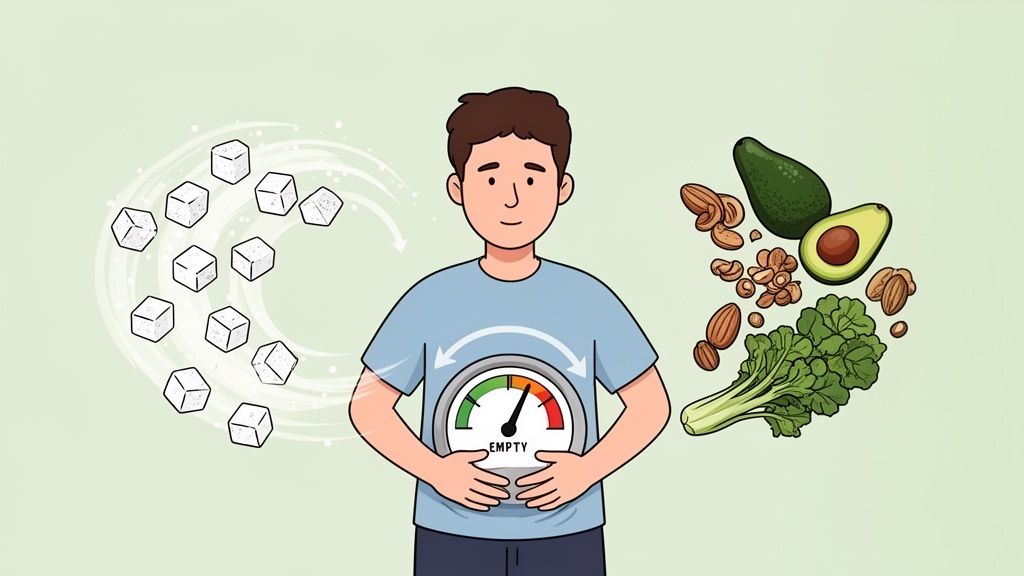
If you find yourself constantly asking, "why am I always hungry?" know that the answer has very little to do with willpower. That nagging, persistent hunger is usually a complex signal from your body, tangled up in a cycle of hormones, lifestyle habits, and—you guessed it—the food you eat. It all adds up to a state of constant craving.
The Real Reason You Are Always Hungry
It’s an incredibly frustrating feeling. You eat a full meal, yet an hour later, your stomach is rumbling again. This isn’t a personal failure; it’s a biological miscommunication.
Think of it like a faulty fuel gauge in your car. Even after you’ve filled the tank, the needle stays on 'E'. Your body is doing something similar, sending hunger signals when it doesn't actually need more fuel. This guide will help you understand why that gauge might be broken and how you can start to fix it.
This faulty signaling is often part of a "hunger feedback loop"—a vicious cycle where your daily habits and food choices throw your appetite-controlling hormones completely out of whack. Three key areas are almost always involved:
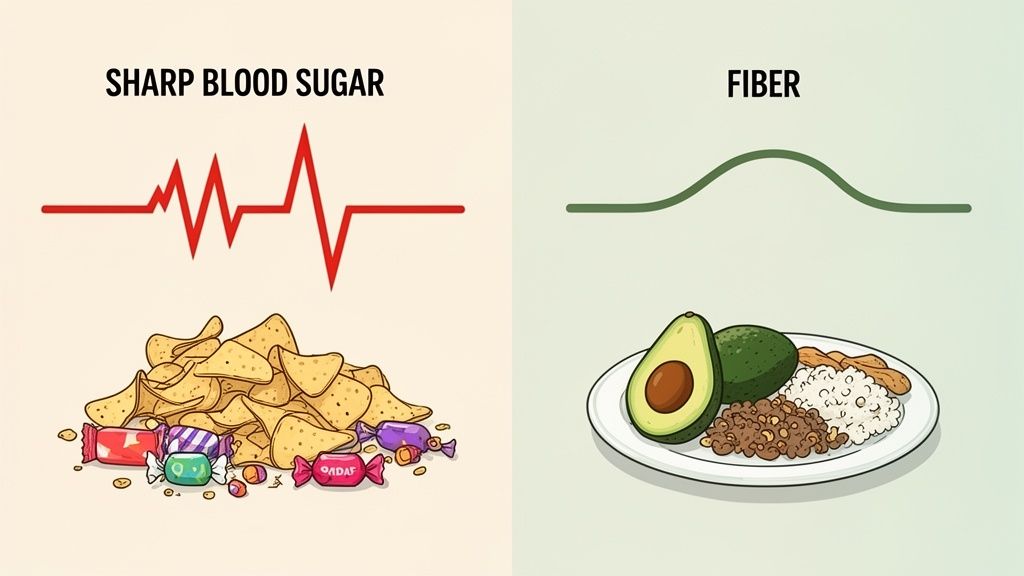
- Your Food: High-sugar and heavily processed foods send your energy on a rollercoaster, causing sharp spikes and even sharper crashes that leave you hungrier than when you started.
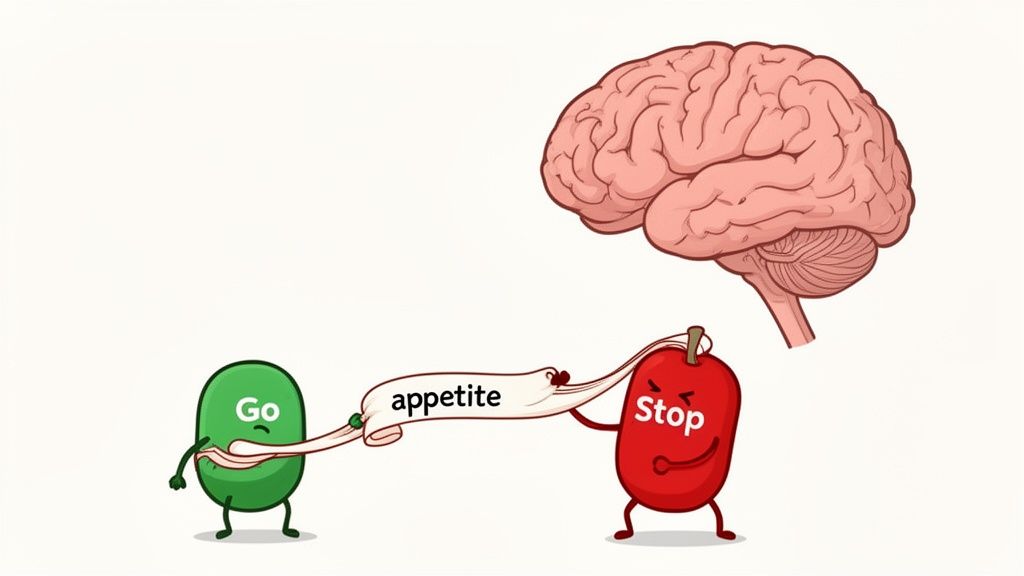
- Your Hormones: Key players like ghrelin (the "go eat" hormone) and leptin (the "I'm full" hormone) get out of sync, sending all the wrong messages to your brain.
- Your Lifestyle: Never underestimate the impact of poor sleep and chronic stress. Both are notorious for disrupting your hunger hormones and driving cravings.
This diagram shows just how interconnected these factors really are.
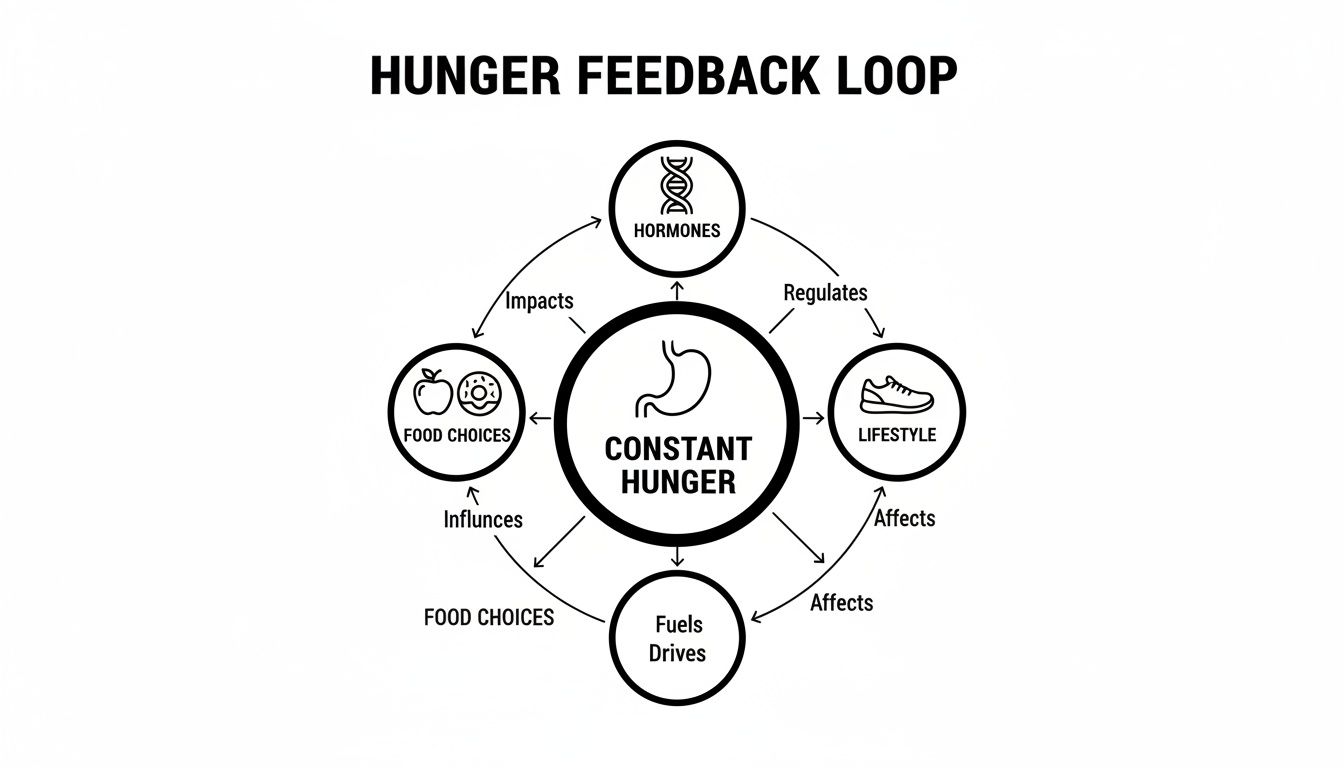
As you can see, constant hunger isn't just one thing. It's the result of what you eat, how you live, and your body's hormonal response all feeding into each other.
To give you a clearer picture, here’s a quick rundown of the most common culprits behind that never-ending hunger.
Common Reasons You Are Always Hungry at a Glance
| Factor | How It Drives Hunger |
|---|---|
| High-Sugar & Processed Foods | Causes blood sugar to spike and crash, triggering intense cravings for more quick energy. |
| Hormonal Imbalances | Ghrelin ("go") and leptin ("stop") signals get mixed up, telling your brain you're hungry when you aren't. |
| Not Enough Protein or Fiber | These nutrients are key for satiety. Without them, meals don't keep you full for very long. |
| Chronic Stress | Cortisol, the stress hormone, increases appetite and drives cravings for "comfort" foods. |
| Poor Sleep | Lack of sleep raises ghrelin and lowers leptin, a perfect storm for feeling ravenous the next day. |
| Dehydration | Thirst signals are often mistaken for hunger. Your body might just be asking for water. |
This table makes it easy to see how different parts of your life can directly impact how hungry you feel. Now, let's zoom in on one of the biggest players.
The Role of Sugar in the Hunger Cycle
One of the biggest drivers of this entire cycle is, without a doubt, sugar.
The average American consumes about 17 teaspoons of added sugar per day, which is a staggering amount—nearly double the recommended limit. When you eat that much sugar, it triggers a massive blood sugar spike. Your body scrambles to deal with it, and the resulting crash makes your brain think you're in an energy crisis. The immediate "solution"? More sugar. And so the cycle continues.
This is exactly why so many people feel hungry again shortly after eating. It's a confusing and frustrating signal that something is seriously off-balance. For a deeper look at this phenomenon, check out our guide on why you might feel hungry after eating.
Understanding this loop is the first and most powerful step you can take toward finally getting back in control of your appetite.
Meet Your Hunger Hormones: Ghrelin and Leptin
If you want to get to the bottom of constant hunger, you have to look past the stomach. Your appetite isn't a simple matter of willpower; it’s being directed by a sophisticated messaging system run by hormones. Two of the biggest players in this operation are ghrelin and leptin.
Think of them as the managers of your body’s energy department. They’re supposed to work together in a delicate balance, making sure you have just the right amount of fuel.
Ghrelin: The "Go" Hormone
You can thank ghrelin for that rumbling stomach. It's famously known as the "hunger hormone" because its main job is to send a loud, clear signal to your brain: it’s time to eat.
Ghrelin is mostly made in your stomach. When it’s empty, ghrelin levels climb and travel up to your brain’s hypothalamus, essentially shouting, "Hey, the fuel tank is low—find some food!" That’s the feeling we recognize as hunger. After you eat, ghrelin levels are supposed to drop back down, turning off the alarm.
Leptin: The "Stop" Hormone
Working on the other side is leptin, the "satiety hormone." Leptin is produced by your fat cells, and its job is to tell your brain when you have enough energy stored away. The more fat stores you have, the more leptin you release, sending a message that says, "We're good on energy, you can put the fork down now."
When things are running smoothly, these two have a perfect rhythm:
- Ghrelin rises before you eat, making you feel hungry.
- Leptin rises after you eat, making you feel full.
This elegant push-and-pull is designed to keep your energy perfectly balanced. But what happens when that system breaks?
When the Signals Get Crossed
This is where things get tricky. Our modern diets, especially those loaded with sugar and processed foods, can completely disrupt this finely tuned communication system. It's one of the biggest reasons people feel hungry all the time, even right after a meal.
One of the most common problems is something called leptin resistance.
Leptin resistance is what happens when your brain stops listening to leptin's "I'm full" signal. Imagine someone keeps trying to call you, but you've put your phone on silent. The message is being sent, but it’s just not getting through.
Because the message isn't received, your brain thinks you're starving, even when you have plenty of energy stored. It keeps the ghrelin signal cranked up high, creating a vicious cycle of hunger and overeating. You eat and eat, but your brain never gets the memo that you’re satisfied. This hormonal mix-up is often the hidden culprit behind that nagging question: "Why am I still hungry?"
How Sugar and Processed Foods Hijack Your Appetite
Have you ever wondered why you can demolish a family-sized bag of chips in one sitting, but a single avocado leaves you feeling full for hours? It’s not a lack of willpower. It’s chemistry. Certain foods are specifically designed to mess with your brain and hunger signals.
When you eat a sugary treat, a rapid-fire sequence of events kicks off in your body. The sugar rushes into your bloodstream, causing your blood sugar to skyrocket. In response, your pancreas works overtime, releasing a flood of insulin to get that sugar out of your blood and into your cells.
But this process is a little too effective. The insulin clears the sugar so quickly that your blood sugar levels plummet, leading to the dreaded "sugar crash." This sudden energy dip sends a panic signal to your brain: "We need energy, now!" Your brain's go-to solution? More fast-acting sugar. And just like that, you're caught in a vicious cycle.
The Blood Sugar Rollercoaster in Action
Imagine your energy is a calm lake after eating a balanced meal of protein, fat, and fiber. The energy release is slow and steady, keeping the water perfectly still for hours.
Now, think about what happens when you eat a sugary donut.
- The Spike: That donut is like dropping a giant boulder into the lake. It creates a huge wave—a massive surge in blood sugar that gives you a brief, intense energy high.
- The Crash: But that wave crashes just as quickly, leaving the water level even lower than before. This is the energy crash, and it’s what triggers those powerful, almost desperate cravings.
This cycle is precisely why you find yourself starving an hour after eating a sweet "treat." Your body isn't asking for real nutrition; it's just trying to get off the rollercoaster.
Hyper-Palatable Foods Are Rigged Against You
It's not just about blood sugar. Many of the foods lining our supermarket shelves are scientifically engineered to be completely irresistible. These are known as "hyper-palatable" foods.
Food scientists have perfected the art of combining fat, sugar, and salt in precise ratios to hit a neurological "bliss point." This trifecta is so rewarding to your brain that it completely drowns out your body's natural fullness cues. You keep eating not because you're hungry, but because the reward centers in your brain are lighting up like a pinball machine.
These foods essentially hijack your body's appetite controls. They are designed to make you overeat by silencing the "I'm full" signals and cranking up the pleasure response.
This is why "just one" chip or cookie feels impossible. These products are a world away from their natural state. To dig deeper into how they're made and what they do to your health, it helps to understand what ultra-processed foods are and how they affect your body.
The first step to breaking free is realizing your constant hunger isn't always about an empty stomach. More often than not, it's a biochemical reaction to the foods you're eating. By swapping them for whole, unprocessed options, you can finally step off the rollercoaster and give your body the steady, calm energy it’s been asking for.
Practical Steps to Regain Control of Your Hunger
Understanding the science behind your hunger is a huge first step. But knowing why you're hungry is one thing; knowing what to do about it is another. Now, let’s get into the practical, day-to-day actions you can take to finally quiet those hunger signals and feel in charge again.
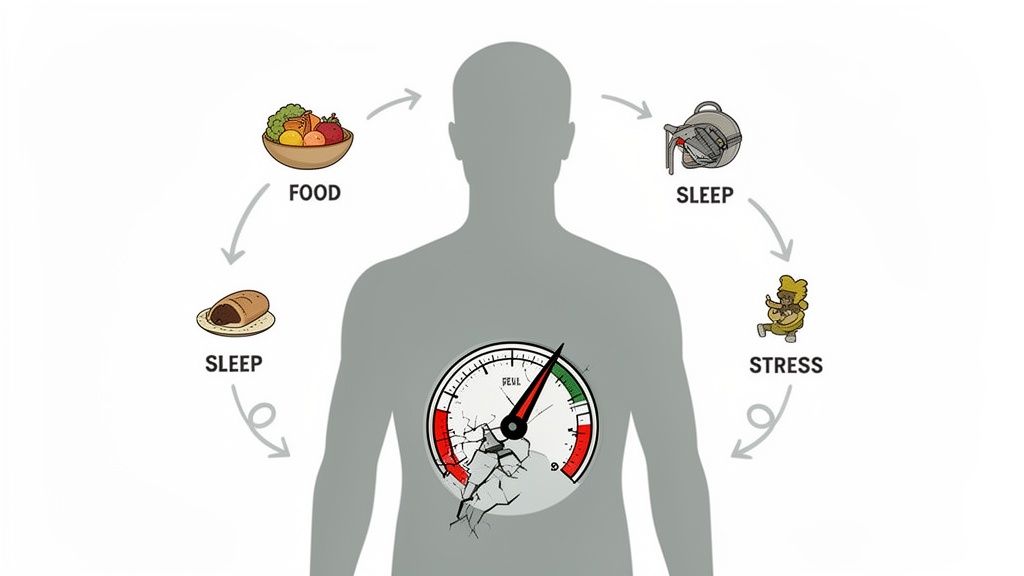
The goal isn't to fight your body but to work with it. We're aiming to build a lifestyle that naturally supports hormonal balance instead of constantly throwing it off kilter. To do that, we’ll focus on three core areas that have the biggest impact on your appetite: diet, sleep, and stress. Making small, consistent tweaks here is the secret to fixing your body's faulty fuel gauge for good.
Master Your Meals With the Hunger-Fighting Trio
The most powerful way to manage hunger is right on the end of your fork. Forget about restrictive diets for a moment and shift your focus to building meals that are designed to keep you full and satisfied. The key is to include the "hunger-fighting trio"—protein, fiber, and healthy fats—every time you eat.
These three work as a team to slow down digestion and keep your blood sugar from going on a rollercoaster ride. That stability is what prevents the intense cravings that hit after a crash. In fact, one small study found that women who had eggs for breakfast ended up eating less for the next 36 hours compared to when they ate bagels.
Building a balanced meal is actually pretty straightforward. Planning ahead is a game-changer; prepping your food and storing it in sustainable, plastic-free lunch containers makes it easy to stay on track, even when life gets hectic.
Build a Hunger-Fighting Meal Plan
Here’s a simple guide to putting together a meal that will keep you feeling full for hours.
| Meal Component | Why It Works | Examples |
|---|---|---|
| Protein | It's the most satisfying nutrient and helps lower ghrelin, the hormone that tells you to eat. | Chicken breast, fish, eggs, Greek yogurt, lentils, tofu |
| Fiber | Slows everything down and adds physical bulk to your meals, making you feel full. | Oats, quinoa, broccoli, apples, beans, chia seeds |
| Healthy Fats | Helps trigger the release of hormones that send fullness signals straight to your brain. | Avocado, nuts, seeds, olive oil |
Following this simple framework turns mealtime into a tool for controlling hunger, not just a response to it.
Getting enough protein is especially important for keeping your appetite in check. If you're not sure how much you need, figuring out your ideal protein intake for weight loss can give you a clear target to aim for.
Prioritize Sleep to Reset Your Hunger Hormones
Never, ever underestimate the power of a good night's sleep. When you’re sleeping, your body is doing critical maintenance work on your hormonal systems—including the ones that manage your appetite.
Even one night of bad sleep can send your hunger hormones into a tailspin. Research has shown that sleep deprivation makes ghrelin (the "go eat!" hormone) skyrocket while leptin (the "I'm full" hormone) plummets. It's a recipe for feeling ravenously hungry the next day, no matter what you eat.
Think of sleep as a nightly reset button for your appetite. Pushing it consistently helps ensure your hunger and fullness signals are accurate and reliable.
Try to get 7-9 hours of quality sleep each night. You’d be surprised how much small habits can help, like setting a consistent bedtime, putting screens away an hour before bed, and making sure your room is cool and dark.
Manage Stress to Curb Cravings
Chronic stress is another huge reason you might be asking, "Why am I always hungry?" When you're constantly stressed out, your body pumps out cortisol. This hormone doesn't just put you in fight-or-flight mode; it also cranks up your appetite.
Even worse, cortisol makes you crave high-sugar, high-fat comfort foods specifically. Your brain is desperately looking for a quick dopamine hit to soothe itself, which explains why you grab a cookie instead of a carrot when you're overwhelmed.
Finding healthy ways to handle stress is a non-negotiable part of getting hunger under control.
- Mindful Movement: You don't need a grueling workout. Gentle activities like a walk, yoga, or a few simple stretches can lower cortisol.
- Breathing Exercises: Taking just five minutes for slow, deep breaths can instantly calm your nervous system.
- Time in Nature: Stepping outside for a bit has been proven to reduce stress and boost your mood.
By actively working on these three pillars, you're not just putting a band-aid on your hunger. You're building a solid foundation for your overall health and well-being.
When That Nagging Hunger is Something More
While things like diet, sleep, and stress are usually the main reasons we feel constantly hungry, sometimes that non-stop feeling of an empty stomach is your body’s check-engine light. It might be trying to tell you there’s an underlying medical issue that needs a professional look.
This isn’t about causing alarm. It’s about knowing when it's time to stop guessing and talk to a doctor. Answering the question "why am I always hungry?" sometimes means looking beyond our daily habits.
Think of it this way: certain medical conditions can mess with your body's appetite control center. It’s like a faulty switch that’s stuck in the “hungry” position, no matter how much you eat.
When It's Time to See a Doctor
If that relentless hunger comes with other weird symptoms you can’t explain, it's a smart move to schedule a check-up. Some health issues can completely throw your metabolism and hormones out of whack, creating an appetite that lifestyle tweaks alone just can't satisfy.
Take insulin resistance, for example. This is a common precursor to type 2 diabetes where your cells can't properly absorb glucose from your blood for energy. Even though your blood is full of sugar, your cells are starving, so your brain just keeps sending out hunger signals.
Similarly, an overactive thyroid (hyperthyroidism) cranks your metabolism into overdrive. You burn through calories so fast that you feel ravenous all the time, just trying to keep up.
Pay attention to your body’s full story. Persistent hunger is just one chapter. When combined with other symptoms, it provides a clearer picture that can help a doctor identify the root cause.
It’s a good idea to seek medical advice if your hunger shows up alongside any of these red flags:
- Losing weight without trying, even though you’re eating more
- Intense thirst and having to urinate all the time
- Feeling shaky, sweaty, or like your heart is racing
- Constant, bone-deep fatigue or weakness
- Big shifts in your mood, like sudden anxiety or irritability
Having a conversation with a healthcare professional can give you peace of mind and get you on the right track.
Your Questions About Hunger Answered
It’s completely normal to have a few questions as you start to tune into your body’s signals. When you change how you eat, your body has to adjust, and that can feel a little strange at first. Let's tackle some of the most common things people wonder about.
Why Do I Feel Hungrier When I Start Eating Healthy?
This is a classic one, and you're not alone if you've felt it. When you swap out processed foods for whole foods, your body has to learn a new way of getting energy. If it was used to the quick, easy hit from sugar, it might send out more hunger signals as your hormones recalibrate.
You might also be unintentionally eating too few calories. The trick isn't to starve yourself, but to build smarter meals packed with protein, fiber, and healthy fats. This combo keeps you feeling satisfied while your body gets used to its new, much better, fuel source.
Can Dehydration Make Me Feel Hungry?
Yes, absolutely. The signals for hunger and thirst are handled by the same part of your brain—the hypothalamus—and it can easily get its wires crossed.
Next time you feel peckish, try this simple experiment: drink a big glass of water and wait 15 minutes. You might be shocked to discover your "hunger" was just your body crying out for water. It’s one of the easiest ways to figure out what you truly need.
How Long Does It Take to Stop Craving Sugar?
Everyone is a bit different, but most people find their intense sugar cravings start to fade after about one to two weeks of sticking to it.
The first few days are usually the hardest while your brain chemistry adjusts. But if you can push through, your taste buds will reset, your hormone signals will balance out, and those once-deafening cravings will become a whole lot quieter.